
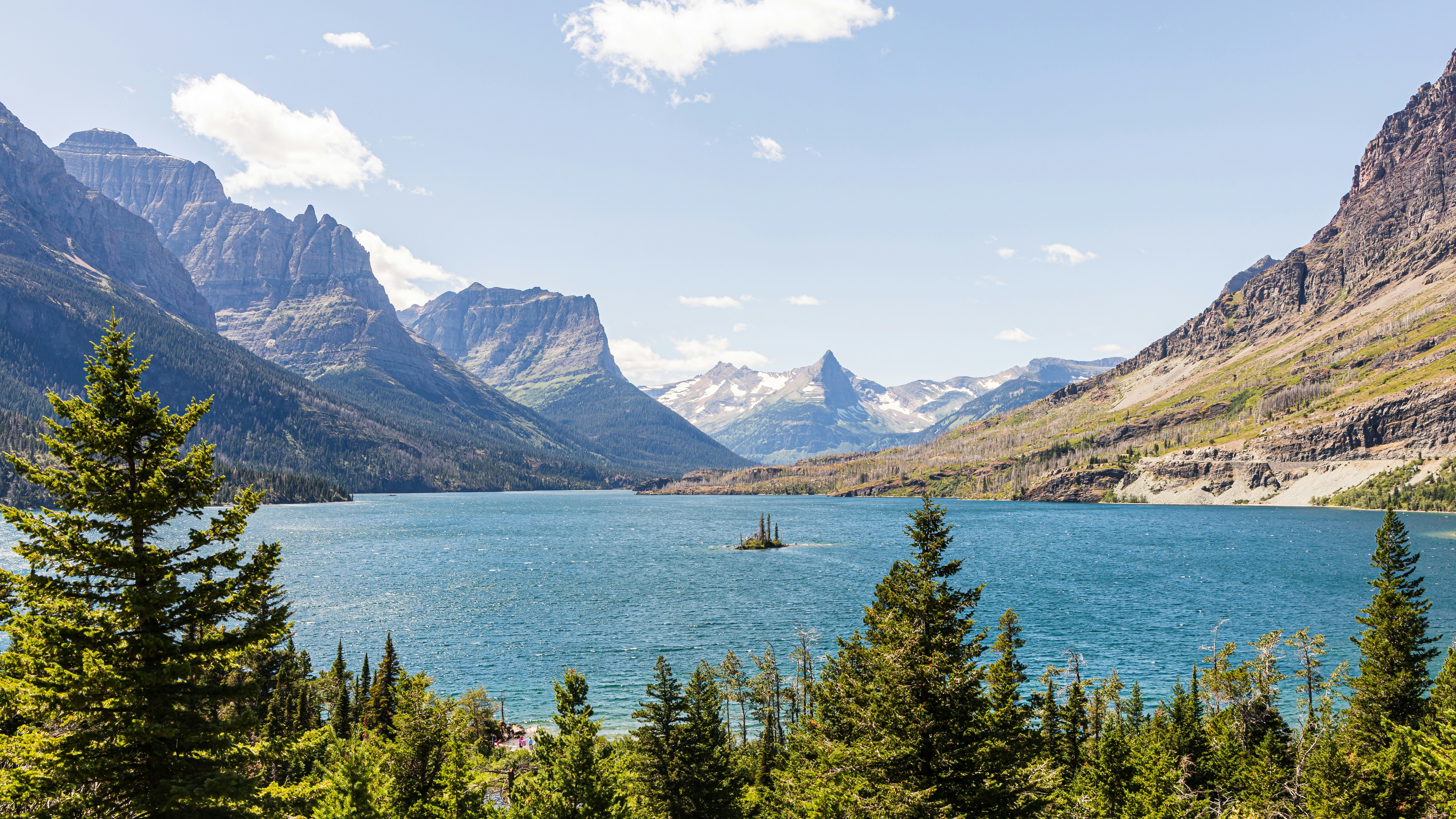
Winter stopped in March one year here. The next year it hung on until the middle of June. Same valley, two years apart, and there was no way to know in advance which one you were going to get.
That's the part of Montana I don't think people plan for. You can research this place for six months and still have no idea what your first year will look like. There's also a stretch in most summers where the mountains disappear on you for a week or two. Then there are summers when that doesn't happen at all.
The last item on this list has nothing to do with weather or money. I think it decides whether somebody is still here in five years.
Rather listen than read? I walk through all five on camera: 5 Things to Know Before Moving to Montana.
The short version
The cold stops being the problem within a couple of weeks. Length is what catches people, since snow in October and snow in the middle of May are both normal.
Montana is the fourth largest state in the country and holds about 1.13 million people, at 7.8 residents per square mile. Roughly two thirds of them live in ten of the fifty-six counties.
About 36,200 people moved into Montana from other states in 2024. About 35,400 moved out, for a net domestic gain near 700.
What should you know before moving to Montana?
Five things carry the most weight. How long winter runs matters more than how cold it gets. Drive times come with a state this empty. The construction trade calendar is one you don't control. Wildfire smoke varies enormously from one summer to the next. And the fifth is whether you'll live the way you're moving here to live. How far out of town you buy changes the cost of the first three, which makes that single decision the most consequential one on the list.
The winter is long, and the cold isn't the issue
Everybody moving here is reasonably sure they've thought the winter through. Most people go straight to the low temperature. I understand why, because fifteen or twenty below in January reads as a frightening number from somewhere warm. You'll buy a real coat in your first couple of weeks. Then you'll mostly stop thinking about it.
I'm not saying that to be coy. The cold stops being the problem fairly quickly. Length is what people don't count on. Snow in October is normal here, and so is snow in the middle of May. Gardeners start seeds indoors in February. Some years they still lose what went into the ground in June.
Here's what makes that hard to plan around. The dates move. One year winter quits in March and everybody is out on bikes by the first week of April. The next year it holds into the middle of May, and you're scraping the windshield on Mother's Day.
March and April are the two months worth planning for
Is the length a real problem? It depends on you. For most people it comes down to a specific pair of months. You're through the worst of the cold by March, and spring hasn't shown up yet. The ski hill is closing, or it closed a month ago. Meanwhile the trails are too wet to use, and you shouldn't be on them anyway because you'll tear them up.
Everything is brown. It stays brown for a few weeks and there isn't much you can do with it. When somebody tells me a Montana winter wore them out, I ask what they mean. January almost never turns out to be the month they're describing.
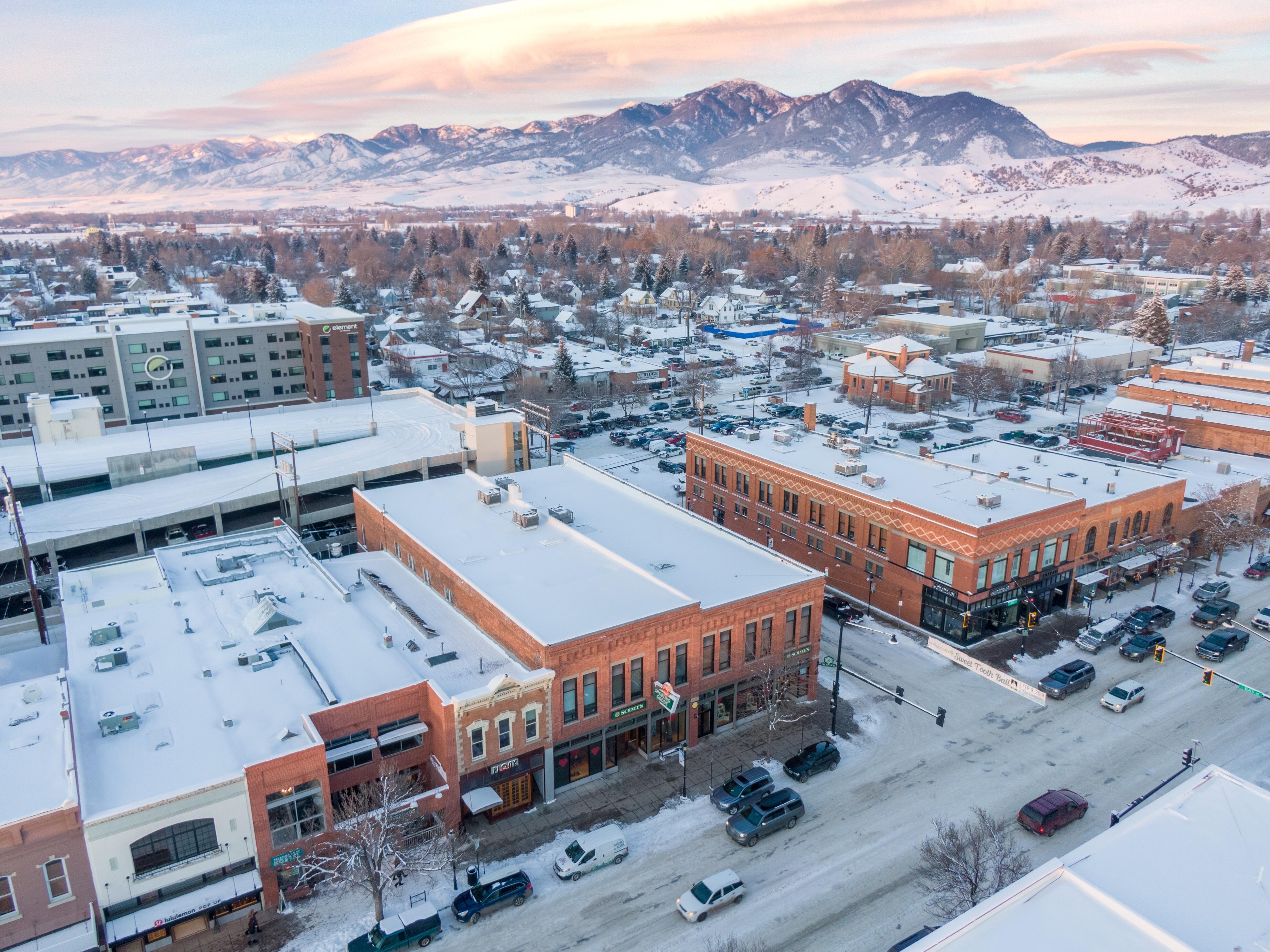
Distance in the fourth largest state
Montana is considerably bigger than it looks on a map. This is the fourth largest state in the country at 145,546 square miles. The population sat around 1.13 million as of mid-2023, which works out to 7.8 people per square mile. Roughly two thirds of everyone here lives in ten of the fifty-six counties. The rest is empty in a way that's hard to picture until you're crossing it at nine at night looking for a gas station that's open.
People love that about this state. It also changes your week once you're living in it. Does any of that matter day to day if you land in one of the larger towns? Not much. There's a hospital and groceries, and most of what a normal week asks for is close by.
Where the distance actually costs you
Specialist care is where it shows up first. If somebody in your family sees a specialist regularly, that becomes a two-hour drive each way across a good share of the state. Sometimes it's a flight out instead. Most people work that out after they've already bought the house.
Air travel is the other place. Bozeman runs 31 nonstop destinations and moved 2.8 million passengers in 2025, which makes it Montana's busiest airport. That's about the best you'll do in the state. Plenty of trips still involve a connection, and a connection out of Montana turns into a long day.
Then there's the ordinary stuff, because anything your own town doesn't carry becomes a drive. Kids' sports can mean four hours in the truck on a Saturday to play a team two towns over. That one catches people more off guard than anything else on this list. Nobody puts youth hockey travel on a pros and cons list about Montana.
Who's available to do the work
The third item catches people who have renovated a house somewhere else. It comes down to who can get to your project. Construction is projected to be Montana's largest job creator through 2032, adding roughly 1,060 positions a year. Construction and extraction occupations together are expected to generate about 4,910 openings annually. Most of that is replacement rather than growth, meaning retirements and people leaving for other work.
What that means for you is a calendar you don't set. A good roofer might be booking three to six months out. A well and septic contractor in the busy part of the year can run longer. Everybody competent is already working, so getting onto a schedule takes more than a phone call. Price alone won't always move you up the list.
The building season, and what "needs a little work" means here
All of that traces back to the winters, since you can't pour concrete into frozen ground. Most outdoor work in the state has to happen inside the same few months. Every trade is fitting a year of work into one part of the year. Miss your window in the fall and you're waiting for the ground to open back up.
So what changes when you're looking at houses? What you hear when a listing says it needs a little work. A project that runs one summer somewhere warm can take two years here. That belongs in the price you offer rather than in a conversation you have later with the drywall already open.
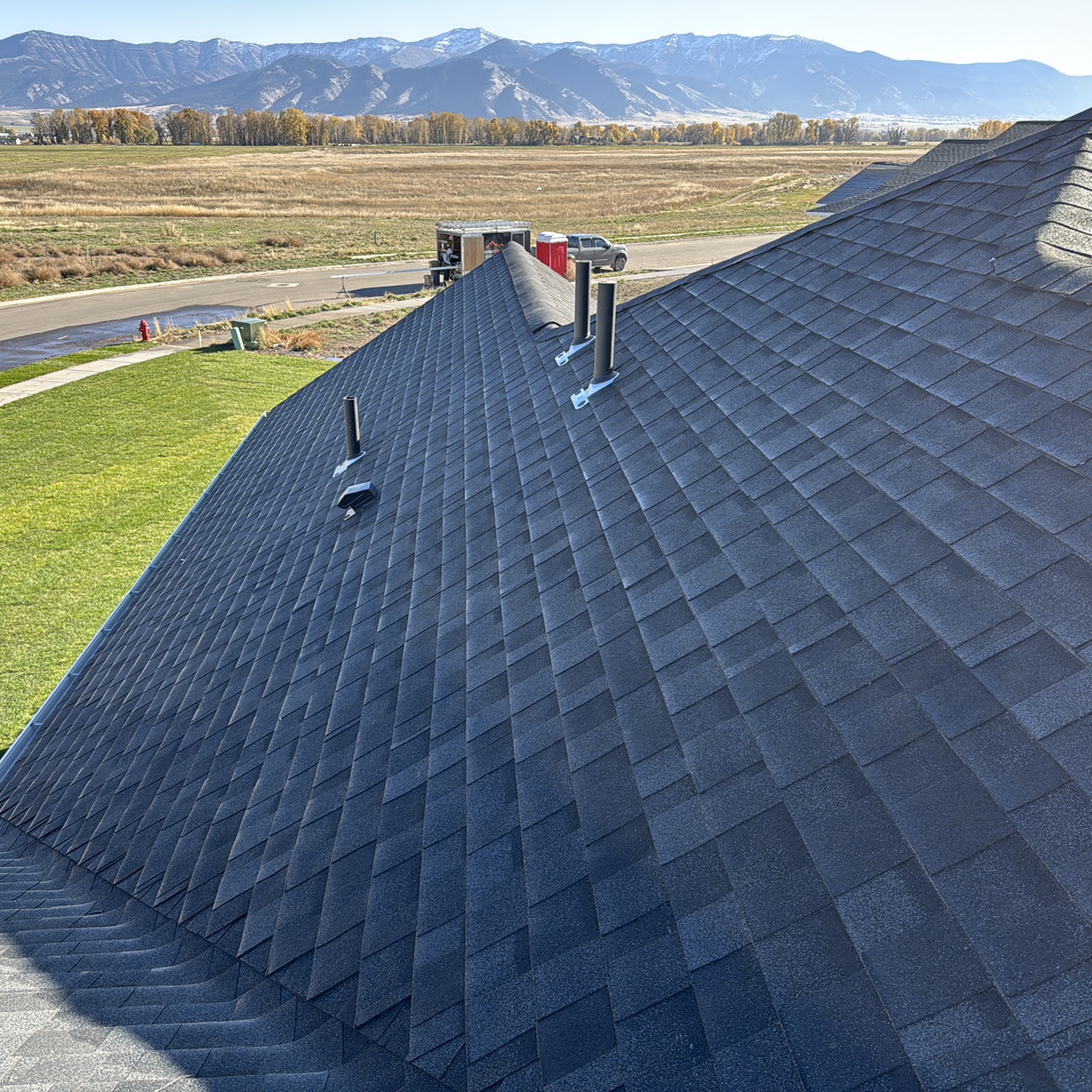
How far out of town you buy sets the price of all of it
Those three items each cost you something. How much depends heavily on where you land relative to town. That part works the same anywhere in the state, so let me sort it before the last two.
Buy in town and you're on city water and sewer. Your drives are short, and the trades problem eases because the people doing the work are usually nearby. You pay the most per square foot for that, which is the trade you're making.
Go ten or fifteen minutes outside town and the same square footage gets meaningfully cheaper. Out there you're probably on a private well and a septic system. Work that would be a phone call to the utility company in town turns into permits, drillers, and inspectors. That adds time to almost anything you want to change.
Up a canyon or up in elevation is a different proposition again. There's usually one road in and one road out. That matters more than it sounds like when the road has snow drifted across it and you need to be somewhere. Snow is heavier up there. Plowing is more your problem than the county's, and winter runs a few weeks longer than it does on the valley floor. People love it anyway, and they go in knowing the trade.
Then there's well out there in one of the small towns, where the price of homes changes most. Every distance item above roughly doubles, and services thin out along with it. That's a fine trade if you're home most days. It gets hard quickly if you're driving into town five or more mornings a week.
How far out you buy sets the price more than almost anything else does. What you're deciding is how many minutes a day you want to spend in the car for the next ten years. That deserves a deliberate answer rather than one you arrive at in month three.
Smoke is the least predictable thing on this list
Fire season runs from about May into October. Most of what we end up breathing didn't start anywhere near here. A lot of these valleys are shaped like a bowl, so they hold whatever rolls in. A bad week in Bozeman might trace to a fire in Idaho, Washington, California, or a few hundred miles up into Canada.
How different can two summers be? In 2017 this state burned 1,366,498 acres. Eight years later, 2025 came in at just over 76,000 acres, the fourth-lowest total in fifteen years. Same place, same months, a completely different summer. One detail makes it stranger. 2025 had slightly more fire starts than usual, around 2,200, and a cool wet summer with fast response kept almost all of them small.
Two things to ask about the house itself
You can't do much about the air once it arrives. That puts most of the answer in the house you buy. Air conditioning hasn't been standard in a lot of the housing stock out here, and neither is real filtration. Both go from something you never considered to something you care about a great deal. The first August you spend inside with the windows shut will tell you what I mean.
So ask what the system does with the house closed up for a week. Where the answer is that it moves outside air around, you're looking at a project you'll take on sooner than you planned to.
Whether you'll live the way you're moving here to live
The fifth item is the only one on this list that's about you rather than about the state. It's also the one I'd think hardest about.
In 2024, about 36,200 people moved into Montana from other states. About 35,400 moved out. That's a net domestic gain of roughly 700, which ranked 34th among the states. Montana gets discussed as though the traffic only runs one direction. The numbers say otherwise.
So who leaves? Mostly the people who bought the July version of this state, which is the version almost everybody sees first. They come out and drive past a trailhead with the windows down. Then the job came with them, the calendar came with them, and the house needed a roof. Two years later they're living the same week they were living before the move.
The test I'd run on yourself first
Here's the uncomfortable one. Look at the last two years wherever you live now. Count the weekends you spent doing the thing you say you want to do out here. Be honest about the person you are on the schedule you actually have.
If you're not getting outside much where you are, being twenty minutes from a trailhead may not fix that. The people who stay tend to have worked out what an ordinary Tuesday looks like here before they ever packed the truck.
So can you handle these five?
Some people can't, and I'd rather you know that now. Most of the trouble I see comes from planning around one version of the year. Somebody buys a house that works for them in July. Another person had no idea the building season runs three months. A third moves out here for the outdoors and then never goes outside.
Every one of those is something you can sort out before you decide. Most of the people I talk to have already considered all of it. What they haven't had is somebody telling them which one is going to be the problem for them specifically.
Planning the move around your equity and your life
Most of the people I work with are busy professionals who want a move that builds real financial wealth along with a life worth moving for. Those two can pull in different directions. Planning for both at once is the whole point of the Montana Move Method, rather than discovering the conflict after closing. Where in the state you land sets your weather, your drive times, your job market, and what your house is worth in ten years. That's why it comes before any conversation about houses.
For the where-in-Montana version of this question, read how to pick the right valley in Montana. If the Gallatin Valley is the area you keep circling back to, our guide to relocating to Bozeman covers the numbers, the neighborhoods, and the timing.
Prefer to watch?
Here's the full list on camera, including the sorting by how far out of town you buy.
If the video doesn't load, you can watch it here on YouTube.
Moving to Montana: quick answers
What should you know before moving to Montana?
Plan for a winter running October into May, with end dates that shift by a month year to year. Expect long drives in a state averaging 7.8 people per square mile, a three-month building season that books trades out months ahead, and wildfire smoke that varies by summer. How far from town you buy changes the cost of all three.
How long does winter last in Montana?
Snow in October and snow in the middle of May are both normal in southwest Montana, and the end date moves by a month or more between years. March and April are the two months most people find hardest, since the cold has broken while the ski hill is closing and the trails are still too wet to use.
Why is it hard to find contractors in Montana?
Construction is projected to be Montana's largest job creator through 2032, with construction and extraction occupations generating roughly 4,910 openings a year, most of it replacing people rather than expanding the workforce. Frozen ground also compresses outdoor work into a few months, so every trade fits a year of work into one part of the year.
How big is Montana and how many people live there?
Montana is the fourth largest state in the country at 145,546 square miles, with a population of roughly 1.13 million as of mid-2023 and a density of 7.8 people per square mile. About two thirds of residents live in ten of the state's fifty-six counties.
Do you have to drive far for healthcare in Montana?
Routine care is available in most Montana towns of any size, and specialist appointments commonly mean a two-hour drive each way or a flight. Anyone in your household who sees a specialist regularly should factor that into where you buy rather than afterward.
Does the Bozeman airport have nonstop flights?
Bozeman Yellowstone International serves 31 nonstop destinations and handled 2.8 million passengers in 2025, making it Montana's busiest airport. Many of those routes run seasonally, so check the schedule for the months you'd be flying. It's the most connected option in the state, and plenty of trips still require a connection.
How bad is wildfire smoke in Montana?
Smoke severity swings dramatically between summers, since Montana burned 1,366,498 acres in 2017 and just over 76,000 acres in 2025, the fourth-lowest total in fifteen years. Much of the smoke that settles in these valleys originates in other states or in Canada, so a quiet local fire season doesn't guarantee clear air.
Are air conditioning and air filtration common in Montana homes?
Air conditioning and real air filtration are both absent from much of Montana's existing housing stock, which matters most during a smoky August when the windows stay shut. Ask what a home's system does with the house closed up for a week before you write an offer.
Do more people move to Montana than leave?
About 36,200 people moved into Montana from other states in 2024 while about 35,400 moved out, producing a net domestic gain near 700 and ranking Montana 34th among the states. The inbound and outbound flows are nearly the same size, which is why the people who stay tend to be the ones who planned for an ordinary week here.
Which of these five is your sticking point?
Most people already know four of these and have one they can't resolve on their own. Book a call with me and tell me which one it is, along with where you'd be moving from and what a good week looks like for you. I'll give you the honest read on whether it's the thing that should stop you.
Keep reading
Posted by Chase Heiland onEnjoy this blog post? Click here to subscribe for updates
Leave A Comment