
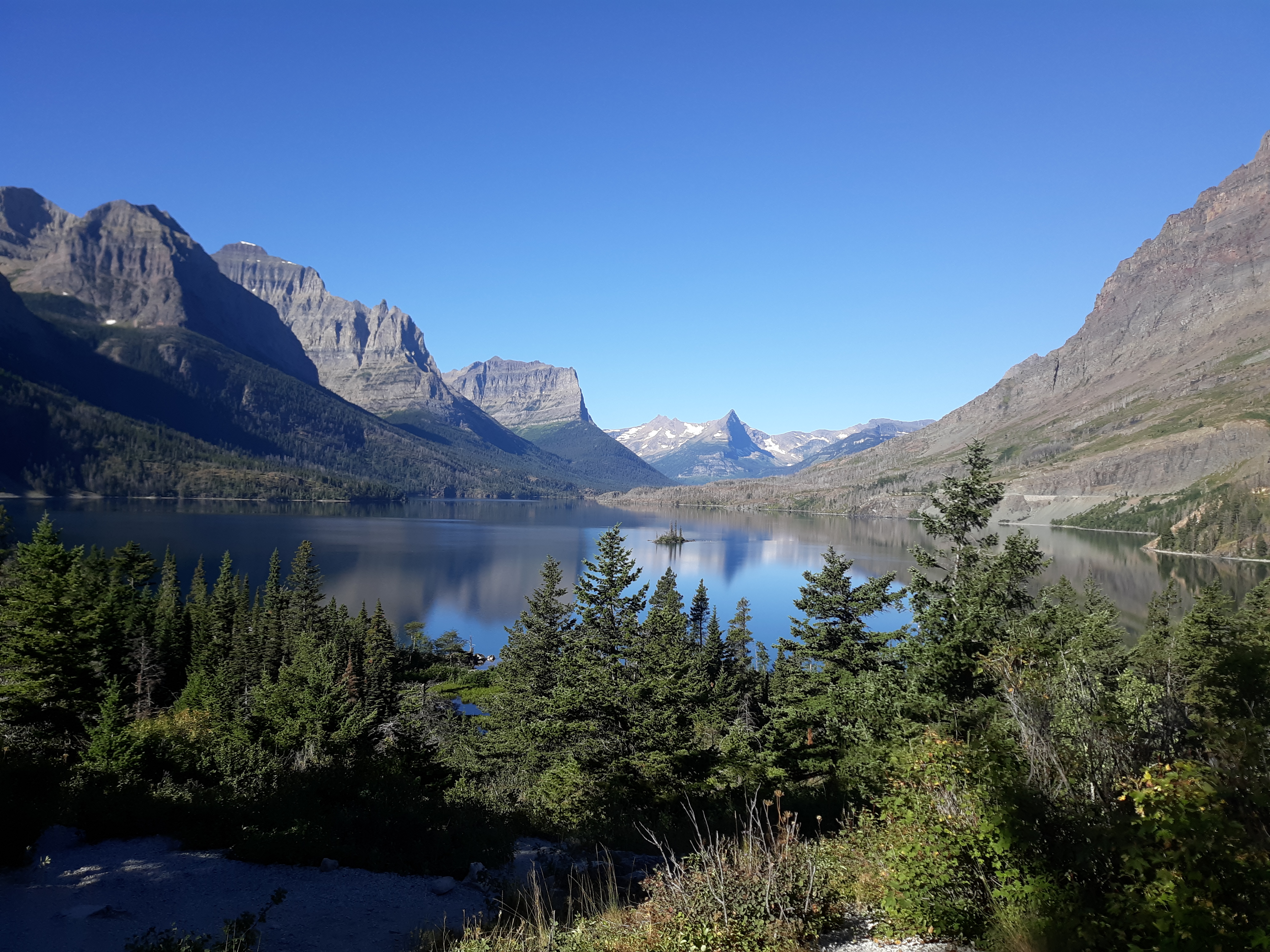
I was eight years old the first time I saw Glacier National Park, and I couldn't believe it was a real place. You know how you look at pictures of Glacier and figure somebody edited them? Then you see it and it's better than the pictures.
Glacier is where I fell in love with Montana, and I'll be honest that Bozeman, where I live now, can't touch the beauty of the Flathead. Which raises the question I get constantly. If I believe that, why do I live six hours south of Glacier? The answer is the same thing that decides whether somebody who moves to Montana is still here in five years, so let me walk you through the land, the money, and the life.
Rather listen than read? The full version is on camera: 10 Reasons You Should Move to Montana.
The short version
Montana isn't one housing market. It's at least six, and they run on separate cycles at very different prices.
Almost nobody who leaves Montana leaves because of Montana. They picked the wrong valley for who they are.
If you're serious, come in February. Anybody can love this state in July.
What are the best places to live in Montana?
The strongest options are the Gallatin Valley around Bozeman for sun, jobs, and airport access at the highest prices, the Flathead around Kalispell and Whitefish for the best scenery in the state alongside the darkest winters, and Missoula for a softer college-town version at friendlier money. Billings, Great Falls, and the smaller towns east stretch a budget much further than most people expect. The right answer depends on which trade-off you can live with year-round rather than which place photographs best.
The land, and one law that makes a Montana river different
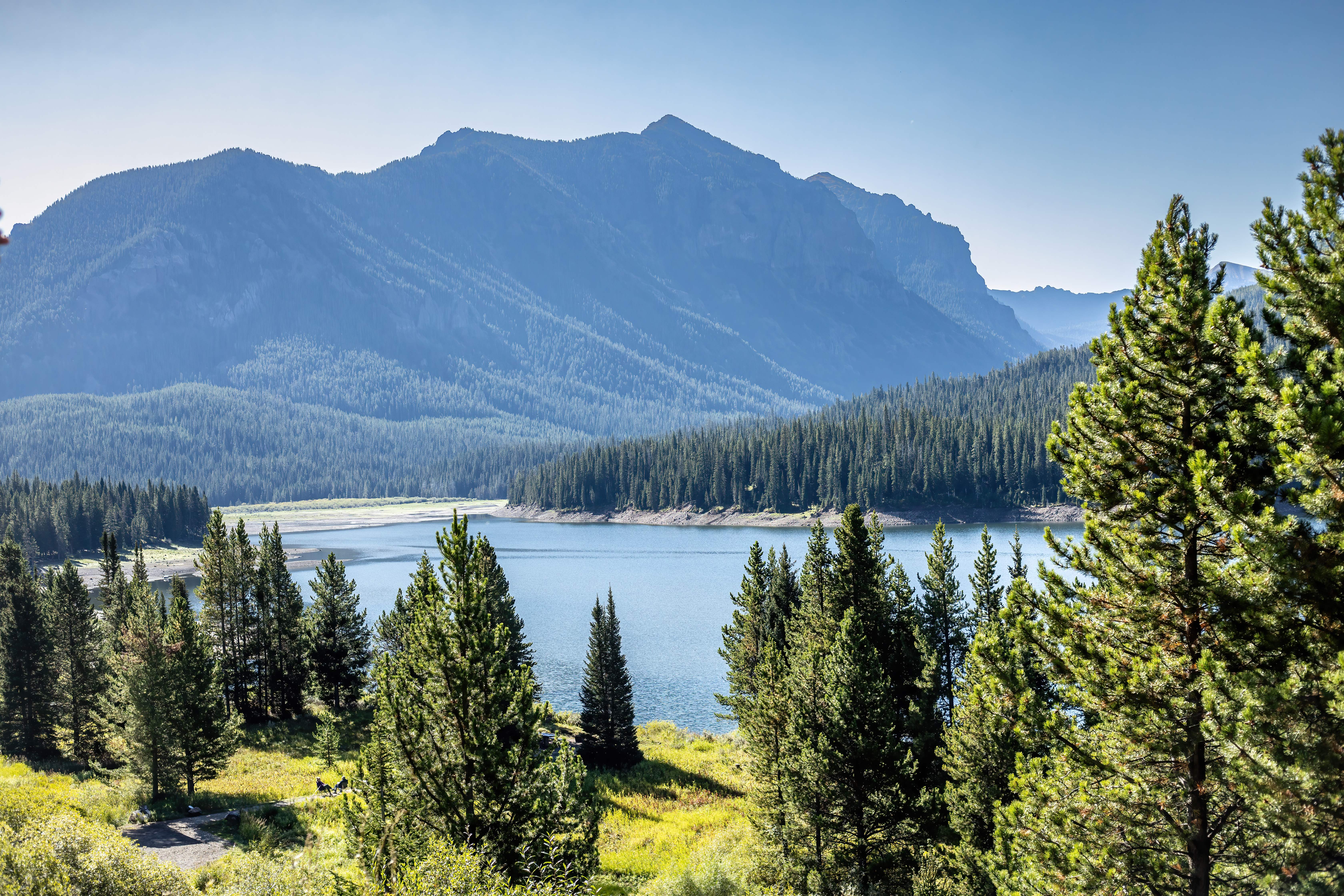
Glacier sits in the northwest corner of the state, and Yellowstone's north gate is ninety minutes from my front door down south. Two of the most famous places in the country in one state, both close enough for a weekend.
What does that get you on an ordinary Saturday? A huge amount of Montana is public land, and public means yours to use. No membership, no reservation, no friend with a gate code. You need a truck and a free morning. That same ground would be somebody's private estate almost anywhere else.
Then there's the water. Montana's stream access law says the public can use rivers and streams up to the ordinary high water mark regardless of what's happening on the banks, so a river running through a private ranch is still a river you can float and fish. Try that in most states and you're trespassing.
The last piece is the seasons, because out here they behave like four different places. Fall turns the valleys gold with the elk on the move, winter puts you on skis close to home, and spring puts you hiking in a snow squall, which sounds terrible and is one of my favorite things in the world.
The money: taxes, six markets, and the wage gap
Start with the tax you feel every week, which is the one Montana doesn't have. There's no general statewide sales tax, so an appliance, a set of tires, and a Saturday run to the hardware store all ring up at the sticker price. Coming from a state charging eight or nine percent, you feel that difference monthly. A few resort towns run a local tax on some purchases, so it isn't universal, though for most of what you buy the number on the tag is the number you pay.
Property taxes are the other half of the picture and they've moved around in the last couple of years, so run your county's numbers rather than a statewide average.
Then there's price, and this is where people get the state wrong. Can a normal person still buy in Montana? What most people miss is that Montana isn't one market, it's at least six. Gallatin County, where I live and work, is the most expensive of them. The Flathead runs its own cycle around Whitefish and Kalispell. Missoula sits below both. Then you have Billings, Great Falls, and the small towns east, where your money goes considerably further than almost anybody reading this would guess.
The last piece of the money side is the one that decides it for most of my clients: the gap between what you earn and what it costs to live here. Montana wages run below the national average, so if you're earning a national salary and paying Montana costs, you've got a gap working in your favor every month. Where it falls apart is when somebody shows up with no income plan and starts hunting for a local job at local wages to cover a house that got priced by somebody else's remote paycheck. Be honest with yourself about which side of that you're on.
The life: you can still pick the wrong valley
Land and numbers can both check out and you can still land in the wrong part of Montana. I know something about that, because I lived in the wrong place before I picked the right one.
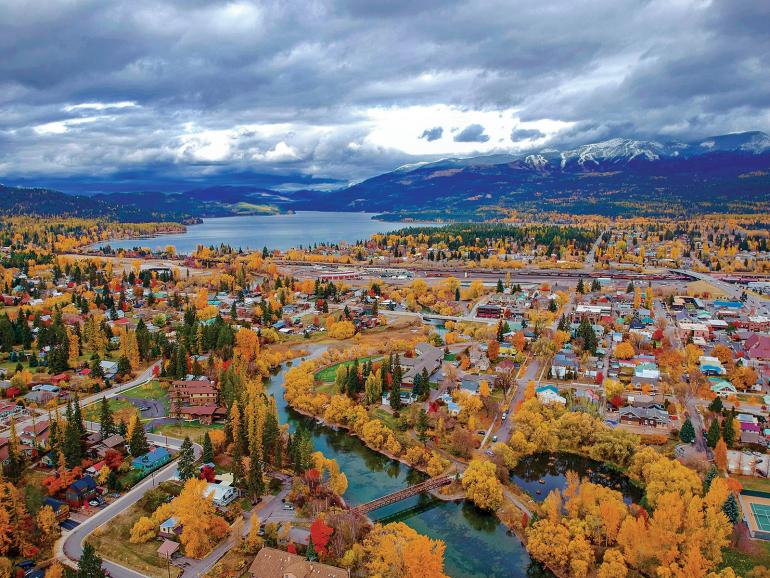
I've been coming here since I was seven or eight, mostly to Glacier and the Flathead, and my family had lived in Missoula before that. From about fifteen I was over on that side regularly, and between eighteen and twenty-one I lived up around Kalispell. So when I say that area is phenomenal, I mean it. Glacier is out the back door, Flathead Lake, the whole northwest corner. Everything I believed about that place at eight years old I still believe.
The winter got to me, though. What does a Flathead winter feel like? Long and dark. That valley sits under cloud cover for stretches running weeks or even months, the inversion settles in, and the sun goes away in a manner I had never experienced. At twenty I didn't have a word for it. All I knew was that by February I was depleted.
Missoula is a different animal. University town, a lot of the same energy Bozeman has with a real bohemian streak, a serious music scene, a river running through the middle, and a downtown people spend time in. If you'd asked me at twenty-one where I'd end up in Montana, I'd have said Missoula or the Flathead, and I'd have been certain about it.
How I ended up in the Gallatin Valley
The strange part is what came next. As a kid I'd never once been over to the Bozeman side of the state. I'd asked family what was over this way and somehow we never visited. When I made the move in 2016, I packed everything into my dad's garage in Orange County and landed here for the least romantic reason available: I had family here on a work contract.
I came to visit and didn't think I'd stay. Two things kept me. The first is the energy in this valley, a college town full of people who left bigger cities on purpose, and you can feel that in a coffee shop. Then there's the sun. Real sun and real snow with blue overhead, on a scale I'd never seen up north.
That probably sounds small next to a national park. Here's how it works for me though. Glacier is somewhere I get to a handful of times a year, and winter light is something I live in for five months or more. I picked the one that shows up every morning.
Why people leave Montana
Almost nobody who leaves Montana leaves because of Montana. They go because they picked the wrong valley for who they are. Somebody who needed sun ended up somewhere dark. A family that needed a real job market landed two hours from one. Plenty of people come looking for space and quiet and then buy in the busiest county in the state.
Moving here is two decisions stacked on top of each other, and most people only make the first one before they commit. Pick the Glacier area and Flathead Lake and you're taking the best scenery in the state along with the darkest winters in it. Missoula gives you a softer, artsier college town at a friendlier price. The Gallatin Valley gives you the sun, the busiest airport in Montana, and the strongest job market around, with the highest prices attached. I'm biased toward that last one because I live and work in it, and it does cost more than the alternatives. What you get for the money is light in February and enough going on economically that your plan doesn't hang on a single employer.
Who this move goes badly for
A few groups, from what I've watched. Anybody who moves on the scenery and runs their numbers afterward is one, because making that leap without a financial plan can backfire.
Distance is another. Montana might look compact on a map, and it's the fourth largest state in the country. A specialist appointment, a major airport, or a real grocery run can each be a serious drive depending on where you land.
The last group is the people who come in summer and fall in love, and I can't blame them, because that's how it happened to me. There's a real seasonality here that you simply don't experience on a July visit. So if you're serious about this, please come in February. Anybody can love Montana in July.
What this choice is worth in ten years
Where you land in this state determines your weather, your drive times, your job market, and what your house is worth in the next decade. There's a lot riding on it, and most people should settle it before they start looking at homes.
That's the thinking behind the Montana Move Method: building a move that grows your money and fits your life at the same time rather than treating those as separate questions. If the Gallatin Valley is the part you keep circling back to, start with our guide to relocating to Bozeman.
Prefer to watch?
Here's the full version, the land, the money, and the life.
If the video doesn't load, you can watch it here on YouTube.
Moving to Montana: quick answers
What are the best places to live in Montana?
The Gallatin Valley around Bozeman offers the most sun, the strongest job market, and the busiest airport, at the highest prices in the state. Up north, the Flathead around Kalispell and Whitefish has the best scenery and the darkest winters, Missoula sits in between at friendlier prices, and Billings, Great Falls, and towns east stretch a budget considerably further.
Is Montana affordable to live in?
Montana is at least six separate housing markets, so affordability depends entirely on which one you're in. Gallatin County is the most expensive, while the eastern half of the state remains genuinely affordable, and Montana wages running below the national average is why an incoming national salary changes the math so much.
Does Montana have a sales tax?
Montana has no general statewide sales tax, so most purchases ring up at the price on the tag. A handful of resort towns apply a local tax to certain purchases, so it isn't completely universal.
Can you fish a river that runs through private land in Montana?
Montana's stream access law allows public use of rivers and streams up to the ordinary high water mark regardless of who owns the adjacent land. That makes a river running through a private ranch legally floatable and fishable, which is unusual among states.
Why do people leave Montana after moving there?
Most people who leave chose the wrong part of the state rather than disliking Montana itself, ending up somewhere darker, more remote, or further from a job market than they planned for. Visiting only in summer and underestimating drive times in the fourth largest state are the two most common causes.
Which part of Montana gets the most sun?
Southwest Montana, including the Gallatin Valley, gets noticeably more winter sun than the northwest corner around the Flathead, where inversions can hold cloud cover in place for weeks at a time. That difference matters more to most transplants than they expect before they've lived through a winter.
Which part of Montana are you looking at?
If you're circling two or three areas and can't settle it, that's worth a conversation. Book a call with me and tell me what's holding you up. I'll give you the honest read on the Gallatin Valley and a straight comparison against the other side of the state, including where I'd point you if the answer isn't here.
Keep reading
Posted by Chase Heiland onEnjoy this blog post? Click here to subscribe for updates
Leave A Comment