
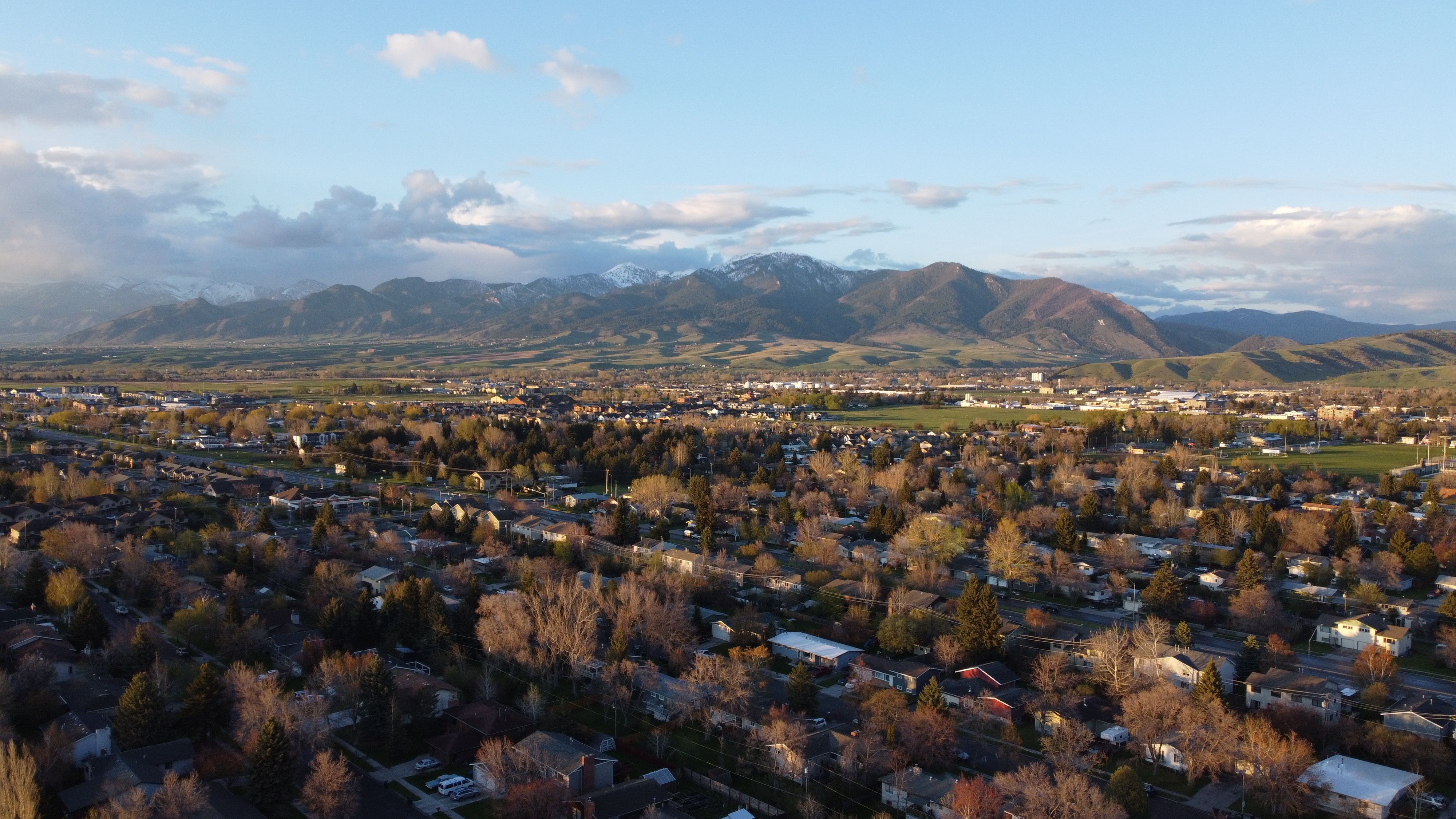
There are homes listed in the Gallatin Valley right now that I wouldn't let a client of mine buy. Most of the problems never show up in listing pictures, and buyers relocating from out of state rarely think to check for them. Five house types come up over and over, and the last one has burned people I know personally.
I moved here from Southern California in 2016 and I'm a real estate broker in Bozeman. When I walk into one of these five, I know inside of about ten minutes. Here's what to look for so you don't end up in one by accident.
Rather listen than read? I walk through all five on camera, with the red flag for each one: Never Buy These Types of Houses in Montana.
The short version
Montana ranks second in the country for the share of homes at risk of catastrophic wildfire damage, behind only Wyoming, and insurance is getting harder to place because of it.
Well and septic inspections are not automatic in Montana. If you don't order them yourself, nobody checks.
Flood maps across the state are being redrawn right now, so a home outside the zone today can land inside it on the next map.
What types of houses should you avoid buying in Bozeman and Montana?
The five worth the most caution are homes with high wildfire exposure and no defensible space, homes on an aging well or septic system, cosmetic investor flips with no permit history, homes on a poor lot position in mountain country, and homes inside a FEMA flood zone. None of these is an automatic no. Each one carries a cost that shows up after closing rather than at the offer table, and knowing which one you're looking at before you write the offer is the whole difference.
1. High wildfire exposure with no defensible space
This is the one that catches relocating buyers hardest: a house deep in the trees on a hillside, no real defensible space around it, and no insurance lined up behind it. Montana ranks second in the nation for the share of homes at risk of catastrophic wildfire damage, behind only Wyoming, with more than half the properties in the state considered vulnerable. The worst exposure sits in exactly the forested places people picture when they picture Montana.
What I see most is tunnel vision. Buyers notice the trees, the privacy, and the deer in the meadow, and they stop noticing the fuel sitting within a hundred feet of the house. So when I walk a foothills property, I'm reading how it sits on the slope, what the timber looks like close in, and whether you can get an insurance quote at all. That last piece is bigger than a deal killer. The average Montana homeowners premium reached roughly $3,800 in 2024, well above the national average, and owners near the wildland urban interface are getting non-renewal notices. When you go to sell, your buyer hits the same wall you did.
Watch for this: a home backed against thick timber on a slope, especially the south or southwest side of a ridge where fire moves fastest. Get insurance quotes before your inspection deadline passes, walk the defensible space yourself, and ask what mitigation has been done. If the seller can't tell you, that's your answer.
2. An aging well or septic system
Where most people come from, you never think about where the water comes from or where it goes. Out here a lot of homes run on a private well and a septic system. That's normal and it can be completely fine. An old well or a failing drain field is a different story, and it costs far more than buyers plan for.
The assumption that sinks people is that these get inspected automatically. They don't, and Montana doesn't require it, so if you don't ask, nobody's checking. Order a real well inspection with a full pump test rather than a water quality check alone, and order the septic yourself too, with a full pump-out and a camera run. I've had a client's well come back producing nowhere near what it did when it was drilled. On the septic side, I've watched a cracked tank get replaced outright and a drain field ruined by tree roots get trenched new. And here's the piece buyers almost never check: older septic systems were permitted for a set number of bedrooms, and that permit doesn't always match the house. A five bedroom home on a three bedroom septic permit is common in older properties, and the mismatch limits what you can do with the place later.
Your signal: the words "well and septic" on any rural listing. Put both inspections at the top of your list, and make sure your contract lets you walk or renegotiate if the results come back poorly. A couple thousand now beats a six-figure surprise after closing.
3. The cosmetic investor flip
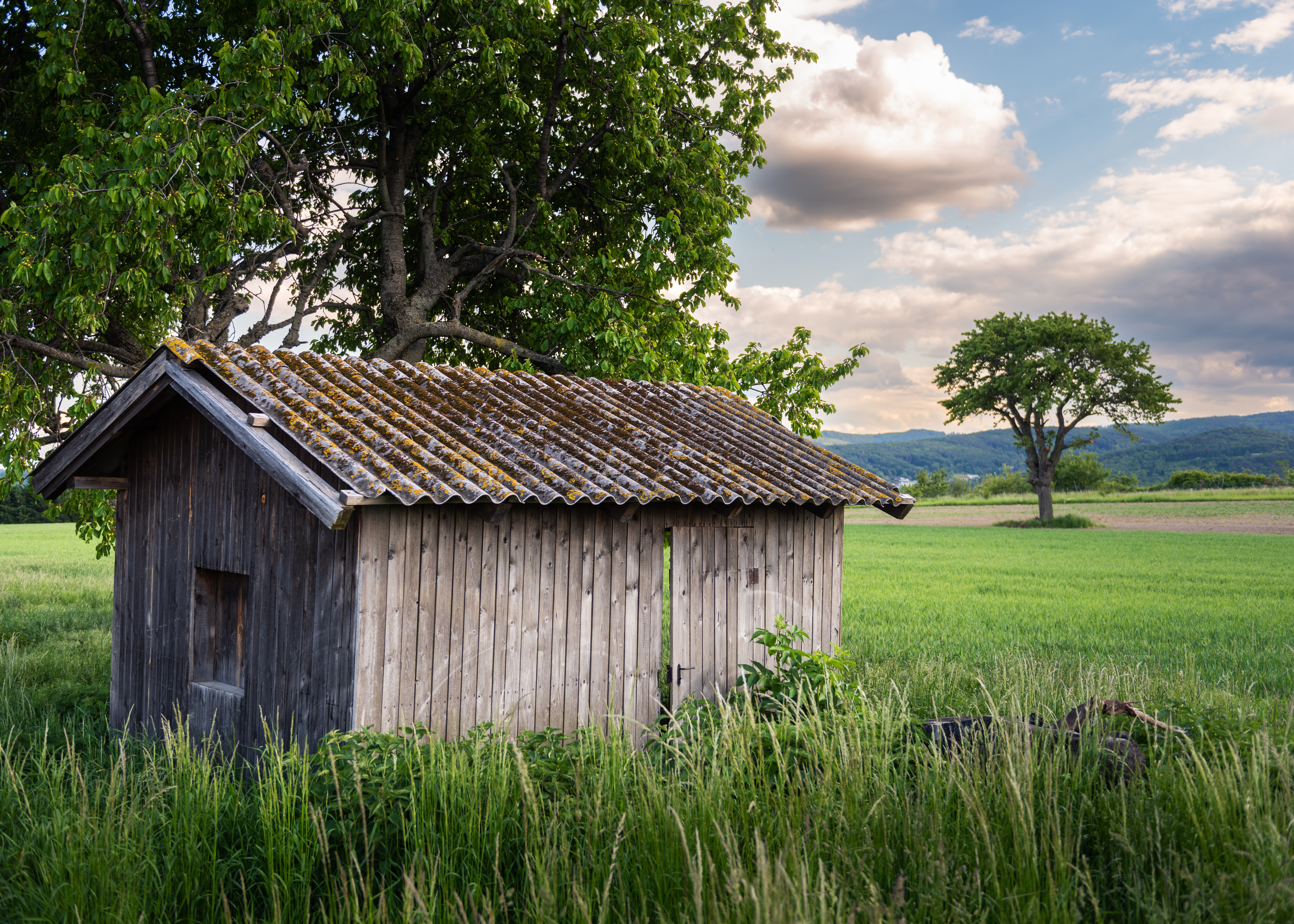
Let me be clear about what I mean, because a remodel done right, with updated systems and pulled permits, can be a strong buy. What I'm talking about is the house that came in cheap on condition, got a fast cosmetic makeover on a tight budget, and now sits at the top of the market with granite counters and fresh paint while the roof is original, the furnace is untouched, and nobody pulled a permit for the electrical.
Three things to do before you make an offer. Pull the permit history, since unpermitted work becomes your problem the day you close. Read the sales history, and if a place sold for $400,000 eighteen months ago and it's back at $750,000 after a refresh, find out what was done and who did it. Then hire an inspector who will dig behind the new finishes, under the flooring, and inside every panel. The homes that sit longest and rack up the most price cuts are often bad flips priced like move-in-ready homes.
The tell here: shiny finishes on a home with an old roof, old mechanicals, and no permit history. That combination should slow you down.
4. A poor lot position in mountain country
This one is specific to mountain country, and most people walk right past it. I'm not talking about a small lot. I mean one where the land itself works against you, and it shows up three ways.
A north-facing slope below a ridge can sit in shade for weeks at a stretch. The driveway doesn't melt, ice sticks around, and those homes tend to sit longer and sell for less than a property with good southern exposure. A low lot brings the second problem, because when the snow melts in spring the water has to go somewhere, and a house at the low point of the neighborhood collects wet basements and eroding landscaping. Then there's the natural wind tunnel, which shows up in gaps between ridges and low openings in the foothills. Summer listing pictures never show you a patio that's unusable most of the year. The neighbors know. Ask them.
Where people go wrong: falling for the view before seeing the land in weather. Drive the property at different times, including a winter visit if you can, and read the wind off how the trees bend on the ridge above.
5. Homes inside a FEMA flood zone
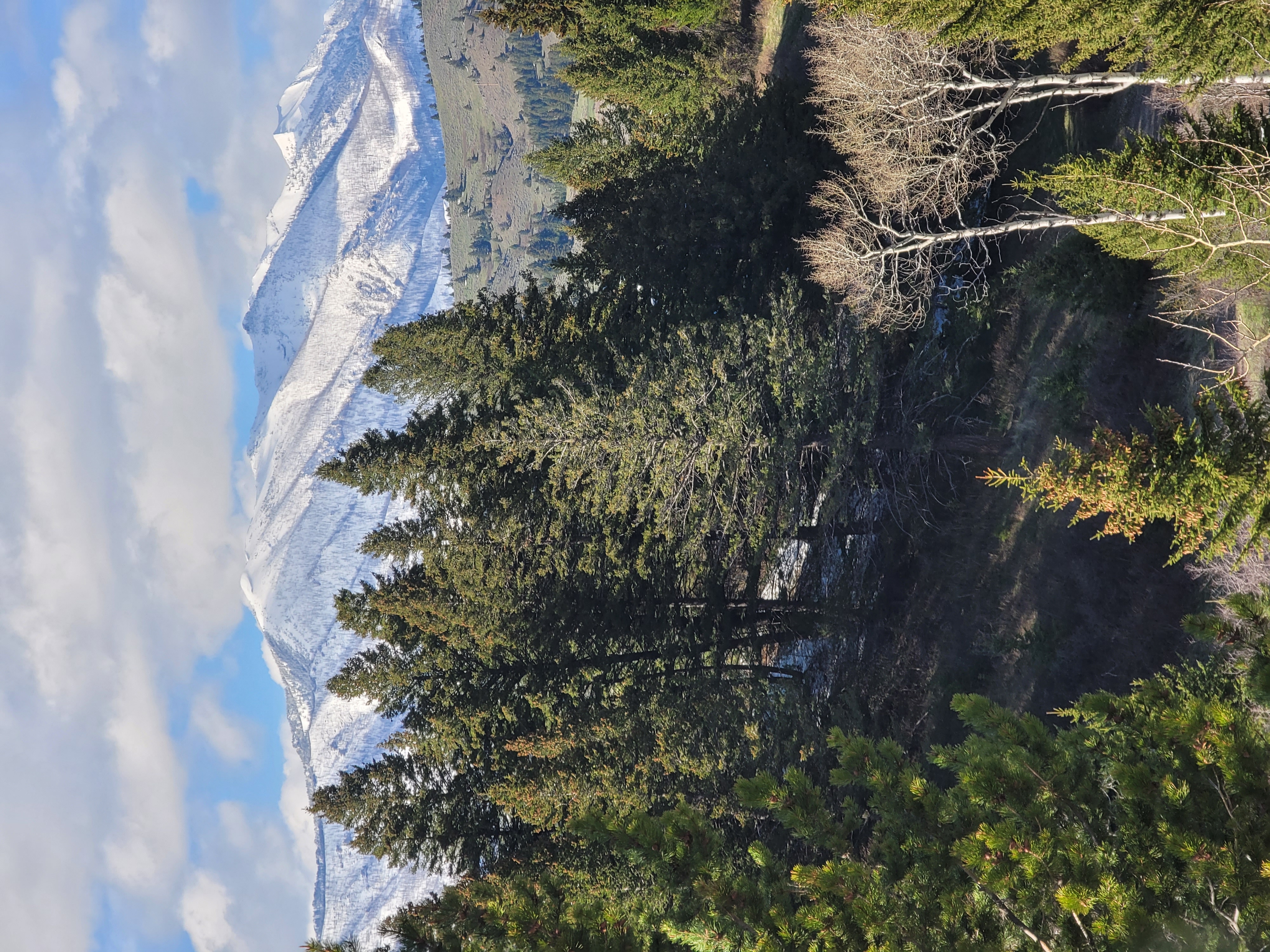
Here's the one I'd be most careful with, and the one buyers almost never think to check. So much of where we want to live in Montana is built around rivers. The Gallatin, the East Gallatin, the Yellowstone, and the Madison all flood in the areas I serve, and the Clark Fork, the Bitterroot, and the Flathead do the same out west. Most of it hits in winter when the rivers jam with ice, and again in spring when the snow goes fast.
Why won't I take a flood map at face value? Because of what happened in June 2022, when the Yellowstone River flooded in a way nobody alive had seen. The USGS called it a 500-year event. It swept homes off their foundations in Gardiner and tore through Livingston and Red Lodge, and much of what it hit was never considered real flood risk on the maps people were relying on.
The maps themselves are also moving. Around Three Forks, the effective Jefferson and Madison River maps rest on data from the late 1970s and early 1980s. FEMA issued preliminary new maps on August 12, 2025, with adoption anticipated in 2027. Under those maps the majority of Three Forks falls in the 100-year floodplain, and the west side of town gets reclassified as floodway, the most restrictive designation there is. Montana law won't let you build new in a floodway, so for some owners that means higher insurance and no path to rebuild. Missoula County is going through the same process on the Clark Fork and the Bitterroot for the first time in nearly fifty years, with adoption expected around 2027. Federal law also requires flood insurance if you carry a mortgage on a home in a mapped zone, premiums climb most years, and some insurers are pulling out of high-risk areas entirely.
Plenty of people move here specifically to be on the water, and I won't talk anyone out of wanting that. Waterfront carries some of the highest premiums in the state and historically some of the strongest long-term appreciation. I had clients fall for a place along a creek a few years back, and the flood check came back inside the 100-year zone. We talked through the insurance, the risk, and the resale, and they passed. Six months later they found views just as good outside the zone. For a different buyer that water is worth every penny, and the point is that they made the call with the full picture in front of them.
The easiest check on this list: for any property near water or down in a low spot, pull the county floodplain map before you tour it rather than after. They're free, most Montana counties have them online, and it takes about two minutes.
Buying here is a financial decision and a lifestyle one at the same time
Buyers who get hurt are almost always the ones moving too fast, usually relocating from out of state and trying to close before a job start date. You've got real room to be patient right now, with more homes to choose from than we've had in years. Montana has genuinely great homes at every price point, and the ones worth buying either don't carry these problems or they're priced honestly for the ones they do. Knowing the difference before you make an offer is what separates the buyers who build wealth here from the ones who spend years fixing something they bought. Walking that alongside the question of whether a place fits the life you're after is the point of the Montana Move Method.
Prefer to watch?
Here's the full walk-through, all five types with the red flag for each.
Buying in Montana: quick answers
What types of houses should you avoid buying in Montana?
The five worth the most caution are homes with high wildfire exposure and no defensible space, homes on an aging well or septic system, cosmetic flips with no permit history, homes on a poor lot position in mountain country, and homes inside a FEMA flood zone. Each one carries a cost that shows up after closing rather than in the listing price.
Are well and septic inspections required when buying a home in Montana?
Montana does not require a well or septic inspection as part of a home sale, so the buyer has to order both. Ask for a full pump test on the well and a pump-out with a camera run on the septic, and confirm the septic permit matches the number of bedrooms in the house.
How do I check if a Montana home is in a flood zone?
Pull the county floodplain map for the county the property sits in, which most Montana counties publish online for free, or use FEMA's Flood Map Service Center. Check the preliminary maps as well as the effective ones, because several Montana watersheds are being remapped right now.
Is homeowners insurance hard to get in Montana?
Insurance is getting harder and more expensive in wildfire-exposed parts of Montana, with the average premium reaching roughly $3,800 in 2024 and non-renewal notices going out near the wildland urban interface. Get a quote on a specific property before your inspection deadline rather than assuming coverage will be available.
Should I buy a waterfront home in Montana?
Waterfront in Montana carries both the highest insurance costs and historically strong long-term appreciation, so it comes down to whether you can carry the annual bill and the risk. Price in flood insurance before you decide, and check whether the property sits in a floodway, since Montana law prohibits new construction there.
How can you tell a bad house flip?
The signal is new cosmetic finishes paired with original mechanical systems and no permit history. Pull the permit record and the sales history before making an offer, and hire an inspector who will look behind the new drywall and flooring rather than around it.
Want a second read on a specific property?
If you've got a place you're serious about and something feels off, send me the address. Book a call with me and I'll pull what I can see on it: the flood designation, the permit record, what the lot does in winter, and whether the insurance is going to be a fight. Better to know now than at your inspection deadline.
Keep reading
Posted by Chase Heiland onEnjoy this blog post? Click here to subscribe for updates
Leave A Comment