

I was at a showing here in Bozeman last week, and in the back bedroom a little girl’s name was spelled out in wooden letters over her bed. Out in the driveway afterward I pulled the listing up on my phone, and there were the same letters right in the pictures, right under the street address, where anybody in the world can go find them.
Those letters need to come off the wall before the pictures ever get taken, and it doesn’t matter whether they’re wooden, a decal, or painted on, because the whole job takes about two minutes. It’s the pictures you can’t undo later, since once they’re online other sites pick them up and copy them over and over, and you have no say in what happens after that.
That’s one item on a short list of things I have sellers take out of a house before it goes on the market. Below is the rest of that list. One of these costs real money instead of two minutes, and if you wait until you’re listed to deal with it, a buyer takes it right back out of your price. At the end I’ll get to the hardest part, which is how a family is supposed to keep a house presentable while they’re still living in it.
Rather listen than read? I go through the full list on camera: 10 Things to Never Have in Your Home When Selling.
The short version
Names over beds, political and religious art, and wall clusters of family pictures come down before anybody points a camera.
Valuables, prescriptions, mail, and every firearm go in a safe or out of the house, because you won’t be there during showings.
The one item that costs real money is deferred repairs, and it needs a few months of lead time in this valley.
What should you remove from your home before selling?
Take down anything identifying, meaning names over beds and anything a stranger could use to find your family. Remove political, religious, and edgy art plus large clusters of family photographs. Lock up or remove valuables, prescriptions, mail, and all firearms and ammunition. Then handle deferred repairs and anything you’re taking with you, since both cost real money if a buyer sees them first.
Look at your walls the way a stranger would
Everybody agrees with me on the name over the bed. Where sellers push back hardest is what comes right after, which is everything else hanging on the walls, and that’s also where most of the money is.
Go stand in your own living room and look at your art the way somebody who has never been in your house would. Three kinds of it should come down before anybody takes a picture.
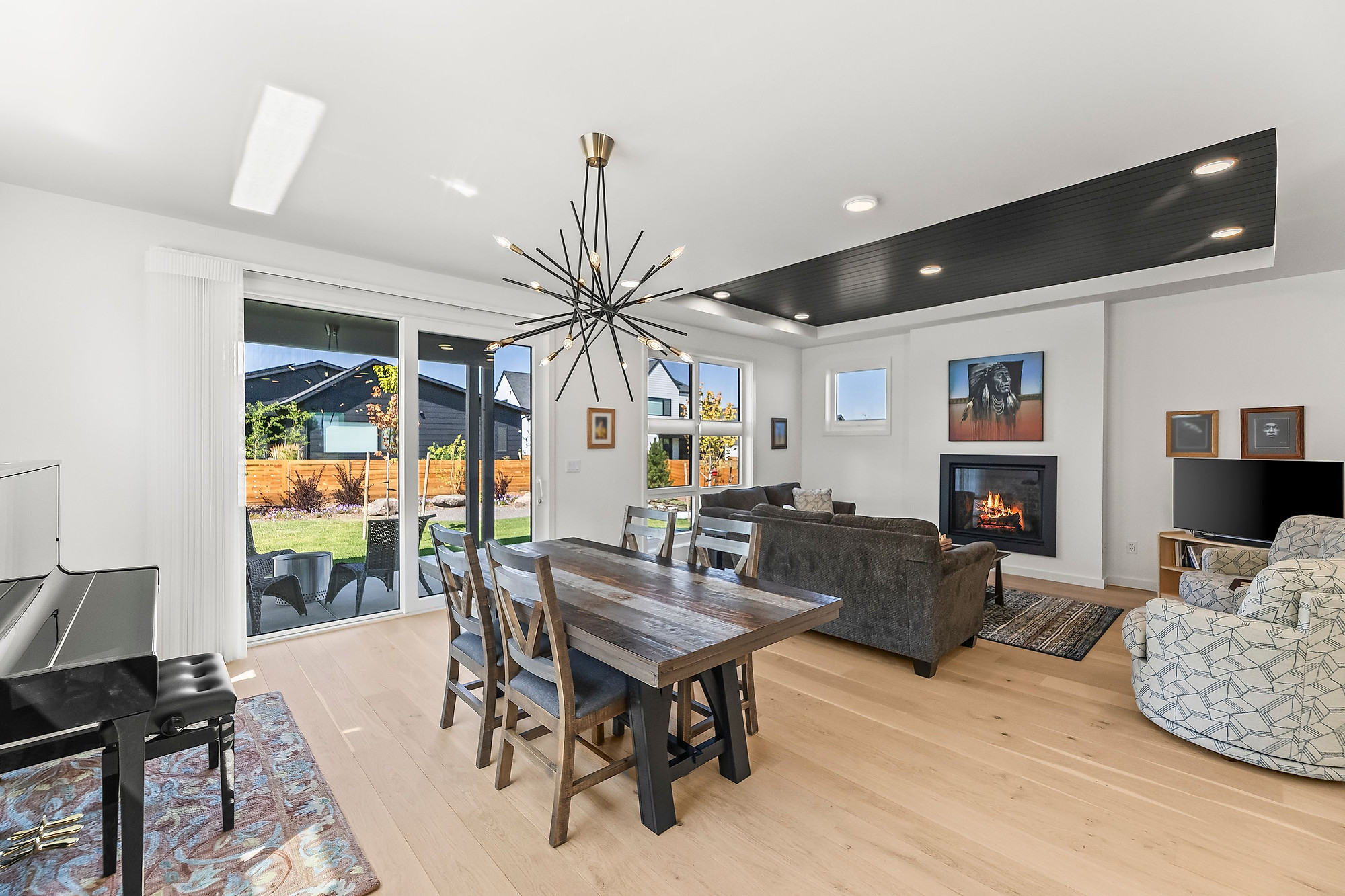
Anything political goes, along with anything close enough to politics that a stranger could tell how you vote from your hallway. Religious art is the one people don’t expect me to say out loud. So is any piece with enough edge on it that a buyer either loves it or wants it off the wall immediately. And then there’s plain volume, because a room packed wall to wall looks incredibly busy in a picture even when every piece in there is beautiful.
So what goes up instead? You want art a buyer doesn’t stop and think about, and out here landscapes are the simplest swap there is. A mountain scene, a river, something shot looking up at the Gallatins. It looks good over a couch and tells a buyer nothing about whoever lives in the house.
Family pictures and the wall that blocks a buyer
This is usually a tough conversation and I understand why, because those are the years you spent in your home, the family you love, your kids growing up in a house. A whole wall of them in the living room is the first thing anybody sees, though, and it’s usually what ends up online. Standing in your stairwell surrounded by your family, a buyer has a harder time picturing their own kids in those rooms than you’d probably think.
If you’re going to keep a few, select a few and spread them out room to room, taking down the big clusters along with anything hanging at eye level by the front door, in the living room, in the stairwell, and in bedrooms too. Leave all of it up and a buyer spends the walkthrough looking at your family instead of at your house. Somebody who walks out of a showing feeling like a guest usually isn’t the one who comes back with a strong offer.
Mail, prescriptions, and the cabinet everybody opens
Now walk through again and forget how any of it looks, because the next thing has nothing to do with money or pictures. What’s in your house right now that a stranger shouldn’t be able to get their hands on if you weren’t there?
Start with whatever is sitting out in the open: the mail you grabbed on your way in, the paperwork on your desk, and the prescriptions behind the mirror. In my experience that medicine cabinet gets opened more than any other door in the house. Jewelry, cash, anything small and valuable, all of it goes in a safe or goes with you.
Firearms during a Montana showing
This piece matters more here than it would most places. Guns, knives, and hunting weapons are normal for a lot of households in this valley, and nothing below is a comment on anybody owning them. It’s about what a showing actually is.
It’s your home, and you aren’t there. A family you’ve never met is walking through it, and while they’re with an agent, that agent is two rooms away and can’t see every room at once. Buyers bring their kids, who open closets and drawers while the adults talk about square footage.
So every firearm needs to be locked in a safe at minimum, and taking it out of the house is better, whether that’s a relative’s place, a storage unit, or wherever you’d put it if you were leaving town for a month with nobody checking in. Ammunition goes too, stored somewhere separate, and that’s the piece people forget, because a locked rifle doesn’t do much good with a box of shells on the closet shelf. Who knows who touches them, or whose fingerprints end up on them. The same goes for knives, bows, anything with an edge or a trigger.
None of this is about whether you trust the people coming through your door, since you won’t be standing there to know one way or the other. Getting the rest of the list wrong costs you money at closing, and I’d still handle everything that goes in a safe before I touched anything on the walls.
Timing: three to six months out, or already listed
The order changes depending on your timeline, and there are two versions of this.
Three to six months from listing, you can knock the whole list out in a weekend and never think about it again. Take care of the walls, lock the valuables up, and do it while there’s no pressure on you, because every one of these decisions gets harder once there’s a buyer coming through on Saturday.
What if your house is already on the market with half of this still in it? That’s the harder version, because your pictures are already out there and reshooting means a whole new set of pictures in a listing that looks to everybody watching like something didn’t really change. Here’s how I’d think it through. If two or more of these things show up in the pictures you have, I’d reshoot and take the hit on listing history. For a single change, leave the pictures where they are, take the thing out of your house, and don’t think about it again, because a buyer walking through isn’t comparing the room to the pictures they saw.

The item that costs real money
Here’s the one I flagged at the start, the one that costs real money and needs a few months of lead time. It covers whatever is broken in your house right now, along with anything you already know is coming with you when you go.
I’m talking about the ceiling fan where the blades still spin and the light hasn’t worked in years, or a wine fridge that quit two years ago and turned into a cabinet, or an upstairs window with the seal blown and fog sitting between the panes. You can repair it, replace it, or pull it out and cap the opening, and any one of those beats leaving it as is.
To you that’s a $60 part and an afternoon. A buyer standing in that room doesn’t price it anywhere close to that. They start wondering what else in this house got left half finished, then price the repair at a contractor rate with cushion on top, because they don’t know, and when a buyer doesn’t know they always assume the worst.
Getting a tradesman out to a house in this valley in the spring can take weeks on its own. A seller who starts making calls in March has options. By the week before pictures, you’re calling around hoping somebody has an opening.
Chandeliers, TV mounts, and what comes with you
The other half of that is everything you already know you’re taking. Your grandmother’s light fixture is the classic one, along with the dining room chandelier, the televisions mounted on the walls, and the washer and dryer. Swap all of that out before pictures get taken if you can, because if it turns up in your listing pictures a buyer has every reason to assume it comes with the house, and now you’re negotiating over something that was never for sale.
How a family actually lives in a house that’s on the market
This is the question I get more than any other. How is a family with kids, jobs, and a dog supposed to keep a house pristine for however long it takes to sell? There are two parts to my answer.
The big cleanout happens exactly once, right before you take pictures, and it covers the art, the family pictures, the names over the beds, the broken fixtures, and the extra furniture making a room look smaller than it is. All of that comes out once and stays out, because the pictures online are what people look at for the whole listing, whether you sell in nine days or ninety.
Then there’s the daily part, and honestly it’s much smaller than most people expect. Buy two plastic totes. Every morning before you leave, pick one spot, the counters, the shower, the nightstands, the entryway, and sweep it into the totes. The totes go in the trunk of your car or up on a shelf in the garage. That’s ten or fifteen minutes, and that’s really all there is to it.
The genuinely hard part of this process is what it does to you, because the day your house goes on the market it turns into a product with a price on it rather than your home. That’s uncomfortable in a way nobody wants to talk about, and I’d rather say it up front than pretend it’s easy. It doesn’t last long, and it’s what protects your number at the end.
Your home is probably the biggest pool of equity you have, and how much of it you keep gets decided by the first ten pictures a buyer ever sees. Planning for that equity alongside the life it’s meant to fund is the whole idea behind the Montana Move Method. For the pricing and presentation side, read our pre-listing playbook.
Prefer to watch?
Here’s the full list on camera.

If the video doesn’t load, you can watch it here on YouTube.
Preparing your home for pictures: quick answers
What should you take down before listing pictures?
Remove anything identifying, including children’s names spelled out on walls, along with political art, religious art, edgy pieces, and large clusters of family photographs. Landscapes are the simplest replacement, since they look good over a couch and tell a buyer nothing about who lives there.
Should you remove family pictures when selling a house?
Take down the big clusters and anything at eye level near the front door, in the living room, in the stairwell, and in bedrooms, keeping a few spread room to room if you’d rather not remove them entirely. A buyer surrounded by your family has a harder time picturing their own in the space.
What should you lock up during a home showing?
Jewelry, cash, small valuables, mail, paperwork, and prescriptions all belong in a safe or out of the house, since the medicine cabinet gets opened more than any other door. Firearms should be locked at minimum and ideally removed entirely, with ammunition stored separately.
Should you fix things before selling your home?
Deferred repairs are the item that costs real money, because a buyer prices a broken fixture at contractor rates with cushion on top and starts wondering what else was left half finished. Getting a tradesman scheduled in this valley in spring can take weeks, so start calling months ahead.
What if my home is already listed and the pictures are wrong?
If two or more problem items appear in your current pictures, reshoot and accept the hit to listing history. For a single change, leave the pictures alone and simply remove the item, since buyers walking through aren’t comparing the room to what they saw online.
How do you keep a house show-ready with kids?
The full cleanout happens once, right before pictures, and it stays done. Daily upkeep is about ten to fifteen minutes with two plastic totes: sweep one area each morning into the totes and put them in your trunk or the garage.
Getting ready to list?
The list above is free and takes a weekend. What’s worth a conversation is which of the bigger items get their money back. Book a call with me and I’ll walk your home with you before you spend a dollar on it.