More Bozeman homes are sitting on the market, almost every builder in town is offering a rate buydown, and nearly every buyer I’m working with is asking the seller to cover part of their closing costs. On top of that, the median price across the Gallatin Valley was down about 3% for the year through September 2026. So why haven’t Bozeman home prices crashed?
Five things are holding the Bozeman housing market together right now, and you’re not going to see most of them in the headlines. I’ll go through each one, then show you the part of this market where the cracks really are showing, and how I’d weigh a lower price against a seller concession if I were buying here today.
Prefer to hear it from me? I go through all five on camera: The REAL Reason Bozeman Real Estate STILL Hasn’t Crashed
The short version
The Bozeman housing market hasn’t crashed because prices went flat, holding near the same yearly median across the Gallatin Valley from 2022 through 2025.
Seller concessions of $5,000 to $10,000 are common for financed buyers in Bozeman right now, and that money never shows up in the recorded sale price.
Most Bozeman sellers aren’t forced to cut their price, since many hold low-rate loans, Montana ranks second in the country for equity-rich homes, and owners can rent the house out instead.
Condos inside Bozeman city limits and single family homes in the surrounding Bozeman area are where buyers had the most room to negotiate in fall 2026.
Is the Bozeman housing market going to crash?
The Bozeman housing market isn’t showing the signs of a crash. From 2022 through 2025, the yearly median across the Gallatin Valley sat within a few thousand dollars of the same spot, and the roughly 3% dip through September 2026 is the first time that line has bent down at all. Most of the softening is showing up in contract terms and in how long homes sit, well before it shows up in sale prices.
Seller concessions in Bozeman and why you won’t see them in a sale price
The first thing holding this market together is the one that looks the most like a crash, even though you’d never see it in a sale price. It’s how much of the negotiating is happening inside the contract itself.
Right now it’s pretty normal around here for a buyer who’s financing to ask for seller concessions, which is money the seller puts toward the buyer’s closing costs. How much are we talking about? At almost every price point, when there’s a loan involved, somewhere between $5,000 and $10,000 is very much the norm, and that usually covers most of the lending costs, if not all of them.
On a home that’s been sitting a long time with a seller who’s serious about moving, it can go a lot further. I’ve seen it reach 3% of the price and occasionally 6%, and how high it can go depends on the loan and how much the buyer is putting down. Cash buyers are doing their own version of this too. A good share of Bozeman sales are still cash, from the lower end all the way up, and a cash buyer will usually try to take about the same amount off the price that a financed buyer would ask for in concessions.
All of that matters because none of it shows up in the sale price. A house can close right at its list price with thousands of dollars from the seller going toward the buyer’s closing costs, and anyone looking that sale up later just sees a full-price deal. On the listing side, especially under $700,000, I’m advising my sellers to seriously consider offers that come with concessions like these, because in this market they aren’t offers we should be dismissing.
Why Bozeman sellers aren’t cutting their prices
Number two is who’s doing the selling. Picture two different homeowners here. One bought a three-bedroom house in 2021 with a rate around 3%, and the family has pretty much outgrown it, but they’ve run the payment on a bigger house at a little over 7% and decided the kids can share a bathroom for another year. The other took a job out of state, is already carrying a house in the new city, and needs the one here sold.
Those are two very different sellers. The owner sitting on 3% can pull the house off the market and wait for an offer, a season, or market conditions they like better. With the relocating owner, I’d expect a sale a lot closer to wherever the market is that week, since every month costs them another payment on a house they don’t live in.
Montana home equity and why Bozeman foreclosures are rare
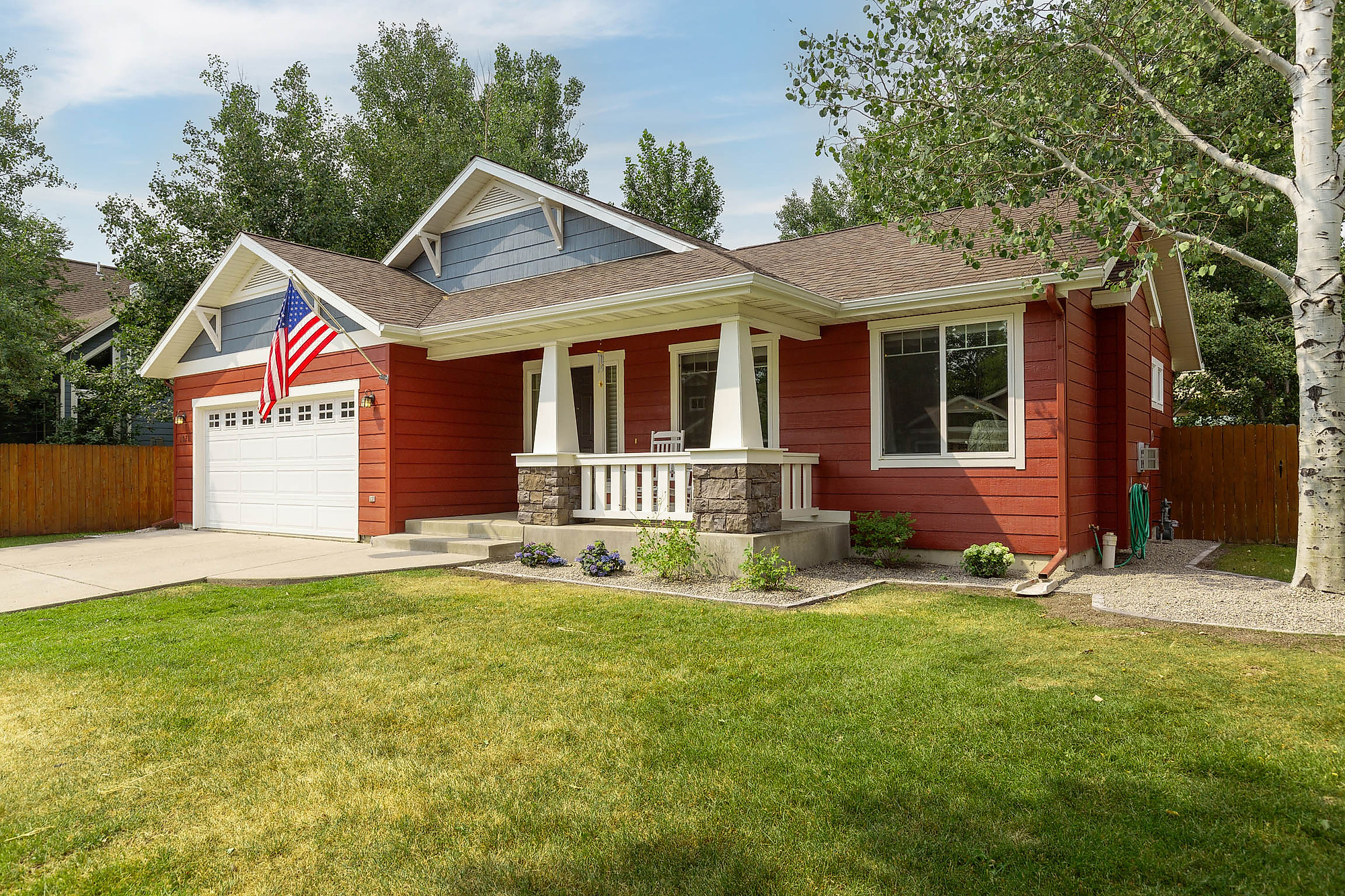
Equity is the third thing, and Montana has a lot of it. In ATTOM’s second-quarter 2026 home equity report, 59% of mortgaged homes in Montana were equity-rich, meaning the owner owed no more than half of what the home is worth. That’s the second highest share in the country, behind only Vermont, and the national figure was 41.1%.
So where are all the bank-owned homes and foreclosures, then? Honestly, outside of a very small handful, I just don’t see them around here, and I get a decent number of calls from people wanting me to find them one. Unless someone bought in the last few years, the equity growth in this valley usually means they can list right at what they paid, or at least for enough to stay out of a foreclosure or a short sale.
Why people keep moving to Bozeman
The fourth is the simplest one, and it’s on the buyer side. People still want to live here. I’ll be honest with you, the boom is over, and the version where you waived the inspection and went $40,000 over asking on a house you’d only seen in pictures probably isn’t coming back. Gallatin County still grew from about 119,000 people at the 2020 census to an estimated 128,700 in 2025, and the city of Bozeman grew close to 10% over that same stretch, based on Census Bureau estimates.
For most of the people I sit down with, what brings them here is how short the drive to everything is. The Bridger foothills are about 15 minutes from downtown, you can be standing in the Gallatin River inside an hour, and Bridger Bowl is about 20 minutes north of town. Instead of planning a long weekend around skiing or fishing, you end up doing it on a Wednesday after work.
You can see that demand in what homes cost here. The income it takes to buy a home in Gallatin County sits above what a typical household here earns, and that’s been true for years. Prices only run that far ahead of local wages when a lot more people want into a market than there are houses for them, and I think that’s a big part of why this market went flat instead of falling.
Renting instead of selling in Bozeman
Back on the seller side, when you see more listings and slower sales around here, I wouldn’t read that as owners being stuck or desperate. The fifth thing holding this market together is that a lot of sellers can just rent the house out instead, and it’s the reason so many Bozeman homes come off the market without ever selling.
Say someone bought their house here in 2019 or before. Their payment got set on a price a lot lower than what the home is worth today, at a rate they probably won’t see again, and that same house rents for right around $2,700 a month as a three-bedroom, with a four-bedroom getting closer to $4,000 depending on where it is. If the price they want doesn’t come through, they have another option besides cutting it, because renting it out pays them every month, and in a lot of cases that makes more sense for them anyway.
Renters are the reason that works better here than in most places. A lot of the demand comes from people working at Montana State University, at the hospital, and at employers that have been adding jobs here for years, and they tend to sign 12-month leases and stay.
Where the cracks are showing in the Bozeman market
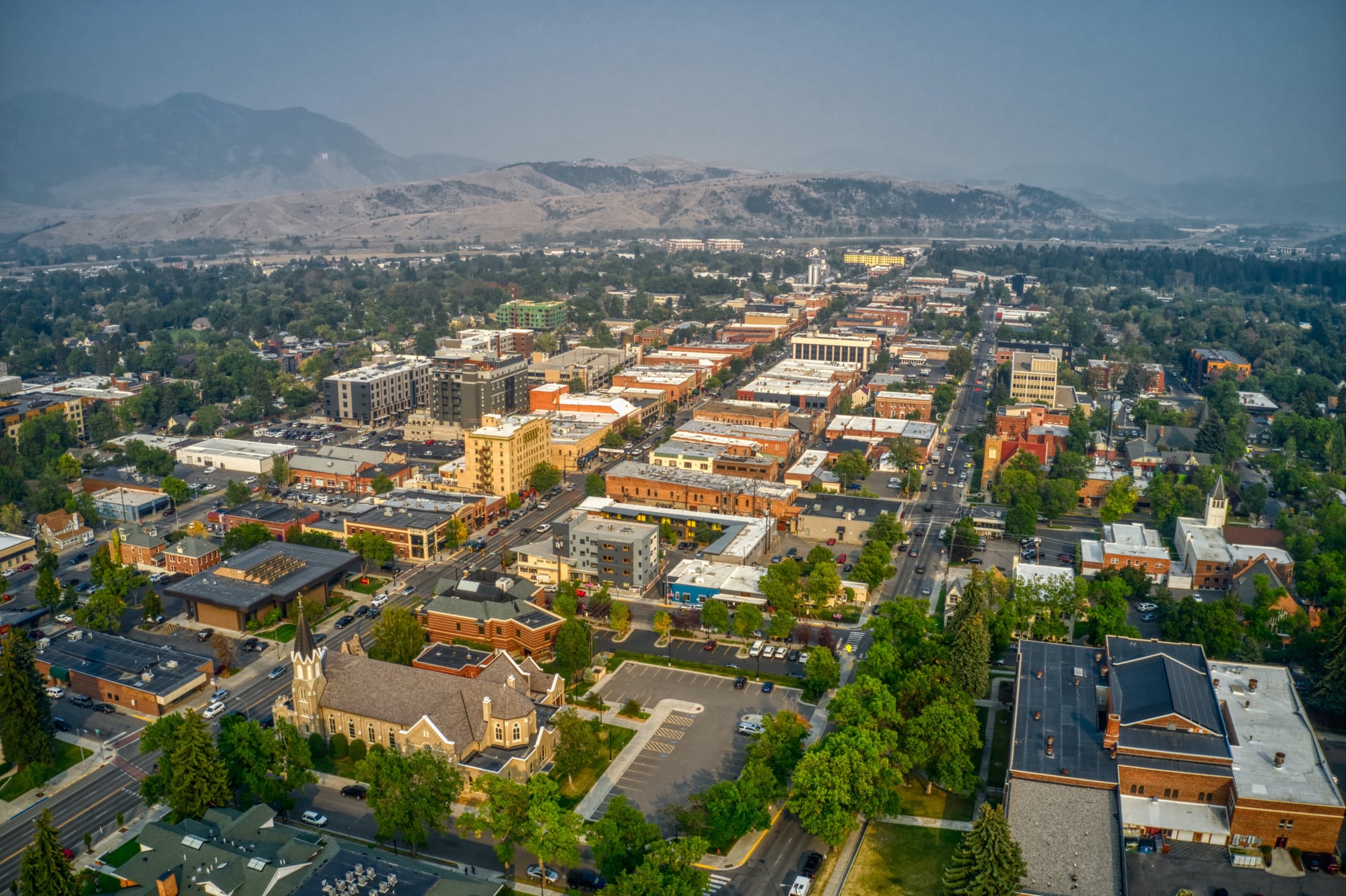
Here’s the part of this market where things really are softening. The clearest one is condos and townhomes inside Bozeman city limits, where the price per square foot fell about 14% from September 2025 to September 2026. Across the valley, a condo took a median of 49 days to go under contract that September, more than double the time it took a year earlier.
Step just outside the city into the surrounding Bozeman area, the acreage and newer neighborhoods that wrap around town, and there were about 10% more single family homes for sale at the end of September than a year before. New contracts were down about 23%, which put that area at about 5.9 months of inventory, right on the edge of where buyers start to get the upper hand. If you’re buying this fall, those two segments are where I’d expect you to have the most room to negotiate. I track the area-by-area numbers each month on my Bozeman real estate market report.
Why buying a home in Bozeman still feels expensive
Most of the answer, I think, is the cost of owning. The 30-year mortgage rate was 7.32% in Freddie Mac’s survey on October 22, 2026, against 6.19% a year earlier, and on a $600,000 loan that difference adds about $450 a month in principal and interest. Montana homeowners insurance went up about 18% on average in 2025, according to Insurify, and the 2026 property tax bills are going out under Montana’s new rules. Even where a price comes down a little, the payment can still go up. You can run your own numbers on my mortgage calculator.
What it would take for Bozeman home prices to fall
I’d say it would take a lot more owners who have to sell coming on the market faster than buyers can take those homes. That would look like three things happening together, starting with more of the bank-owned homes I almost never see. Inventory in the surrounding Bozeman area would also have to push past six months and stay there, with new contracts still falling through the winter. If all three start happening at once, I think prices would have to respond, and I’ll tell you if I see it.
Choosing between a lower price and a seller concession
If I were buying in Bozeman right now, I’d stop trying to time the whole market and look hard at the one house in front of me. I’d want to know what similar homes nearby closed for, how long this one has been listed, and whether the seller could just rent it out if my offer comes in low, because an owner who could get $3,000 or more a month renting probably isn’t going to drop much further.
When a builder is offering a temporary buydown or a seller concession, I’d want to know the payment when it ends, and I’d make sure I could carry that payment without counting on a refinance. After that, I’d compare a lower price against a seller concession using the same numbers, looking at the cash it takes to close, the payment over time, and what I’d be giving up in each version. A lower price gets you a smaller loan, and that savings stays with you as long as you own the house. If you’re tight on cash up front, though, the concession can end up mattering more, so I’d run both before picking a direction.
Planning a Bozeman purchase around your payment and your life
In this valley, I’d say a softer market shows up in the terms and in how long homes sit well before anyone sees a big drop in price. For a buyer, that means a lot of the money you can save right now comes from the seller covering your closing costs, which you’d never see by looking up what a house sold for. Working out concessions like that is a big part of my week, and it’s how we plan a purchase in the Montana Move Method, around a payment you’re comfortable carrying and the life you want here once you’ve moved.
Prefer to watch?
All five things, plus where the cracks are showing, are in the video below.

If the video doesn’t load, you can watch it here on YouTube.
For everything a purchase here costs beyond the price, I’d watch What It REALLY Costs to Buy a Home In Bozeman next.
Bozeman housing market crash: quick answers
Will the housing market crash in Bozeman, Montana?
The Bozeman housing market isn’t showing the signs of a crash, because prices mostly stopped moving instead of falling. From 2022 through 2025, the yearly median across the Gallatin Valley sat within a few thousand dollars of the same spot, and as of September 2026 it was down about 3% for the year, the first real dip since prices flattened.
How much are seller concessions in Bozeman right now?
Seller concessions in Bozeman usually run $5,000 to $10,000 when the buyer is financing, at almost every price point, which covers most or all of the lending costs as of fall 2026. On a home that has been sitting a long time, buyers can sometimes negotiate 3% of the price and occasionally up to 6%.
Is it better to rent out a Bozeman home than to sell it?
Renting a Bozeman home out instead of selling often makes sense for owners who bought in 2019 or earlier, since their monthly payment usually sits below what a tenant would pay. As of 2026, a three-bedroom house in Bozeman rents for around $2,700 a month, and a four-bedroom can get closer to $4,000.
Why are there so few foreclosures in Bozeman?
Foreclosures are rare in Bozeman because most owners hold a lot of equity. In ATTOM’s second-quarter 2026 report, 59% of mortgaged homes in Montana were equity-rich, the second highest share in the country, so most Bozeman owners who need to sell can list for at least what they owe.
Is Bozeman a buyer’s or seller’s market right now?
Whether Bozeman favors buyers or sellers depends on the property type and the area. In September 2026, condo and townhome prices per square foot inside city limits were down about 14%, valley condos took a median of 49 days to go under contract, and the surrounding Bozeman area held about 5.9 months of inventory.
What signs would show Bozeman home prices are about to fall?
Bozeman home prices would likely fall only if forced sellers started outpacing buyers. Three signs would show it together, which are more bank-owned listings, inventory in the surrounding Bozeman area holding above six months, and new contracts still dropping through the winter. As of September 2026, surrounding-area inventory sat near that line at about 5.9 months, while bank-owned listings stayed rare.
Why is it so expensive to buy a house in Bozeman right now?
Buying a house in Bozeman feels expensive mostly because of the monthly cost. The 30-year rate averaged 7.32% on October 22, 2026, about $450 a month more on a $600,000 loan than a year earlier, and Montana homeowners insurance rose about 18% in 2025, so payments can climb even when prices dip.
Should I ask for a lower price or seller concessions in Bozeman?
Choosing between a lower price and seller concessions in Bozeman depends on your cash and your payment. A lower price shrinks the loan and saves money for as long as you own the home, while concessions cover closing costs up front. Running both versions with the same numbers shows which one fits better.
Want to run your numbers on a specific house?
If there’s a Bozeman house you’re watching, or you’re trying to figure out whether to ask for a lower price or concessions, I’d be glad to work through it with you. Book a call with me and we’ll look at what similar homes closed for, what the seller’s other options are, and what each version of an offer does to your payment. If you’d rather start on your own, my free Bozeman buyer’s guide walks you through your own situation.
More for Bozeman buyers and sellers
A note on these numbers: Montana is a non-disclosure state, so real sold prices are not public. The figures here come from Big Sky Country MLS via Domus Analytics and reflect actual closed transactions, which is why they differ from estimates on public listing sites.