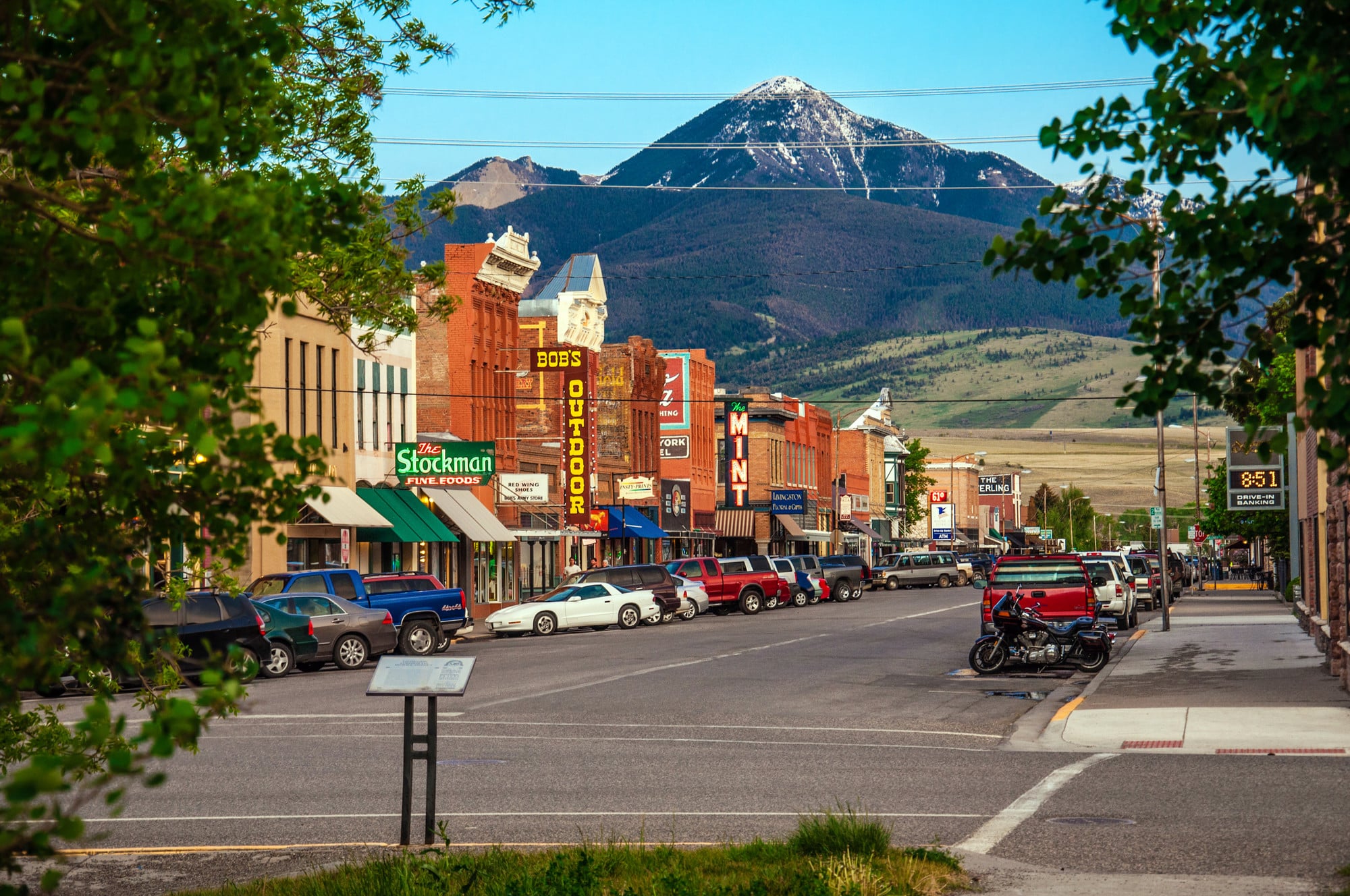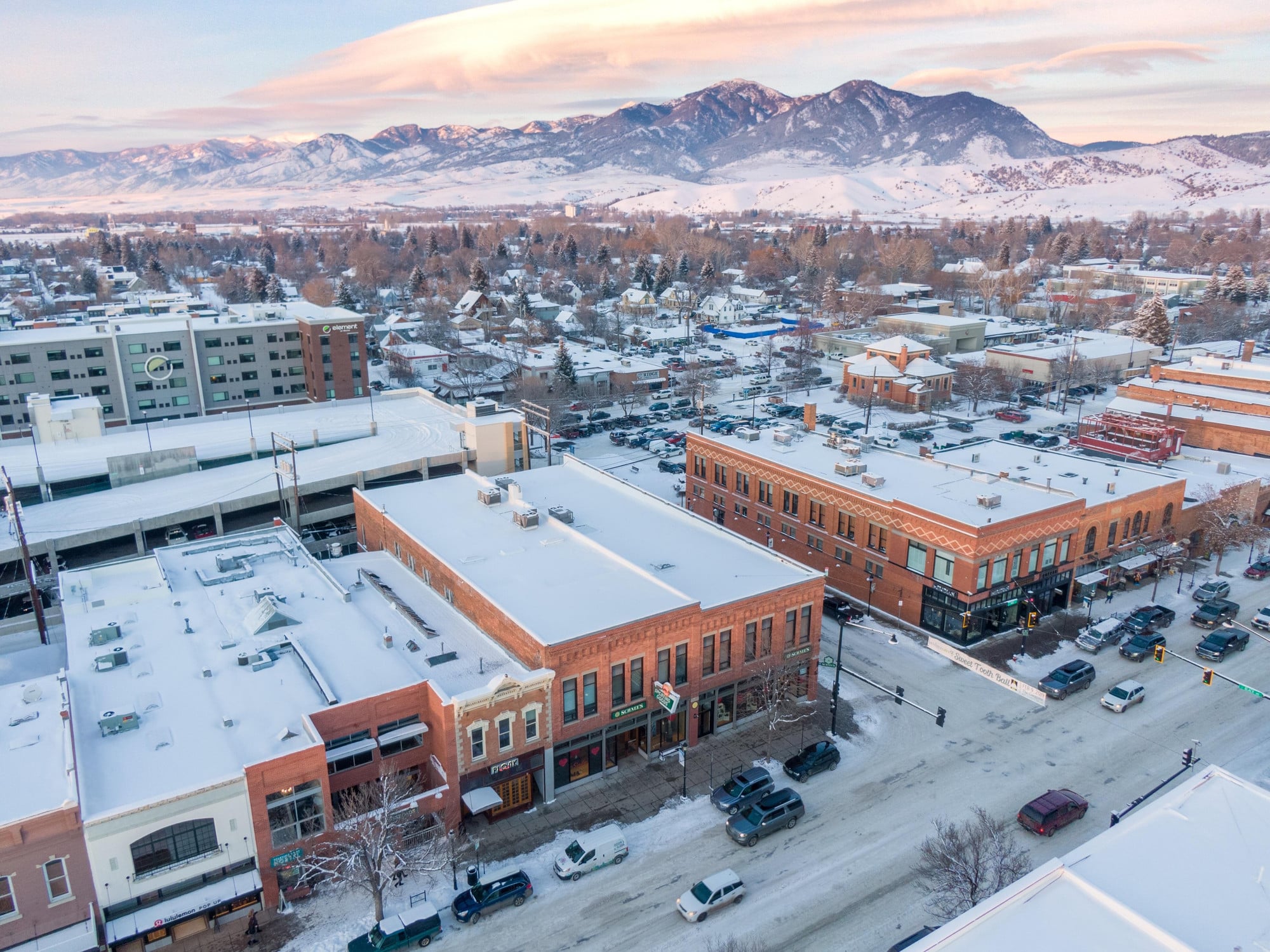
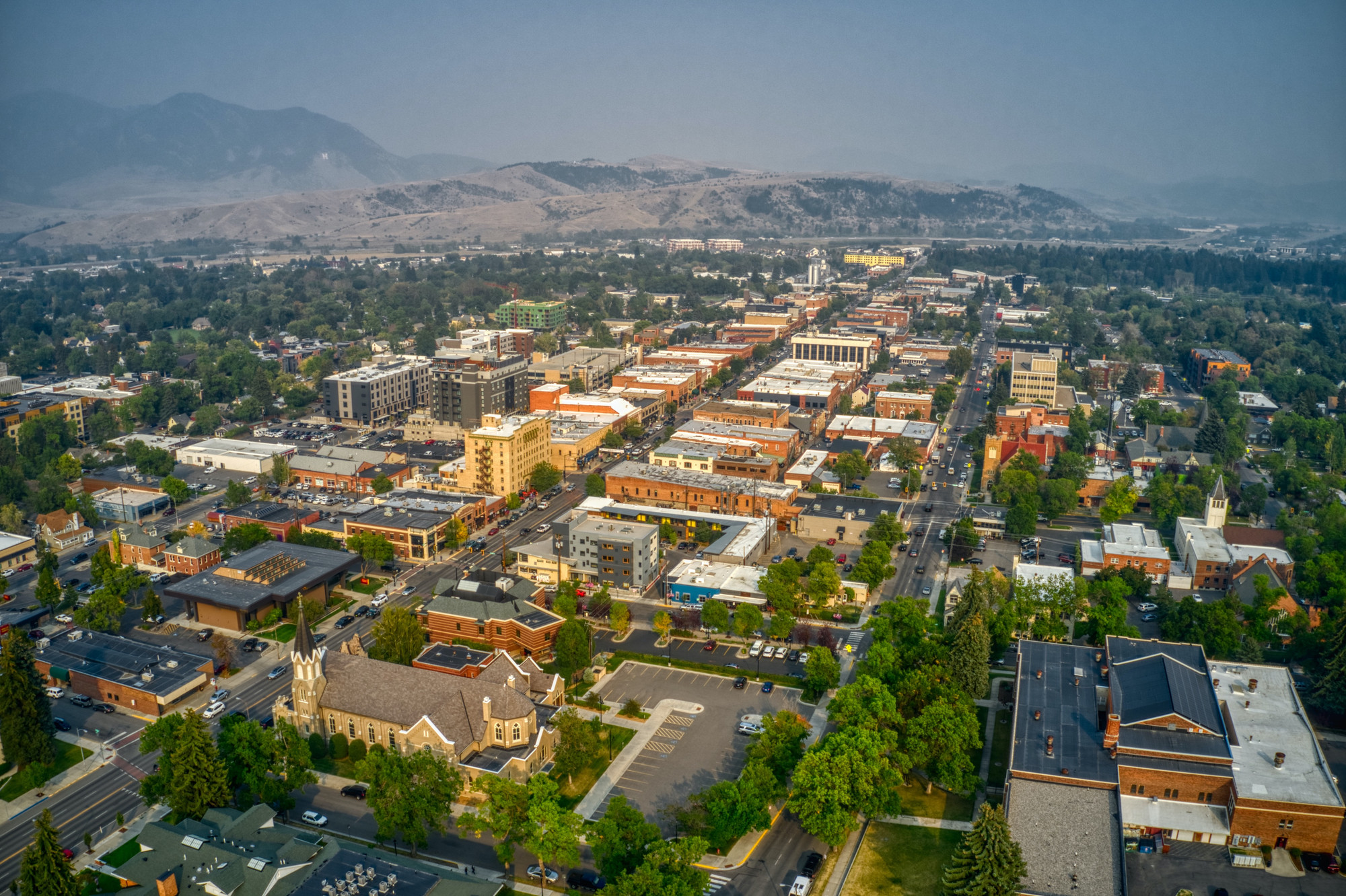
People ask me constantly which part of Bozeman they should be looking at, and the honest answer depends on their life rather than on which neighborhood sounds most impressive. Below are the five most active areas in the city right now, plus one just outside city limits that most people overlook.
I’ll also show you the single pattern connecting every area here that holds long-term value. Once you know what that is, the choice gets a lot clearer.
Rather listen than read? I rank all six on camera: The Most Active Neighborhoods in Bozeman.
The short version
Every high-demand area in Bozeman has at least one of two things underneath it: lifestyle access or geographic constraint.
Median inside city limits sits around $790,000, and nearly 40% of single-family sales in the greater Bozeman area recently closed above a million.
Areas sitting on the market right now are usually priced at a premium without either anchor beneath them.
What are the most in-demand neighborhoods in Bozeman?
The Bridger Canyon corridor, south side Bozeman, downtown, the north side, and the west side are the five most active areas in the city, with Four Corners just outside the limits as the overlooked sixth. Demand isn’t spread evenly across them, and the areas holding price share a specific structural advantage rather than a reputation.
The pattern underneath every area that holds
Before the list itself, here’s what explains why some pockets keep moving while others sit. Every high-demand area in Bozeman has at least one of two things beneath it.
Lifestyle access means you can reach the mountains, the trails, or downtown in under fifteen minutes, and that reach defines everyday life rather than being a bonus. Geographic constraint means a combination that can’t be recreated. You can’t move Montana State University, add trail connections into the south side’s existing fabric, or extend Bridger Canyon. When demand for something fixed keeps growing, price has one direction to move.
So what about the areas sitting right now? They’re usually priced at a premium without one of those anchors under them. Find an area you love that has both, and that’s where your money should go.
5. The west side
Number five doesn’t mean weak, it means more nuanced. This is Bozeman’s fastest-growing quadrant. Gallatin High opened here and accelerated development almost immediately, Northwest Crossing broke ground with 700-plus planned residences, and Ferguson Farm brought the walkable town center feeling the west side had wanted for years.
The bones of a real community are here, and the area is still growing, so you’re buying potential as much as established character. Homes run from the mid $600,000s into the $800,000s and well above. For a buyer who wants newer construction, nearby schools, and room for a neighborhood to mature around them, it’s worth a serious look, with clear eyes about what’s built versus what’s coming.
4. Downtown Bozeman
Most people are surprised this isn’t first. South Wilson, Bogert Park, and the historic blocks off Main carry premium pricing for a real reason: you can leave your front door, come back with dinner and coffee, and have a conversation you didn’t plan on, without touching your car.
The Midtown corridor between 7th and downtown proper is in a transformation story right now, with new density and mixed-use development coming that will change the character fast. Inventory downtown is consistently the thinnest in the city and consistently the highest price per square foot. Historic homes come with trade-offs, and what you’re buying is a lifestyle premium, the most expensive version of it in Bozeman.
3. The north side
A lot of people overlook this one. The Riverside corridor and the Springhill area give you large lots, mature landscaping, and Bridger views without the full Bridger Canyon price tag.
Northeast Bozeman is a different situation entirely. It used to be the industrial part of town and it’s changing fast, with Treeline Coffee, Wild Crumb, Mountains Walking, and Story Mill Park. Buyers are landing there because it’s the most eclectic pocket in the city and price points still come in below the highest-demand areas. If you want established character and mountain proximity in an area still evolving, without being priced out of everything worth living near, the north side deserves a real look.
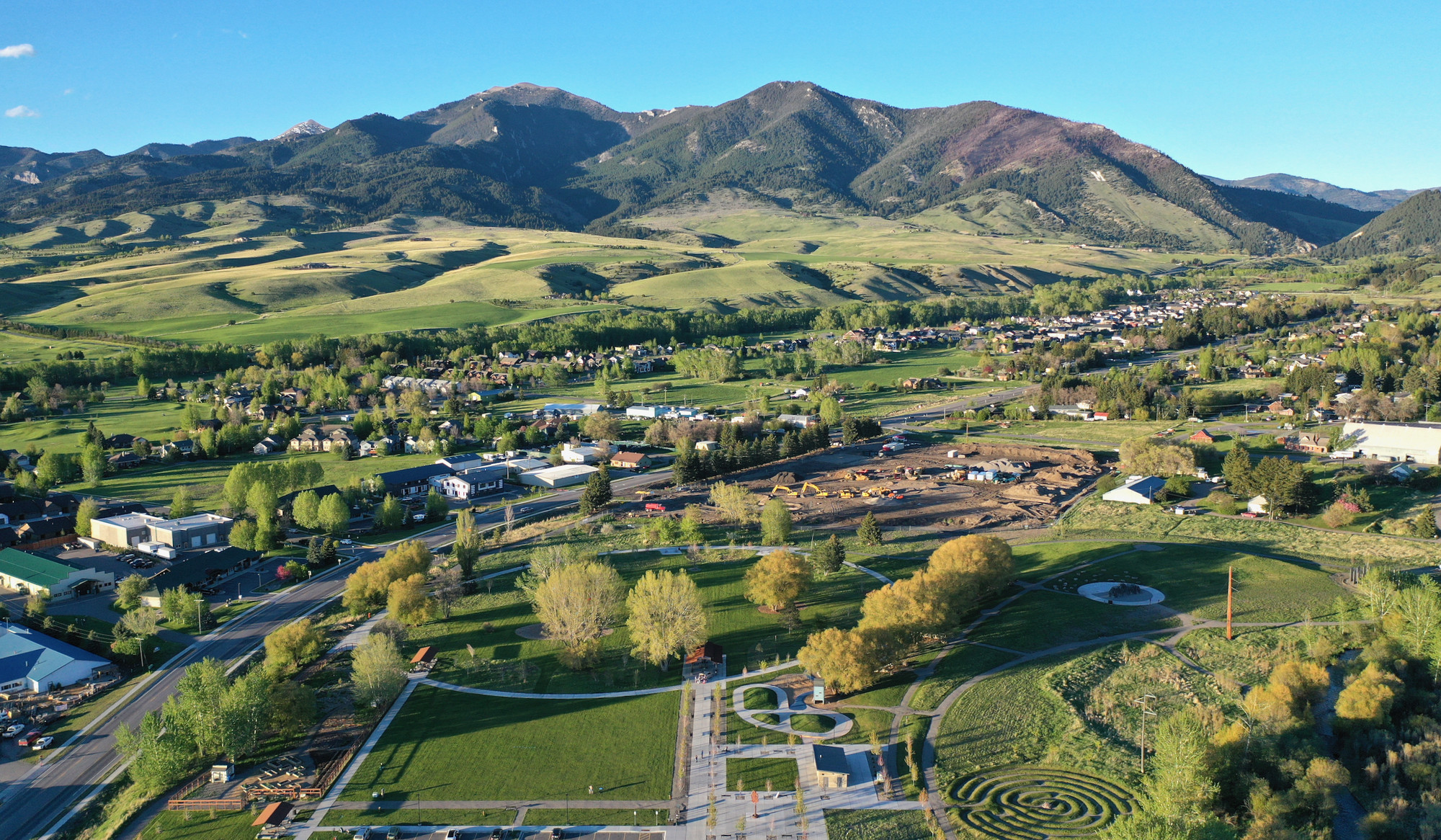
2. South side Bozeman
If you’ve spent time here this won’t surprise you. South of Kagy between 19th and Sourdough is the most consistently in-demand pocket in the city. You’re five minutes from MSU, ten from downtown, the Gallagator Trail runs through these neighborhoods connecting you to Main Street on foot or bike, and Hyalite Canyon is out the back door. Alder Creek, Meadow Creek, Southbridge, and Sundance Springs are all established neighborhoods with real character.
It works for buyers who want MSU nearby, outdoor access, and a bike ride to work. When one area checks that many boxes across multiple buyer profiles, demand doesn’t leave, and that makes this one of the steadiest value holds in the city across market conditions.
1. The Bridger Canyon corridor
Number one is for buyers who know exactly what they came here for. Bridger Canyon Road heads northeast toward the Legends at Bridger Creek, the Headlands, Creekwood, and Bridger Bowl. You’re roughly sixteen miles from the ski area with the M and Drinking Horse trailheads right there, among custom homes, rustic modern architecture, and generously sized lots.
That road is the only way in, so supply carries a consistent hard ceiling. You can’t build east or west into the mountains and you can’t relocate the trailheads. Inventory stays thin because the people who live up here want to stay. If you moved to Montana for the mountains and want to feel that daily, the lifestyle anchor here is as strong as it gets in the valley.
Bonus: Four Corners
I’d be leaving something out if I stopped at five. Four Corners sits where Huffine and Jackrabbit meet just west of the city. You’re ten minutes to Bozeman, ten to Belgrade, ten to the airport, and under an hour from Big Sky. If your life pulls you in multiple directions across the valley, that might be the most practical position available.
Homes generally run lower than inside city limits on larger lots. What Four Corners doesn’t have yet is the established identity of the top five, which is also the opportunity, since you’re getting in ahead of the density and the next wave of buyers. Bozeman’s city limits keep expanding west toward it.
The honest read for buyers and sellers
Buyers choosing an area on price alone, without a lifestyle anchor beneath it, are taking the most risk, because that’s where prices soften first when the market shifts. Sellers pricing at a 2022 premium in a 2026 market are in a similar spot, and the average sale-to-list ratio in Bozeman ran 94.8% in 2025. Overpriced homes sit, and sitting almost always costs more than adjusting early.
For buyers who understand the pattern, this is one of the better windows the valley has offered in years, with more inventory than we’ve seen since 2019. If you already own here and you’re thinking about moving up, your equity is real, and the question becomes whether you have a sequence that makes the next move clean.
Six areas, six lifestyle profiles, and one thing the top performers share. Find the anchors that match your life and the decision gets much clearer. Weighing that against what your money does over the next decade is the point of the Montana Move Method, and you can browse the individual communities in our Bozeman subdivisions guide.
Prefer to watch?
Here’s the full ranking on camera, plus the bonus area.

If the video doesn’t load, you can watch it here on YouTube.
Bozeman neighborhoods: quick answers
What is the most in-demand neighborhood in Bozeman?
The Bridger Canyon corridor carries the strongest lifestyle anchor in the valley, with a single access road capping supply permanently. South side Bozeman is the most consistently in-demand pocket inside the city because it works for the widest range of buyers.
Why do some Bozeman neighborhoods hold value better than others?
Areas that hold value have either lifestyle access, meaning mountains, trails, or downtown within fifteen minutes, or geographic constraint, meaning a position that can’t be recreated. Neighborhoods priced at a premium without one of those anchors are the ones sitting on the market.
Is the west side of Bozeman a good place to buy?
The west side suits buyers who want newer construction, nearby schools, and a neighborhood that will mature around them, with homes running from the mid $600,000s into the $800,000s and above. You’re buying potential as much as established character, so go in clear about what’s built versus what’s coming.
What is the most affordable area near Bozeman?
Four Corners, just west of city limits, generally runs below Bozeman prices on larger lots while sitting ten minutes from Bozeman, Belgrade, and the airport. The north side of the city is the more attainable option inside the limits.
Is downtown Bozeman worth the premium?
Downtown carries the thinnest inventory and the highest price per square foot in the city, and what you’re paying for is a walkable lifestyle rather than square footage. It’s worth it for buyers who will genuinely use it several times a week.
Are Bozeman sellers still getting their asking price?
The average sale-to-list ratio in Bozeman ran 94.8% in 2025, meaning correctly priced homes still move while overpriced ones sit. Sitting almost always costs a seller more than adjusting the price early.
Tell me what your week looks like
Describe an ordinary Tuesday and an ordinary Saturday and I can usually name the two areas worth your time. Book a call with me and we’ll work through which anchors your money should be buying at your number.