
The first showing for your home isn’t when a buyer walks through your front door. It’s a buyer lying in bed at ten o’clock on a Tuesday night, pulling your home up on their phone, and deciding in about thirty seconds whether they’ll ever come see it in person.
So what makes that person stop and book a showing instead of scrolling past you? That’s the whole game. There are two things you have to get right before you sell, and getting both right means your home sells fast and close to your listing price. Miss on either and you become the listing that sits for months while the price grinds you down.
Rather listen than read? I walk through both on camera: What to Do Before You Sell Your Bozeman Home.
The short version
Your buyer decides what your home is worth, not what you paid or what your neighbor got in 2022.
Montana is a non-disclosure state, so consumer sites can show you what’s for sale and never what anything sold for.
When a home sits here, it almost never comes down to the home itself. It comes down to price and presentation, and both are yours to control.
What should you do before selling a house in Bozeman?
Read your local market first by studying what’s for sale in your immediate pocket and how long those homes sit, then get the real closed numbers from the MLS since Montana doesn’t make them public. After that, turn a buyer’s eye back on your own home and fix what makes you hesitate. Price and presentation decide whether a home sells or sits, and both are within your control.
Most sellers get pricing backwards
People pick a number for what they think their home is worth, then go hunting for proof to back it up. It works the other way around. Your buyer decides what your home is worth, and it doesn’t matter what you paid, what you poured into it, or what your neighbor got in 2022. The price is whatever somebody will really pay in your neighborhood today. Everything else is an opinion.
The good news is you can figure out most of this before anybody sets foot in your home, and that homework makes every decision after it easier: the conversation with your agent, what you fix, and the number you land on.
How to read your own market
Pull up Redfin, or Zillow if you prefer, and zoom way into your own area. Don’t look at all of Bozeman, just your pocket of it, because the tighter you zoom the more honest the picture gets. Look at every home for sale near yours, the pictures, the asking prices, and the condition. You’re building a mental picture of what you’d be up against if you listed right now.
One Montana thing changes how this exercise works. We’re a non-disclosure state, so when a home sells here the price never reaches the public and you won’t find it on Redfin or Zillow the way you would elsewhere. Those sites are excellent for one thing, which is seeing what’s for sale and how long it sits before going pending. What you can’t see is what anything truly sold for.
And the automated valuations? Being honest with you, one can get you in the ballpark, but only when a home a lot like yours sold recently and very close by, and it leans on tax records that are wrong more often than you’d hope. Treat those numbers as a loose hint rather than something you’d set a price on. The real number lives in our local MLS, which is the only place closed sales exist in Montana, and pulling what homes like yours are truly selling for is a quick conversation even months before you list.
One more thing to watch: how long homes sit before going pending. If they’re taking a couple of months, buyers have time and they’re in charge. When they’re going pending in a week or two, you have room to push on price.
Now turn that eye on your own home
This is where sellers lose money without ever seeing it happen. Go back to those listings, open the ones that sold fast and close to asking, then open the ones that sat and cut their price repeatedly. The difference should jump right out.
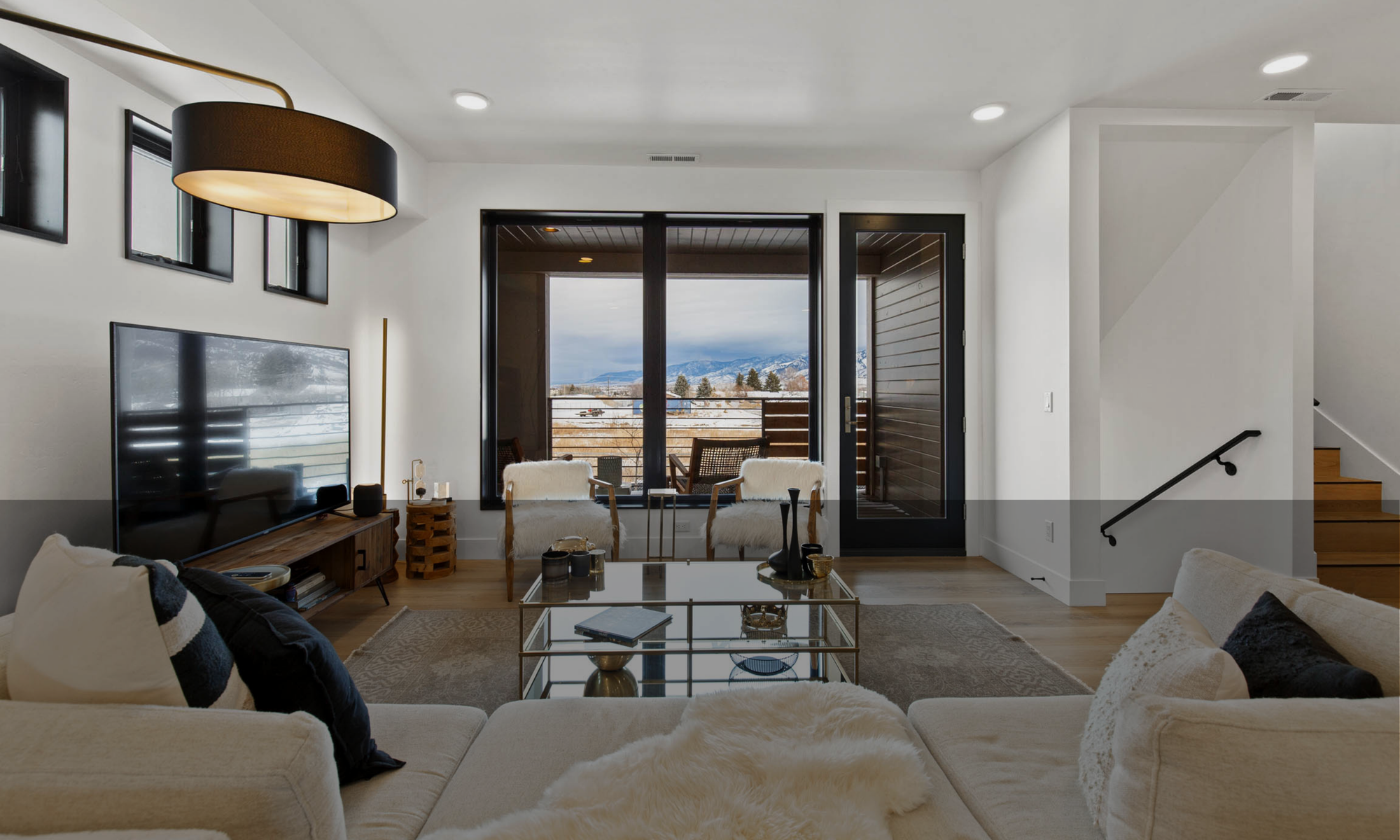
The homes selling fastest around here share a few things, and none of it means remodeling your kitchen. They look clean, really clean in every picture, down to the baseboards, the windows, and the grout. People spending this kind of money have high expectations, and a home scrubbed before the photo shoot reads completely differently from one that wasn’t.
They also feel a little blank in a good way. No family pictures on every wall, no big collections, no room that screams somebody’s hobby. Why does that matter? Because you want the buyer picturing their life in your home, and the moment they start thinking about the people who live there now, you’ve lost them. Box up the personal things before anybody points a camera.
The pictures are bright and shot by a professional. An easy way to spot a bad photo shoot is blown-out windows, just white glare where a mountain view should be, which means they exposed for the wrong thing. In Bozeman that’s a wasted frame, because if you have a view like that, half the reason somebody is buying is the view.

The mistakes that cost just as much
Biggest of them is a listing that starts strong and falls apart. A clean living room, then a bathroom stuck in 2005, or a garage buried in boxes. Buyers judge your whole home by its worst picture, so don’t give them a bad one to think about.
Don’t ignore the obvious problems either. If you won’t fix the worn carpet or the dated kitchen, your price has to account for it, because pretending it isn’t there won’t make a buyer miss it. They’ll just push harder on the number.
Staging is the piece sellers underrate most, especially on an empty or dated home. You can feel the energy walking into a house and buyers feel it too, since an empty or tired place sits there flat while a set-up one feels warm, and warm gets somebody imagining their life inside. Do you have to stage everything? No. A bright, updated home can show great as is. An empty, dated home is where staging earns its money.
And get a good agent in early, even a year or two out, somebody who will walk your home with you and tell you plainly what’s worth doing and what’s a waste. That early walkthrough is a big part of how I work, long before a sign goes in the yard.
The one thing that decides whether a home sells or sits
When a home sits in Bozeman, the seller almost always blames the wrong thing: the dated kitchen, the busy road, the season, a buyer who flaked. Here’s what’s really going on, and it’s the opposite of where most people point. A home that sits almost never comes down to the home itself. It comes down to how you priced it and how you presented it, and those are both things you can control.
Let me prove it with price. I could list your home for a dollar and it would be gone by the weekend, and nobody would care about the dated kitchen or the busy road. Same house, same flaws, same week of the year, with only the number changing. So when a home sits for months here, the market is telling you the price is too high for what the home is right now, and the kitchen and the road are just where sellers point instead of hearing it.
Price isn’t always the thing you drop, though. A lot of the time the real fix is presentation, so the home earns the price you want. Get the pictures right, price it at what buyers will really pay, and both levers pull the same direction.
Who comes out ahead
The sellers who did this homework, walked their home like a stranger would, fixed the obvious things, and hired somebody who shoots real pictures. Those homes sell faster and closer to asking than anything out there. The ones who get left behind listed on a hope, which worked a few years back when homes flew off the market no matter what, and doesn’t work now. Plenty of homes sat last year and never sold, because buyers have time and they’re using it to be picky.
Here’s why this matters for you. If you’ve owned five years or more, you’ve built real money in this home, and doing this work is how you protect it. That equity is what funds whatever comes next, whether that’s a bigger home, a simpler life, or a move out of this valley. Planning for the equity and for the life on the other side is the whole point of the Montana Move Method.
Your homework
Walk through your own home like a buyer seeing it for the first time, room by room, and note what makes you hesitate. Some of those fixes are easy and usually free. The bigger items are worth a real conversation about whether the money comes back to you at closing. That list is where a real plan starts.
Prefer to watch?
Here’s the full version on camera.

If the video doesn’t load, you can watch it here on YouTube.
Selling in Bozeman: quick answers
Why can’t I see what homes sold for in Bozeman?
Montana is a non-disclosure state, so sale prices never become public record and consumer sites cannot display them. The local MLS is the only place closed sales exist, which is why an agent can pull real numbers that no website can show you.
Are Zillow estimates accurate in Montana?
Automated valuations can land in the ballpark when a very similar home sold recently and nearby, and they lean on tax records that are frequently wrong. Treat them as a loose hint rather than a basis for your asking price.
Why isn’t my Bozeman home selling?
A home that sits almost never sits because of the home itself. It comes down to price, presentation, or both, and price is the faster lever, since the same house at a low enough number sells immediately regardless of its flaws.
Is staging worth it when selling in Bozeman?
Staging earns its money most on empty or dated homes, where the rooms otherwise read flat in pictures and in person. A bright, updated home with good furniture already in it can usually show well as is.
How do I know if my listing photos are good?
Check whether the windows are blown out to white glare where a mountain view should be, which means the photographer exposed for the wrong thing. In this market a wasted view shot is a wasted frame, since the view is often half the reason somebody buys.
When should I talk to an agent about selling?
A year or two out is not too early, because that gives you time to plan repairs and decide what’s worth doing without pressure. An early walkthrough is the cheapest way to avoid spending money that never comes back at closing.
Which room worries you most?
If you’re on the fence about selling, that’s usually the honest starting point. Book a call with me and we’ll walk your home together, on the phone or in person, and sort what’s worth doing from what isn’t.