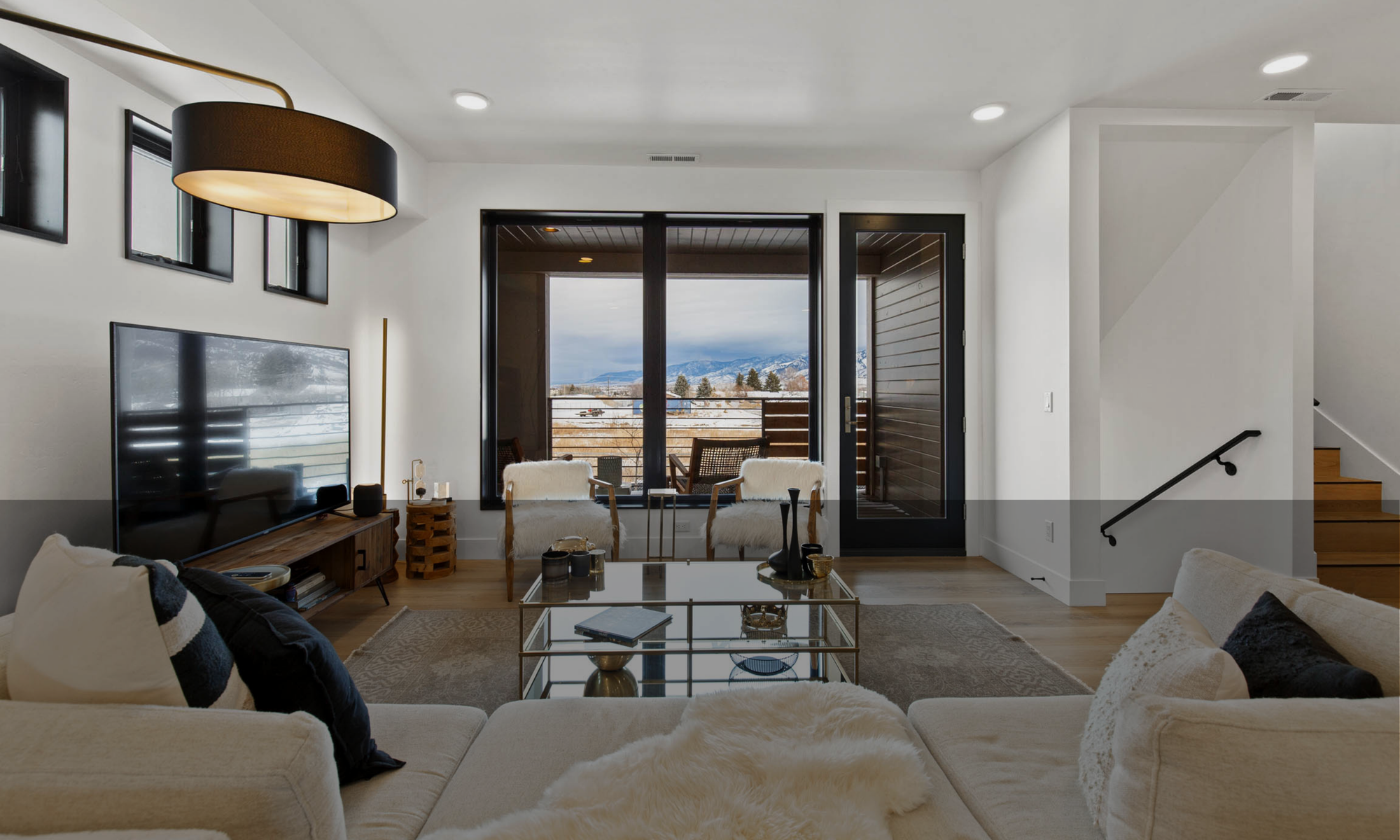

The first showing for your home isn’t when a buyer walks through your front door. It’s a buyer lying in bed at ten on a Tuesday night, pulling your listing up on their phone, and deciding in about thirty seconds whether they’ll ever come see it in person.
So what makes that person stop and book a showing instead of scrolling past? Two things have to be right before you sell, and getting both right is what separates a home that moves close to asking from the listing that sits for months while the price grinds it down. Most of the work is free and you can start tonight from your couch. At the end I’ll get to the one thing that decides whether a home sells or sits, and it isn’t what most people think.
Rather listen than read? This runs across two videos: reading your market and how your home actually stacks up.
The short version
Your buyer decides what your home is worth, and Montana’s non-disclosure status means the sold prices that set value aren’t public.
Homes that sell fast look clean in every picture, feel a little blank, and are shot by somebody who knows how to expose for a mountain view.
When a home sits, it’s almost never the house. It’s the price and the presentation, and both are yours to control.
The listing picture mistakes that cost real money
The first is a listing that can’t hold it together. It starts strong with a nice shot of the front, a clean entryway, a bright living room, then you turn a corner into a bathroom that hasn’t been touched since 2005, a bedroom with things piled everywhere, or a garage that looks like a storage unit. Buyers judge your whole home by its worst picture, so don’t hand them a bad one.
Next is virtual staging, where furniture gets dropped digitally into an empty house. It’s cheaper than real staging and looks fine on screen, and when a buyer books off those pictures and walks into an empty house the letdown hits immediately, turning a curious buyer into a doubting one. If you do it, make sure your agent discloses it up front, ideally in the photo itself. Another is too many exterior shots before you show the inside, since if your first dozen frames are the front from six angles plus the driveway, a lot of people close the listing before reaching the good part.
The last one I see constantly around here: the seller doesn’t deal with the obvious problem. A bathroom that clearly needs work, carpet worn to nothing, a kitchen stuck in another decade, and the pictures just show it sitting there ignored. If you won’t fix it, your price has to account for it, because pretending it isn’t there won’t make a buyer miss it. It only makes them push harder on the number.
Staging, and getting an agent in early
Staging is the piece sellers underrate the most, especially on an empty or dated home. You can feel the energy walking into a house and buyers feel it too, even when they couldn’t tell you why, since an empty place or one full of tired furniture sits there flat. Do you have to stage every home? No, because a bright, updated house with good furniture already in it shows fine as is. An empty or dated one is where staging earns its money. Then get a good agent in early, even a year or two out, so somebody can walk your home with you and say plainly what’s worth doing and what’s a waste.

Reading days-on-market numbers correctly
You’ll see these quoted a couple of different ways, and it helps to know why. In the spring market the typical single-family home in the county has been selling in about two weeks, and sellers who price it right get close to 98% of asking. You’ll also see slower figures, something like 35 days on market and closer to five percent under asking. Both are real, and they measure two different things.
Our market has seasonality, and nobody here is in a hurry to move in the middle of February, so late winter and early spring run slower, which is where the slower figure comes from. The thing that actually trips people up has nothing to do with the calendar, though. That slower figure usually lumps every property type together, condos and townhomes included, and those sit longer on average than single-family homes. A pile of condos on the market drags the average way up, and then a seller with a house reads that number and panics over nothing.
So when somebody hands you a days-on-market number, ask two things before you trust it: what season is it from, and what property type is it counting. A condo number from February tells you almost nothing about your house in June.
The one thing that decides whether a home sells or sits
Here’s the most important idea on this page. When a home sits in Bozeman, the seller almost always blames the wrong thing: the dated kitchen, the busy road, the season, a buyer who flaked. What’s actually true is the opposite of where most people point. A home that sits almost never comes down to the home itself. It comes down to how you priced it and how you presented it, and both of those are yours to control.
Let me prove it with price. I could list your home for a dollar and it would be gone by the weekend, with nobody caring about the dated kitchen or the busy road. Same house, same flaws, same week of the year, and the only thing that changed is the number. So when a home sits for months here, the market is telling you the price is too high for what the home is right now. The kitchen and the road are just where sellers point instead of hearing it.
Price isn’t always the number you drop, though. A lot of the time the real fix is the pictures and the presentation first, so the home earns the price you want. Priced right with rough pictures, a home never gets the showing and it sits. Beautiful pictures on too high a price get you walkthroughs and no offers. You need both pulling the same direction.
Who comes out ahead, and your homework
The sellers winning right now in any season are the ones who did this prep: pulled the real numbers, walked their home like a stranger would, fixed the obvious things, and hired somebody who shoots real pictures and actually markets the place. Those homes sell faster and closer to asking than anything else out there.
Sellers getting left behind listed on a hope. A few years back that worked, because homes flew off the market regardless. It doesn’t fly now. Over a thousand listings in this county gave up last year without selling at all. Buyers have time and they’re using it to be picky.
Here’s why this matters to you specifically. If your home is in decent shape and you’ve owned it five years or more, you’ve built real money in it, and doing this work is how you hold onto that money. That equity is what funds whatever’s next, whether that’s the bigger place, the simpler home, or a move out of the valley.
So your homework: walk through your own home like a buyer seeing it for the first time, room by room, and note what makes you hesitate. Some of those fixes are easy and free. The bigger items are worth a real conversation about whether the money comes back to you at closing. That list is where a real plan starts, and building it around both the equity and the life it funds is the whole point of the Montana Move Method.
Prefer to watch?
Part one covers reading your market.

Part two covers how your home stacks up on looks.

Preparing to sell in Bozeman: quick answers
How do I find out what homes sold for in Bozeman?
Montana is a non-disclosure state, so closed sale prices are never made public and don’t appear on the consumer listing sites. The local MLS is the only place those numbers exist, which means getting them requires a conversation with an agent who has access.
Are online home value estimates accurate in Montana?
Automated valuations can get you in the ballpark only when a very similar home sold recently and close by, and they lean on tax records that are frequently wrong. Because Montana withholds sold prices from the public, those tools have less to work with here than almost anywhere else.
What makes a Bozeman home sell fast?
Homes that sell quickly look genuinely clean in every picture down to the baseboards and grout, feel depersonalized enough that a buyer can picture their own life inside, and are photographed by somebody who exposes correctly for the mountain views. Pricing to what buyers will actually pay is the other half.
Is home staging worth it in Bozeman?
Staging earns its money on empty or dated homes, which photograph and show flat without it, by giving rooms a purpose and the buyer something to respond to. A bright, updated home with good furniture already in place usually shows fine as is.
Why isn’t my Bozeman home selling?
When a home sits, it’s almost never the kitchen, the road, or the season. It’s the price relative to what the home currently is, or presentation that isn’t earning the price, and both of those are within your control.
How long do homes take to sell in Bozeman?
Single-family homes in the county have been selling in roughly two weeks during the spring market, with correctly priced sellers getting close to 98% of asking. Slower figures usually come from late winter or from data that lumps condos and townhomes in with houses.
Thinking about listing?
The walkthrough is worth doing a year out, not a month out. Book a call with me and I’ll walk your home with you and tell you plainly which items get their money back at closing and which ones don’t.