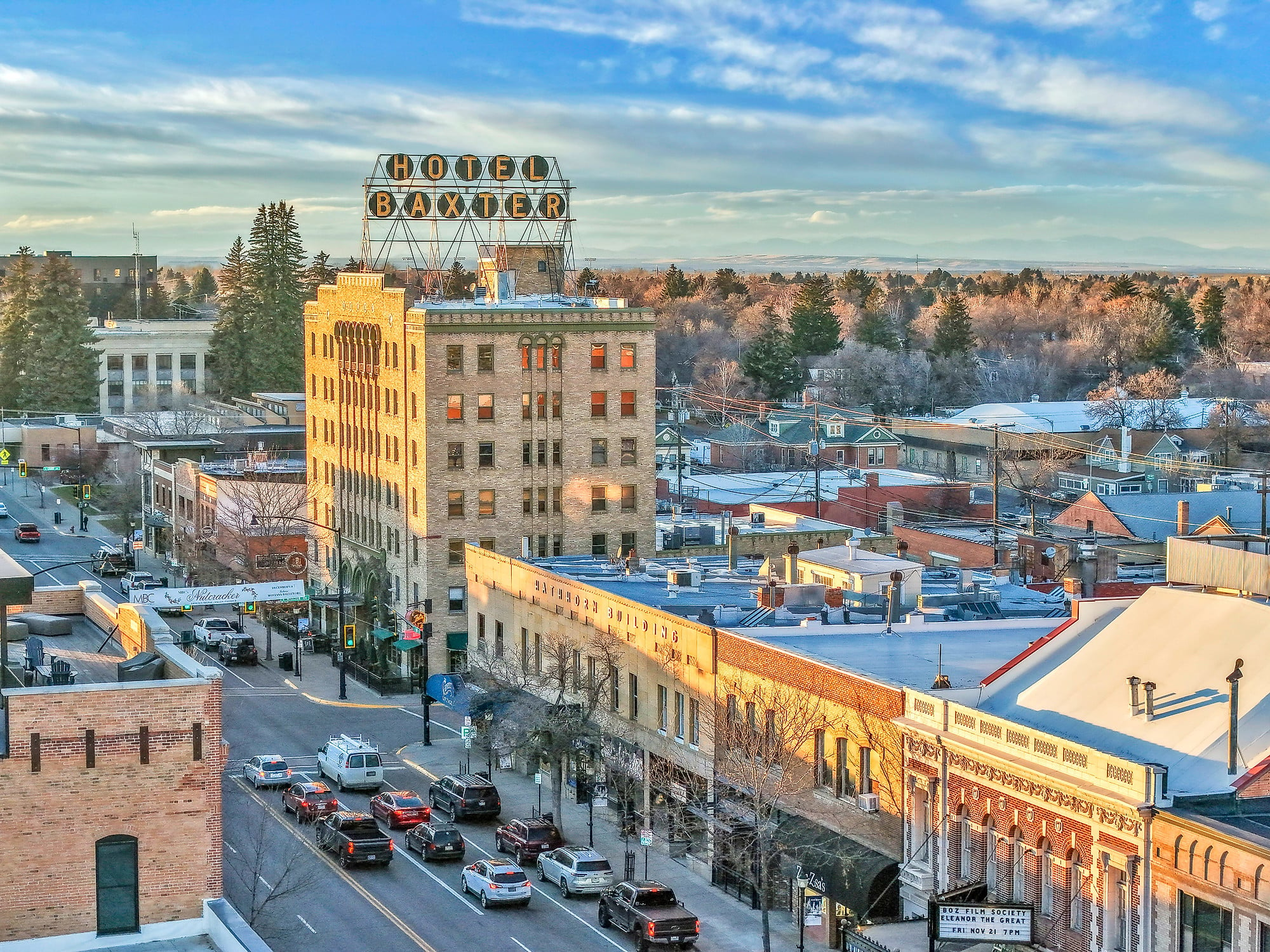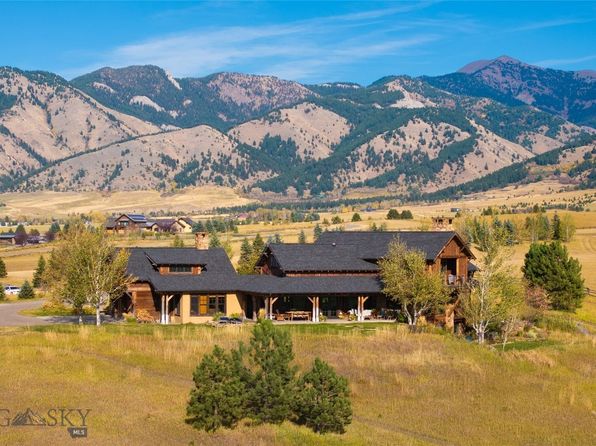
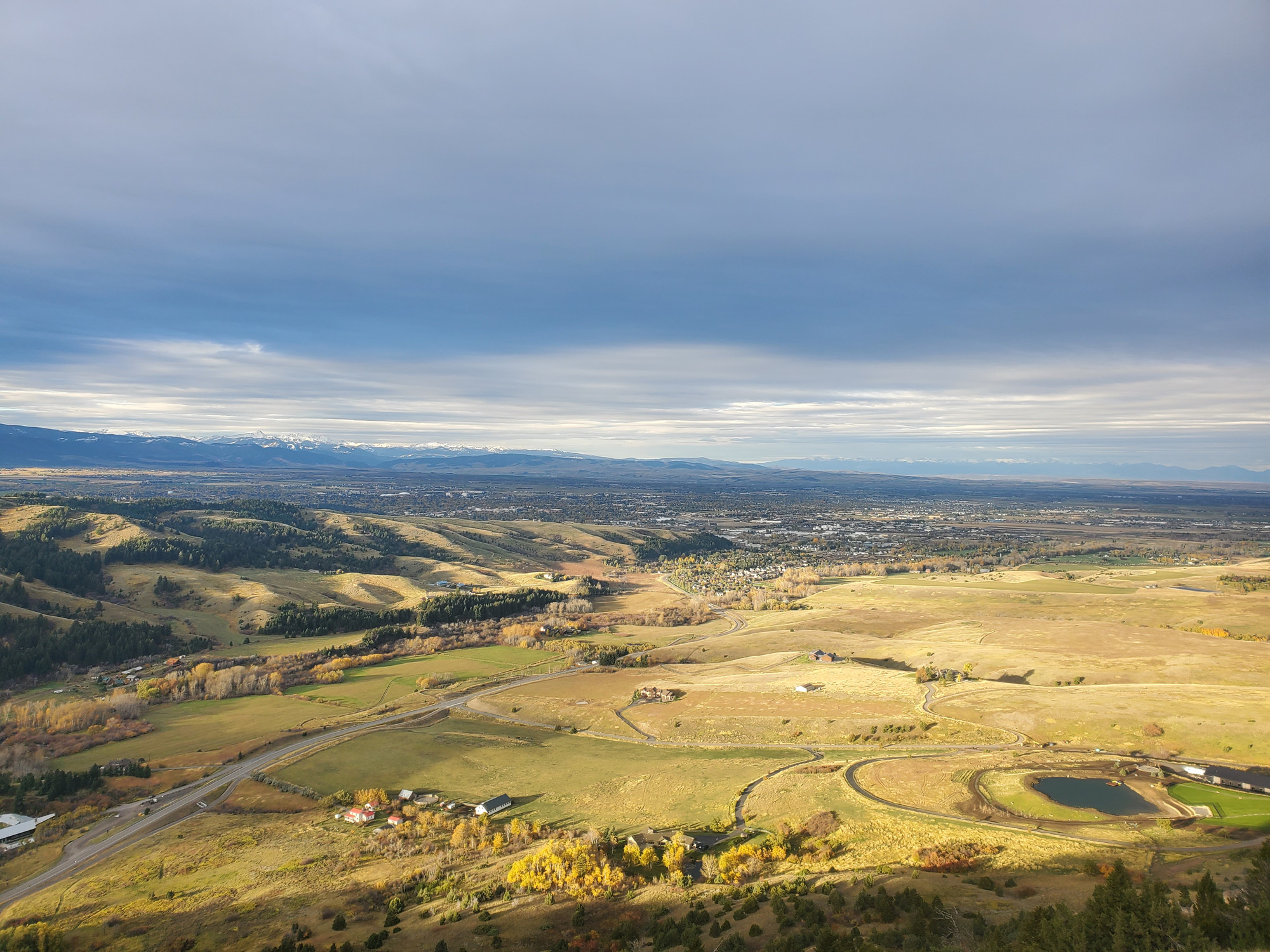
Most people see Montana for the first time in July or August, and that’s when this place is at its best. The rivers are running, it’s 70-something degrees out, and a lot of buyers decide on the spot that this is where they want to be. Some of them buy that same summer, make it through two winters, decide it isn’t for them, and that’s usually when they find out what they really paid.
I see out-of-state buyers make the same five mistakes over and over, and most of them start in that first summer. Back in 2016 I moved to the Gallatin Valley from Southern California, so I’ve been the buyer looking at all of this for the first time, and nearly every one of these mistakes is something you can check in an afternoon before you write an offer.
If you’d rather hear me walk through all five, it’s on camera in What They DON’T Tell You About Montana Real Estate.
The short version
Buyers in Montana most often get hurt by misreading the market, missing a recorded easement, skipping water rights, calling an insurance agent too late, and judging price by where they moved from.
Getting homeowners insurance on a Montana property in the trees can be hard and expensive, so call an agent the same week you find the home.
Most of the Gallatin Valley sits in a basin closed to new water rights, and exempt-well rules for subdivisions tightened in 2024 and again in 2026.
A Montana home’s value gets set by what has closed nearby, and the buyers who forget that usually find out the day they sell.
What should you know before buying property in Montana?
Before buying property in Montana, confirm what nearby homes have sold for, a recorded easement for the road in, the well and water rights, whether the home can be insured at a price you can live with, and whether internet works at the address. Most of those checks take a phone call or a few minutes of research, and skipping them is where out-of-state buyers lose the most money.
1. Reading the Montana market from the outside
I had clients run into this one recently. They found a house they really loved that had only been on the market a few days, and since they’d been hearing how often homes are sitting now, they figured they could get aggressive with their offer. Then another offer came in, and the seller countered both buyers right back to about the original list price. My clients were sure the seller was bluffing, the seller meant every word of it, and the other buyer got the house.
Homes here might sit a little longer than they did a few years ago, and this is still a very active market. When you love a house, there’s a good chance somebody else does too, especially on a more niche property, and those buyers are out there looking whether you see them or not.
Who the listing agent works for
Part of what makes the market hard to read from outside is who most people call first. You find a house online and call the number on the listing, and that’s the listing agent, whose job is to get the seller the best price they can. They’re not going to tell you the house is priced too high, and I don’t think that makes them dishonest, since it’s simply who they work for.
What you need is somebody on your side pulling every sale around that house, so you know what it’s worth and how hard you can push before you write anything. If you’re planning an aggressive offer because you’ve heard the market is slow, look at what homes like that one sold for first, because the market around one particular house can be a lot busier than the headlines make it sound.
2. Assuming the road in gives you legal access
Out of town, on the acreage and canyon properties most people picture when they think about living in Montana, the second mistake is assuming the road you drove in on is a road you have the right to use. What protects you is legal access, meaning a recorded easement that gives you the right to use that road every day for as long as you own the place. A driveway alone doesn’t prove you have one.
I’ve seen properties with a perfectly good driveway and nothing on paper to back it up. That’s the kind of problem you don’t want to discover when you go to refinance or sell, because a lender or the next buyer’s title company may not be comfortable with it either.
There’s one more check here, and it costs nothing. Before you tour any property, pull it up on the satellite view in Google Maps and zoom out a little. The listing pictures only show the side of the house the seller wants you to see, and zooming out is how you find a gravel operation next door, a road cutting across the back of the lot, or a trail running along the property line. If nobody can show you a recorded easement for the road you’d be driving every day, I’d stop there until somebody can.
3. Assuming you can drill a well and use the water
Outside of a town in Montana, the water is on you, and that usually means a well. How deep does a well have to go out here? It depends entirely on where you are, and up in the mountains it can go deep enough to change what the whole project costs. The Montana Bureau of Mines and Geology keeps a public database of well logs, the Ground Water Information Center, where you can look up how deep the neighbors had to drill and how much their wells produce. On a piece of bare land, that’s about the best preview you’ll get.
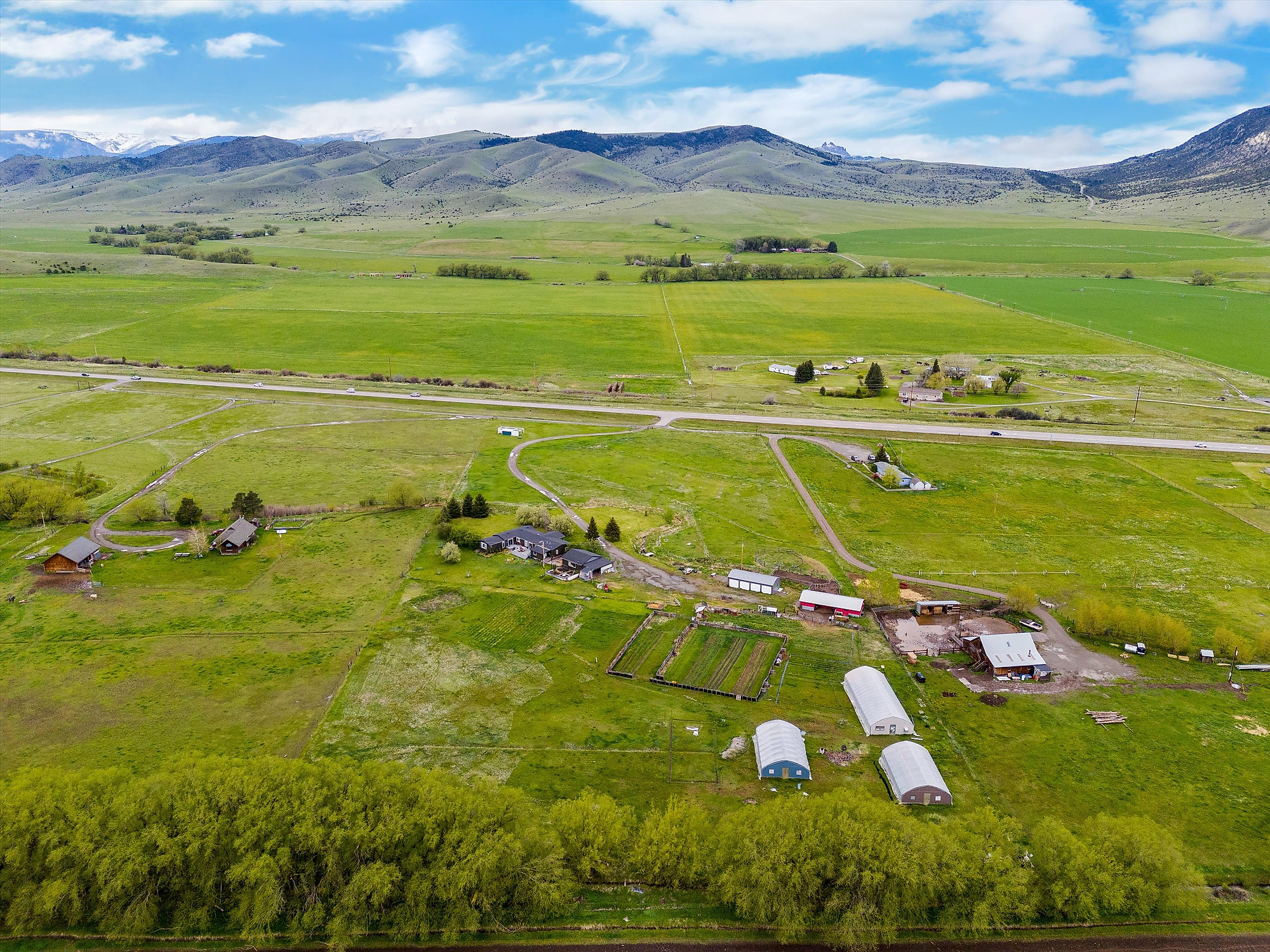
Closed basins and water rights near Bozeman
The part that surprises people most is whether you’re even allowed to use that water. A good share of Montana sits in river basins the state has closed to new water rights, and the Gallatin Valley is one of them. Most homes outside town run on a smaller exempt well, which Montana allows without a full water right as long as it stays at or under 35 gallons per minute and 10 acre-feet a year.
Those rules have tightened, especially in subdivisions. A 2024 court ruling means every lot across all phases of a multi-phase subdivision shares one 10 acre-foot limit, so some subdivisions may not have enough exempt water to serve every home. Since January 1, 2026, anyone planning a new exempt well also has to file a notice of intent with the Montana Department of Natural Resources and Conservation and get it approved before using the water. People have bought lots planning to drill and then found out it wasn’t that simple, and land with no legal water means hauling it in, which gets expensive fast and makes the property hard to sell later.
If you’re buying land or a home on a well in a newer subdivision, get the water right confirmed in writing before you close. When somebody tells you it’ll be fine, ask them to show you why.
Water testing and internet, the two checks buyers skip
Most of this is homework you can finish in the first few days. Once you’ve pulled the nearby well logs, I’d plan on testing the water no matter what they say, since a private well has nobody testing it but you. After that, check internet service at the actual address. A lot of people skip that because they’ve heard Starlink works just about everywhere, and for the most part it does, and it’s changed what’s possible out here.
The dish needs a clear view of the sky, though, and the property people fall for in Montana is usually tucked into the trees or up against a ridge, which is exactly where it has the hardest time. Someone streaming a show at night might never notice, while a connection that drops every few minutes is a real problem when your job is video calls all day. The Starlink app has a Check for Obstructions tool, so stand where the dish would go during the showing, hold your phone about where it would be mounted, and it’ll tell you how much of the sky is blocked in a few minutes.
4. Calling an insurance agent too late
Those trees matter for a second reason. The fourth mistake is waiting until you’re under contract, or worse, until after the inspection, to call an insurance agent, and it can end a deal on a house you can easily afford. Whatever insurance the seller has doesn’t come with the home, so you’re applying fresh as a new owner, and after the fires across the West in recent years, a lot of insurance companies have gotten much pickier about where they’ll write a new policy in wildfire country.
So how do they decide? Less of it is about your house than most people expect. Insurers look at the timber and brush around you, whether a fire truck could realistically get up your road, and the distance to the nearest station that would respond. Clearing your own lot and building with materials that don’t burn helps, and you should do it regardless, but for a lot of properties the decision gets made on the whole area, and even a well-built home surrounded by miles of forest can come back with a no.
When the standard companies say no, what’s left are specialty insurers that will cover it for a lot more money, and I’ve seen those quotes come in high enough to change what the house costs every month. If you’re financing, your lender won’t close without a sufficient policy. I had a client buying a home in the foothills outside Bozeman, and when we called around, exactly one company would write a policy on it, and it was expensive. Nobody I’ve worked with has been turned down outright yet, and given what’s happened around the canyons here since the Bridger Foothills Fire in 2020, which burned more than 8,000 acres and about 30 homes, I wouldn’t be surprised if that day isn’t far off.

Hail and denied roof claims
How a claim gets handled matters as much as getting the policy, and hail is common in Montana. On one purchase I worked, the seller had filed a roof claim, and multiple inspectors and roofers could all point to hail damage on the shingles, even on the greenhouse, and trace it to a specific storm. Her insurance company denied it anyway. I felt bad for her, and I was representing the buyer, so we still negotiated a roof replacement into the deal.
When you’re buying, look hard at the roof during the inspection, ask the sellers about past claims, and read what your new policy covers on hail, since even documented damage isn’t guaranteed to be covered. If you’re looking at anything in the trees, call an insurance agent the same week you find the home, before you even schedule an inspection, because if it can’t be insured at a price you can live with, nothing else on your checklist matters.
5. Judging price by where you moved from
The last mistake goes back to those August buyers, and it doesn’t cost you anything until the day you sell. Summer is when most out-of-state buyers are here looking, so it’s also when buyers compete the hardest. Put that next to where you’re moving from. Coming from Southern California or Seattle, a lot of Montana can look like a bargain, whether it’s Bozeman, Billings, Missoula, or a smaller town like Belgrade, because the same house back home might cost twice as much, and that makes it easy to stop asking whether this particular house is priced right.
It happens in reverse, too. Buyers from less expensive parts of the country tend to decide everything here is overpriced, and I’ve had clients miss out on homes they loved because they wanted to negotiate hard with a seller who had no reason to. Either way, what a house is worth gets set by what’s been selling around it, and your old zip code has nothing to do with it.
Selling after the 2021 and 2022 rush
What you overpaid usually doesn’t show up until you sell. The clearest example is the people who bought at the height of the rush in 2021 and 2022, when nearly everything was going over asking. This year I’ve had past clients who bought condos and townhomes back then sell for less than they paid, because that part of the market has come down, while most single family homes I’ve seen are landing around break-even.
New construction is pulling on resale values too. In some of Montana’s faster-growing towns, like Bozeman and Kalispell, there’s so much building that a resale home, especially at lower price points, is competing with brand-new houses down the street, and that’s brought values down more than most buyers and especially sellers expect. Picture all of that happening to somebody who bought in August, made it through two winters, and decided Montana wasn’t for them, because now they’re taking a loss on top of moving twice. If your sense of what a house is worth came from where you used to live, set it aside and look at what closed nearby first, since that’s what the seller is weighing your offer against and what the next buyer will pay you.
Buying in Montana for your money and your life
Nearly everything here is something you can find out while you’re still deciding, and most of it costs a phone call or an afternoon of homework. A home in Montana has to work as an investment and as the life you’re moving here for, and the buyers who check access, water, insurance, and real closed sales first are the ones who get both. That’s the balance the Montana Move Method is built around.
Prefer to watch?
The video covers all five mistakes, including both client stories and the insurance call I’d make first.

If the video doesn’t load, you can watch it here on YouTube.
Buying property in Montana: quick answers
Can you drill a well anywhere in Montana?
Drilling a well in Montana depends on water law as well as geology. Much of the state, including the Gallatin Valley, sits in basins closed to new water rights, and most rural homes rely on exempt wells limited to 35 gallons per minute and 10 acre-feet a year, with a notice of intent required since January 1, 2026.
How do I find out how deep wells are near a Montana property?
Well depths near a Montana property can be looked up in the Ground Water Information Center, a free database run by the Montana Bureau of Mines and Geology. It shows how deep neighboring wells were drilled and how much water they produce, which is the best preview available on bare land.
Is it hard to get homeowners insurance in Montana?
Homeowners insurance in Montana can be hard to get for properties in or near forest, because many insurers have tightened where they’ll write new policies in wildfire country. Rural homes near Bozeman’s canyons may only qualify with specialty insurers at much higher premiums, so buyers should get quotes before going under contract.
What is a recorded easement when buying land in Montana?
A recorded easement in Montana is a legal right, filed in the county records, to use a road or path across someone else’s land to reach your property. Having a driveway doesn’t prove legal access on its own, and missing easements can cause problems with lenders and title companies when you refinance or sell.
Does Starlink work in rural Montana?
Starlink works across most of rural Montana, but it needs a clear view of the sky, so homes in dense trees or against a ridge can lose service. The Starlink app’s Check for Obstructions tool measures how much sky is blocked from a spot in a few minutes, which is worth running during a showing.
Are Montana condo prices going down?
Condo and townhome prices in parts of Montana, including Bozeman, have come down from the 2021 and 2022 peak, and some buyers from those years have sold for less than they paid. Single family homes have held up better, and many bought during that rush are reselling near break-even.
When is the best time to buy a house in Montana?
Summer is the busiest time to buy a house in Montana, because that’s when most out-of-state buyers visit and competition is highest. Buyers who can shop in the shoulder seasons often face fewer competing offers, though well-priced homes in active areas like Bozeman can draw multiple offers at any time of year.
Talk through your Montana purchase with me
If you’re looking at property in Montana, whether that’s a house in Bozeman or acreage up a canyon road, book a call with me. We’ll go through the access, water, insurance, and pricing questions on the properties you’re considering, before any of them become a problem.
More for Montana buyers
- My free Bozeman buyer guide, which walks you through your own situation step by step
- Relocating to Bozeman, for the rest of what to plan before the move