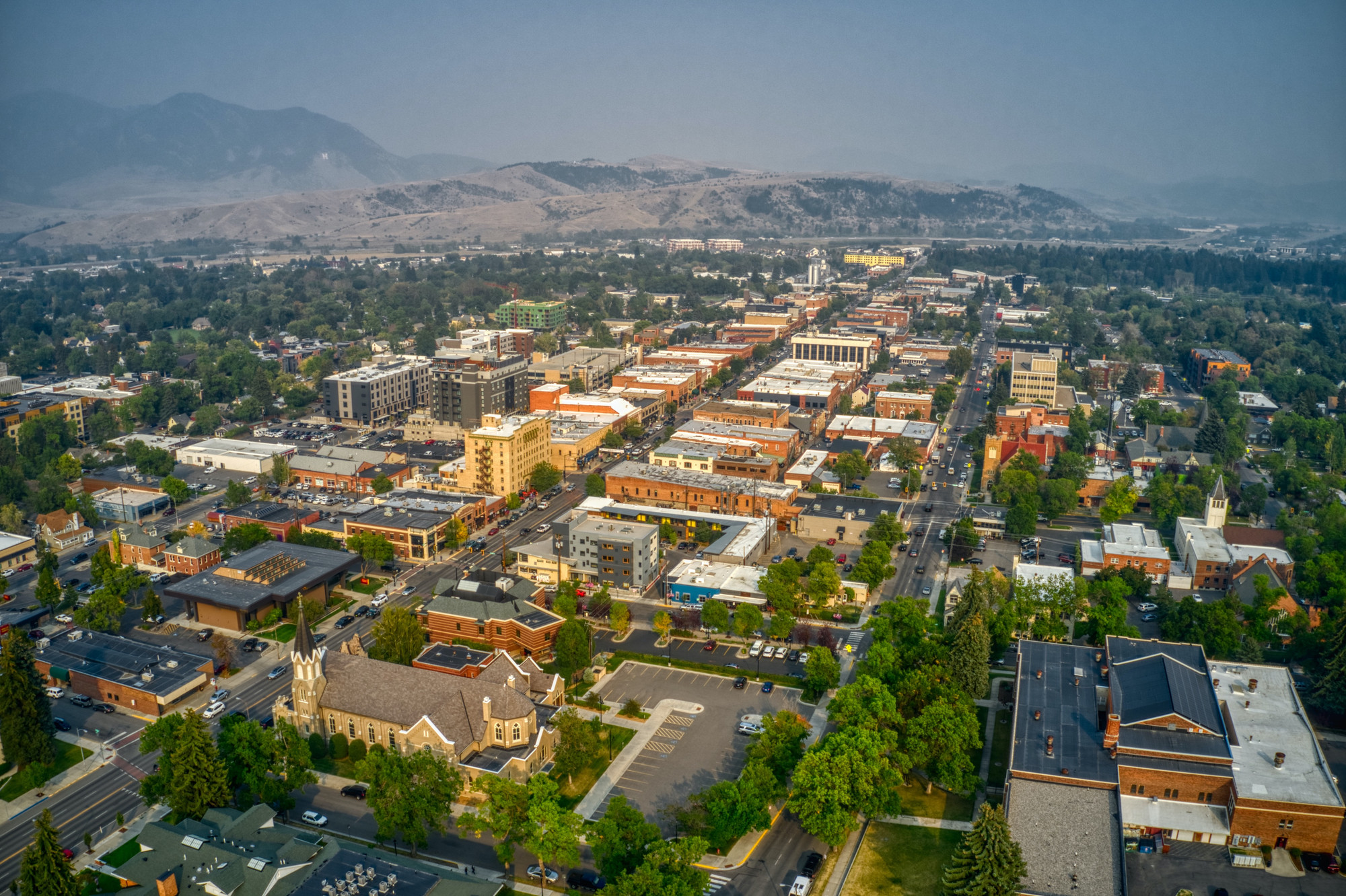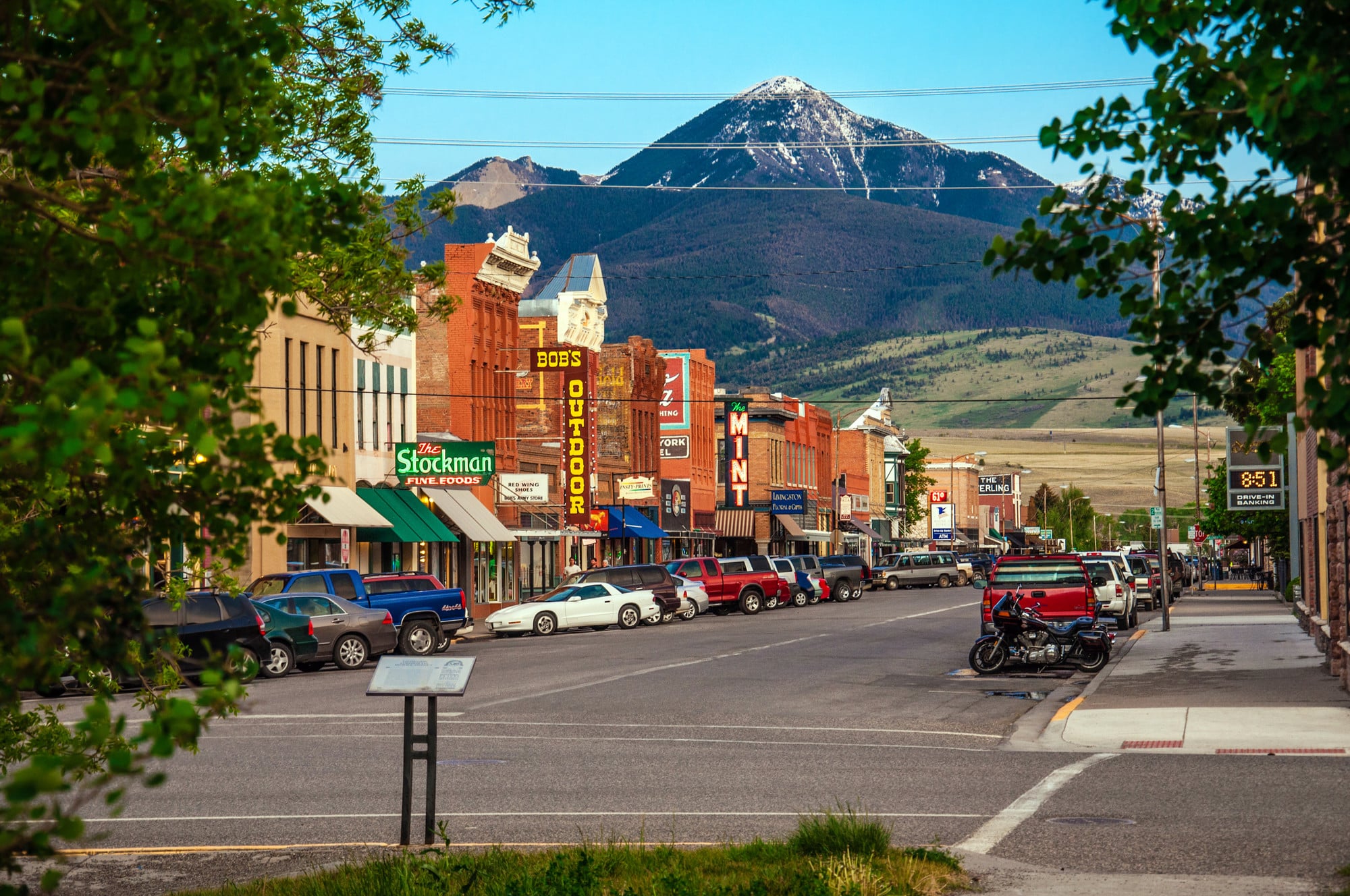
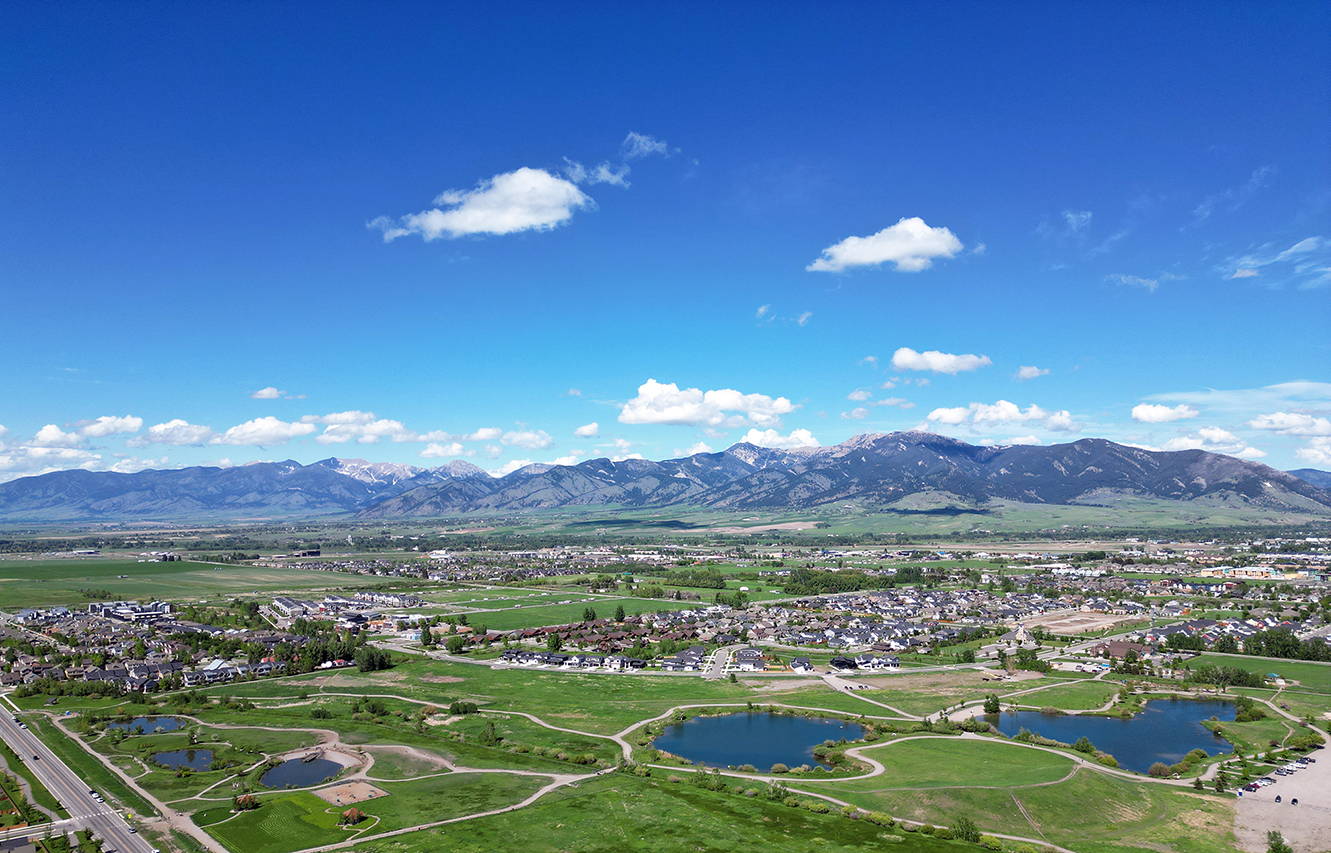
Forget opinions about the best place to live on Bozeman’s west side. Below are the five most popular subdivisions out there right now, in the area anchored by Gallatin Regional Park and Gallatin High School, plus one bonus at the end that most people are sleeping on.
Some context first. The west side used to end at the mall. Now it stretches toward Four Corners with new subdivisions, a new high school, the regional park, and a commercial corridor growing fast. This is the fastest-growing quadrant in Bozeman, and not every subdivision here performs the same. Some move quickly while others sit, and the difference comes down to something specific that I’ll show you after the list.
Rather listen than read? I walk all five on camera: The 5 Most Popular Westside Bozeman Neighborhoods.
The short version
Two things drive demand out here: proximity to Gallatin Regional Park and position in the school corridor.
The west side subdivisions sitting on the market right now are priced as though they have both anchors while being a few blocks removed from either.
Only one subdivision checks both anchors at once, which is why it’s the most sought-after address on this side of town.
What are the best subdivisions on Bozeman’s west side?
Flanders Mill leads on the west side for checking both demand anchors at once, followed by The Crossing for its position directly on Gallatin Regional Park. Baxter Meadows West offers the best school corridor position with larger lots, Harvest Creek gives you architectural consistency under enforced standards, and Valley West provides established character with mature landscaping at more accessible prices. Northwest Crossing is the growth play if you can see five to ten years out.
5. Valley West
For the west side, this is the original. Valley West was one of the first major subdivisions out here, and that history shows in the right ways: a large community pond at the center, walking trails, a stream, and mature landscaping that newer neighborhoods simply can’t replicate yet.
It’s also the most versatile as far as housing types, with condos, townhomes, and single-family homes across a wide range of price points. Recent single-family sales have clustered around $600,000 to $750,000. This one suits the buyer who wants established west side character without paying a custom home premium, since what you’re really buying is maturity that new subdivisions can’t offer yet.
4. Harvest Creek
Harvest Creek has something genuinely rare for the west side: architectural consistency. Single-family homes only, all built in a craftsman style with HOA-enforced standards, and the result is a neighborhood with a cohesive look throughout.
Trails run through the subdivision, there are two large parks and a basketball court, and the regional park sits less than a mile away. Find the right home and you can capture excellent Bridger views. Homes trade at an entry level around $625,000 and range up to $800,000 or a bit more depending on quality, size, and location. This is for the buyer who wants only single-family neighbors, enforced standards, and a neighborhood with a consistent identity.
3. Baxter Meadows West
Standard Baxter Meadows is a mix of single and multifamily homes west of Target and Costco, with trail connections, a ten-acre park, and Chief Joseph Middle School next door. Baxter Meadows West is the real story, though.
Single-family only, with lots up to 18,000 square feet, which is large by any standard inside Bozeman city limits and increasingly so as development concentrates. Trails connect directly across Baxter Lane into the regional park, and Meadowlark Elementary, Chief Joseph, and Gallatin High all sit within close range. For school corridor position across every subdivision on this list, Baxter Meadows West has the best proximity. It suits the buyer who wants larger lots, school access, and park connection stacked together.
The pattern connecting everything that holds value here
Before the top two, here’s what links every west side subdivision that consistently holds value and moves well. Two things drive demand out here: park proximity and school corridor positioning.
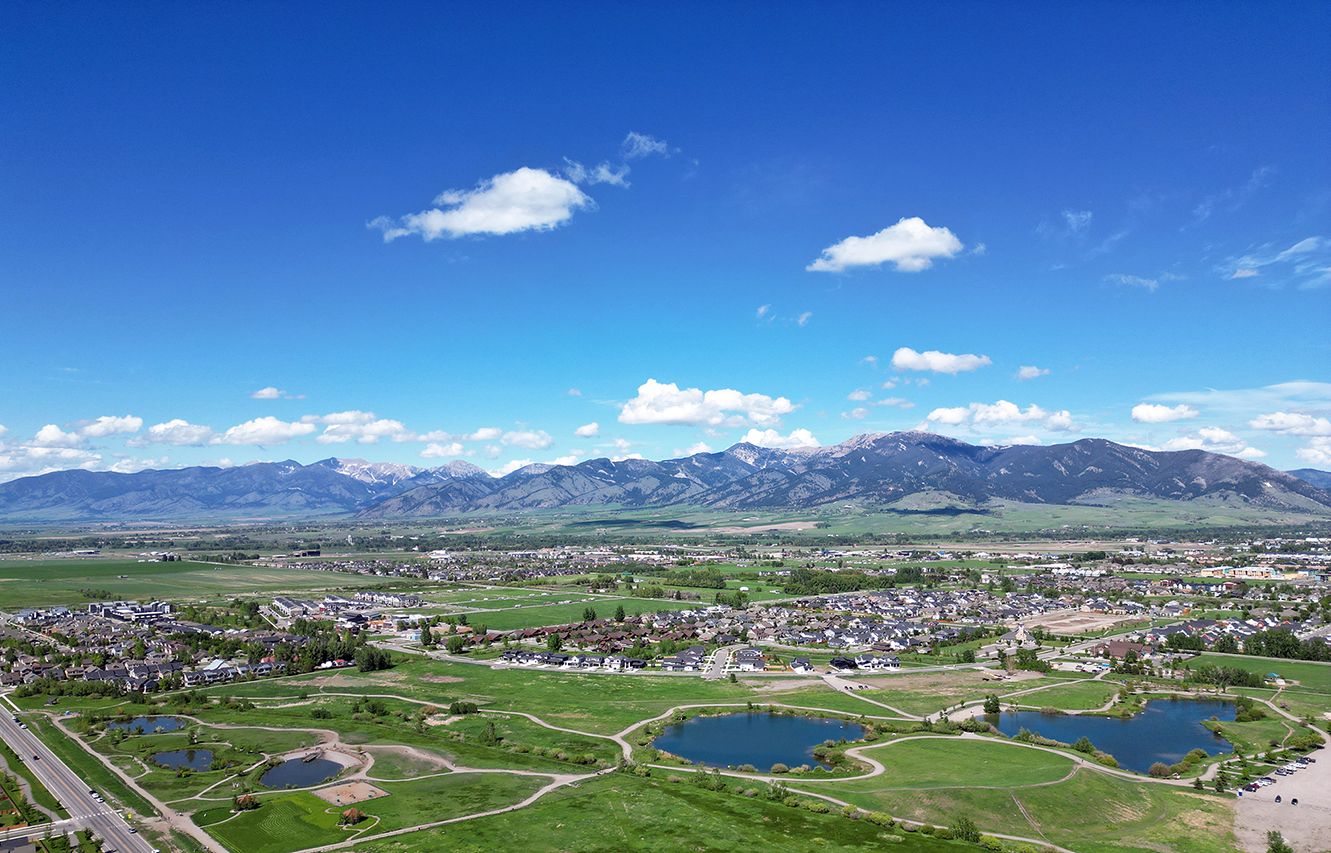
The hundred-acre Gallatin Regional Park is the lifestyle anchor, with six miles of trail, the dinosaur playground, multiple ponds, a dog park, and a sledding hill. It draws people year-round and that absolutely shows up in resale demand, since subdivisions directly on the park or a short walk from it hold value far more consistently than anything else on this list.
Schools form the second anchor, since the K-through-12 corridor runs right through here. Buyers here are making long-term commitments, and that kind of demand holds even when the market softens.
So what about the west side subdivisions sitting on the market right now? They’re generally priced as though they have both anchors while being a few blocks removed from either. Find the anchor that matters most to your life, ideally both, and that’s the position worth buying.
2. The Crossing
The reason is simple. Nobody else on this list is closer to the regional park. The Crossing is bordered by it on two sides, so you don’t drive to the park and you don’t walk a few blocks to it either. You walk out your back door into it, with the trails, ponds, dinosaur playground, and dog park all right there.
Here’s the dynamic that makes it more interesting. There’s no more room to expand. A couple of lots might be left to build on, and that’s it. Limited inventory paired with high-demand positioning holds value differently than a neighborhood adding new phases every year. Homes here trade starting around $700,000 to $850,000, and for the ones right on the park, entry runs closer to $1.2 million.
1. Flanders Mill
This is the most sought-after subdivision on the west side right now. A hundred thirty-seven master-planned acres, 272 single-family lots, and 36 acres dedicated to parks, streams, ponds, trails, and playgrounds. There are even protected viewshed corridors that lock in Bridger Mountain sightlines.
Fiber optic runs throughout, you’re directly across from the regional park, you’re adjacent to Gallatin High, and Meadowlark Elementary and Chief Joseph are within walking distance. It checks both anchors at once. Homes are custom and architecturally diverse, ranging from the upper $600,000s for townhomes to well over a million and up toward a million and a half for larger builds with ADUs. Short-term rentals aren’t allowed, which only strengthens the owner-occupant culture and the long-term stability of the neighborhood. Flanders Mill is for the buyer who wants the full west side package.
Bonus: Northwest Crossing
Northwest Crossing sits kitty-corner to Gallatin High at Oak and Cottonwood. A hundred sixty acres, 700-plus planned residences, and 150,000 square feet of commercial space that will bring restaurants, retail, and offices. Williams Homes is building the single-family and townhomes now, and the vision is a fully walkable community where you can live, shop, eat, and get outside without a car, which is genuinely new for this side of town.
There’s a real trade-off, since you’re early and a lot of what makes it compelling isn’t built yet, so you need a vision for what’s coming. The school anchor is already in place, the developers have a strong track record, and the bones are there. This is the neighborhood for a buyer looking five to ten years out, and it’s what the west side growth play actually looks like.
The honest read for buyers and sellers
Buyers choosing on price alone, in an area without the park or school anchors underneath it, are taking the most risk right now, because thinner resale demand can show up faster than people expect.
Sellers in any of these subdivisions priced at 2022 numbers are taking a real risk too. Even Flanders Mill, where homes are typically the most desirable, has listings sitting right now, and they aren’t priced to current data. That rule applies anywhere on this list.
For buyers who understand the two anchors, there’s more inventory and more negotiating power than there’s been in years, and the fundamental drivers out here haven’t changed. Six subdivisions, six different fits, all tied to the same two anchors. Once you know which one matters most to your life right now, the decision gets a lot clearer.
Weighing that against what your money does over the next decade is the point of the Montana Move Method. For the rest of the city, work through our guide to Bozeman’s neighborhoods.
Prefer to watch?
Here’s the full walk-through of all six.

If the video doesn’t load, you can watch it here on YouTube.
West side Bozeman: quick answers
What is the best neighborhood on the west side of Bozeman?
Flanders Mill leads because it sits directly across from Gallatin Regional Park and adjacent to Gallatin High, checking both of the demand anchors that drive west side value. The Crossing is next, bordered by the park on two sides with essentially no room left to expand.
How much are homes in west Bozeman?
Valley West single-family homes have recently clustered around $600,000 to $750,000, Harvest Creek runs from roughly $625,000 to $800,000, and The Crossing starts around $700,000 to $850,000. Flanders Mill ranges from the upper $600,000s for townhomes to a million and a half for larger custom builds.
What is Gallatin Regional Park?
Gallatin Regional Park is a hundred-acre park in the middle of west Bozeman with six miles of trail, multiple ponds, a dog park, a sledding hill, and the dinosaur playground. Proximity to it is one of the two strongest predictors of which west side subdivisions hold their value.
Which west side subdivision is best for schools?
Baxter Meadows West has the best school corridor position on the west side, with Meadowlark Elementary, Chief Joseph Middle School, and Gallatin High all within close range. Flanders Mill is close behind, sitting adjacent to Gallatin High with the other two within walking distance.
Is Northwest Crossing a good place to buy?
Northwest Crossing suits buyers with a five to ten year horizon, since the school anchor is in place and the developers have a strong record, while much of the walkable commercial vision isn’t built yet. Buyers who need the neighborhood finished today should look at Flanders Mill or The Crossing instead.
Why are some west side homes sitting on the market?
Homes sitting out here are usually priced as though they carry both demand anchors while being a few blocks removed from the park, the schools, or both. Pricing anchored to 2022 numbers is the other common cause, including in otherwise strong subdivisions.
Which anchor matters most to you?
That single question usually narrows six subdivisions down to two. Book a call with me and tell me what your weeks look like, and I’ll tell you which side of the park you should be shopping and what’s realistic at your number.