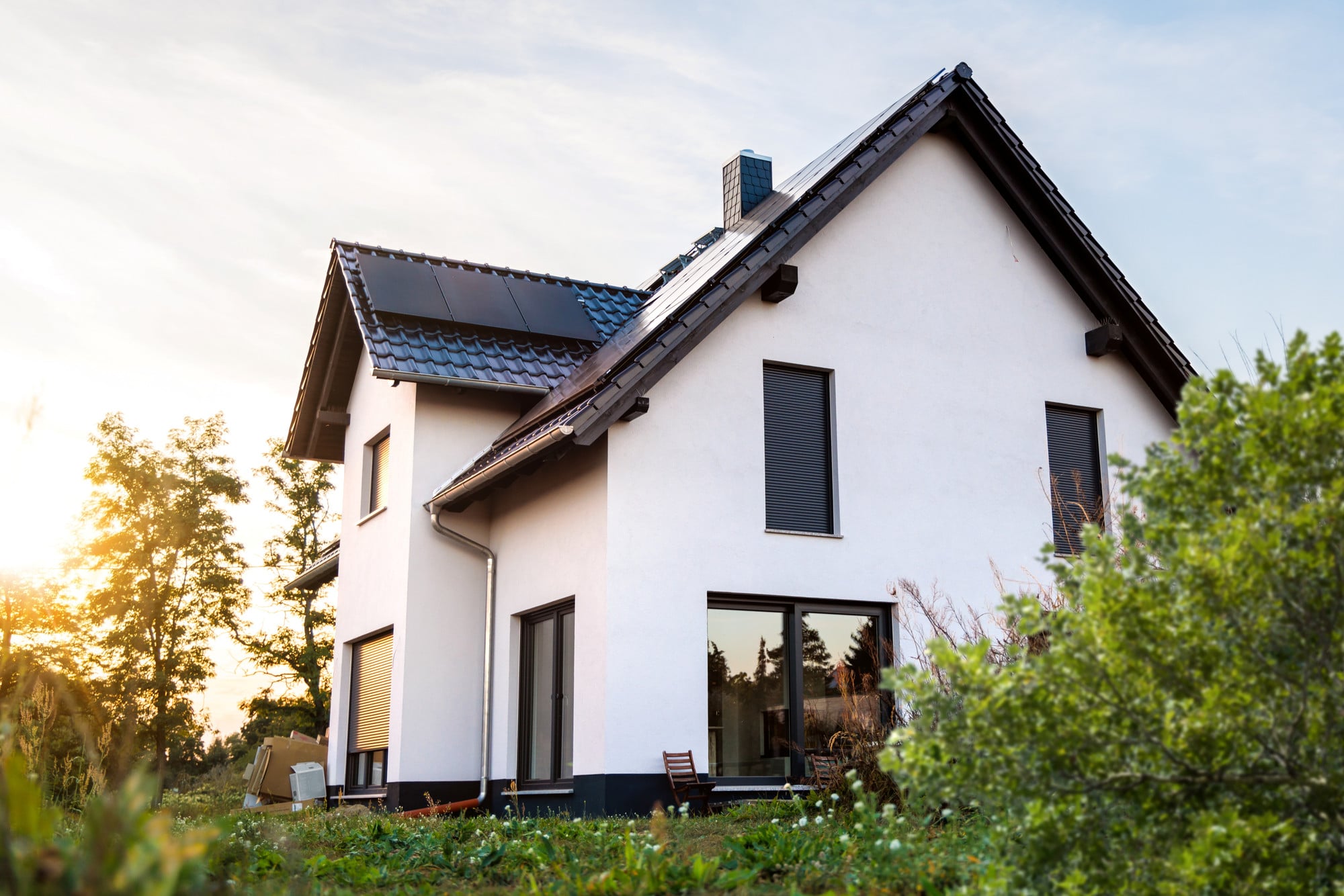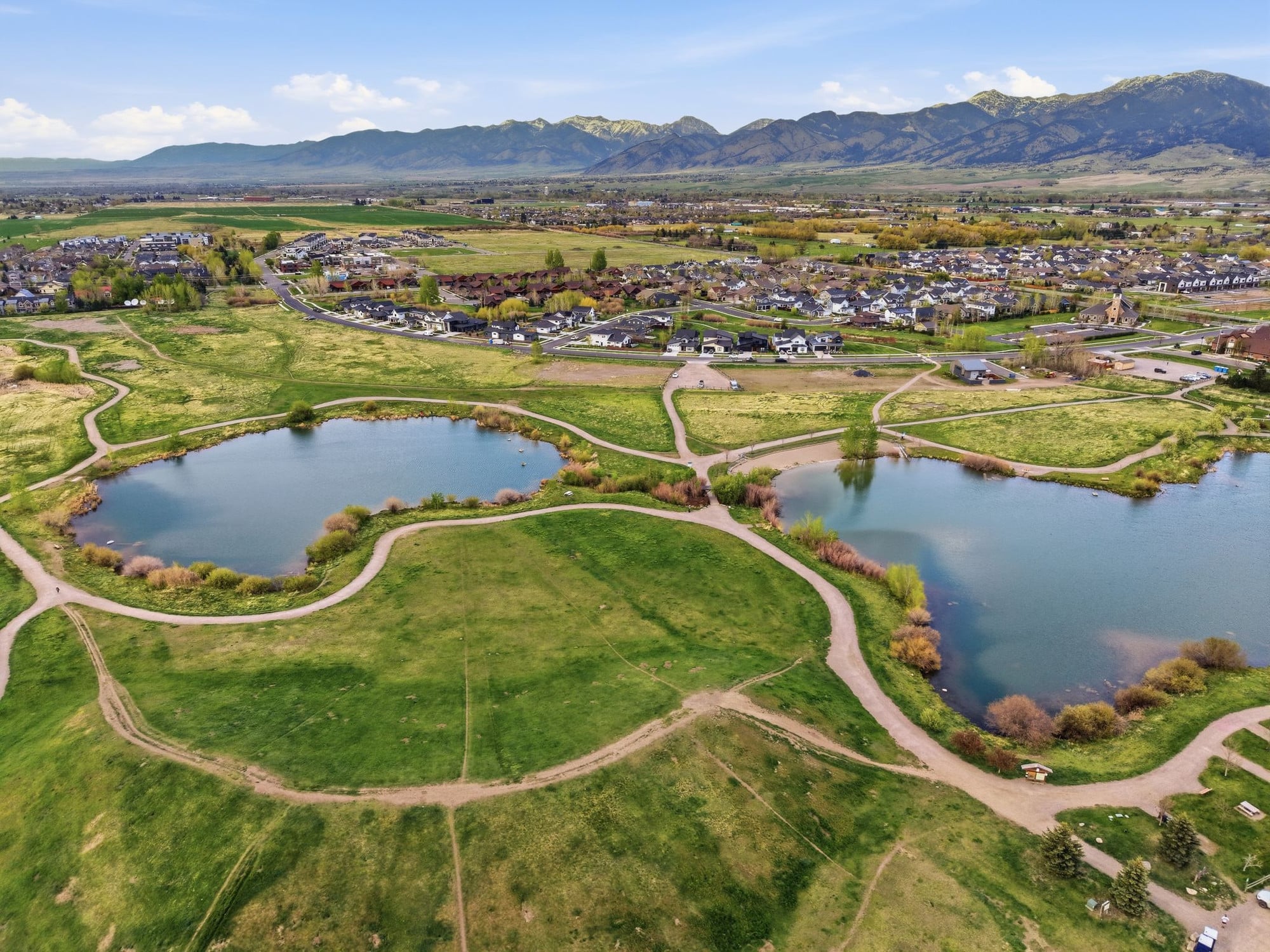
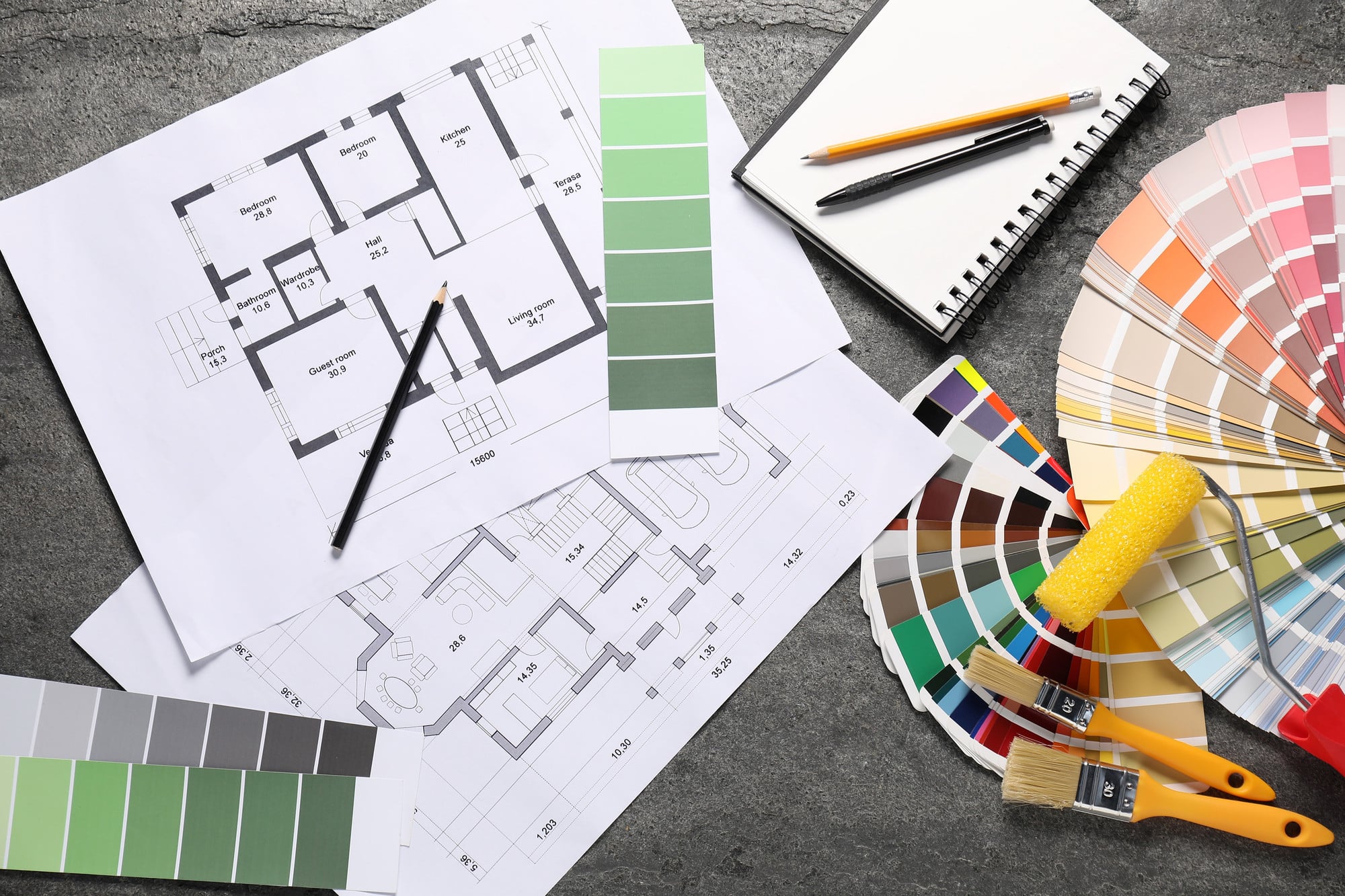
They had the builder, the architect, bids on the well, a completed septic test, designs in hand, and a parcel they’d owned for two and a half years. About a week before the final deposits went in, they walked away from building a home.
Instead they bought a house in the same neighborhood, from the same builder, eight years old, and it cost them less than building the same home on the land they already owned. They didn’t do anything wrong, either. Building costs in this valley changed while they were planning, and by the time they reached the end of it the numbers had flipped.
So if you’re looking at a piece of Montana and picturing what you’d build on it, here’s the list of costs most people don’t add up until they’re already deep in the process. At the end I’ll show you what those clients figured out.
Rather listen than read? I walk through all of it on camera: What It Really Costs to Build a Home in Montana.
The short version
Plan two to three years from the day you buy land to the day you move in, and everything you price at the start gets priced again before you break ground.
Well depth, septic sizing, and power access decide whether a parcel works at all, and Montana’s public well log database tells you most of it before you’re under contract.
Right now it’s often cheaper to buy a finished home than to build the same one, and that’s a moving target rather than a permanent condition.
How much does it cost to build a house in Montana?
The honest answer runs past the build itself. You’re pricing the land, two to three years of carrying it, well drilling at roughly $90 to $100 a foot, a septic system sized to your bedroom count, power access to the parcel, and site work, all of it repriced before construction starts. Right now, in the Gallatin Valley, a comparable finished home often totals less than building it.
Time is the cost nobody puts a number on
Time moves every other number on this list. Say you buy a parcel this spring. How fast can you be living on it?
Anywhere in the Gallatin Valley, a reputable builder is booking a year to two years out, and the surrounding towns run about the same. That’s the wait just to break ground. Then add the design phase, the well and septic permits, the site plan, and a materials list that gets locked before anyone pours a foundation. All of that takes time and it has to happen in order or you lose your spot.
So when clients tell me they want to build, I give them the same number every time: plan for two to three years from the day you buy your land to the day you move in. Buying land this spring and planning to move in this fall isn’t happening.
Here’s what matters more than the wait itself. Everything you price at the start has to get priced again before you start building. Material prices change, labor prices change, and if you’re financing, your rates change too.
Covenants, county rules, and the clock on your build
The second thing people get wrong surprises them more than the timeline, and it’s what you’re allowed to do with the land once you own it.
People come to Montana with a picture in their head: wide open space, your own rules, nobody telling you where the barn goes. Then they read the covenants on a parcel they assumed was wide open. Between county land use rules, subdivision review, and covenants recorded on the deed, a lot of parcels out here come with guidelines attached, minimum square footage, and a clock giving you twelve to eighteen months to finish once you break ground.
What if you want the version where nobody tells you anything? You can find it, and you’ll pay for it, because land with no restrictions anywhere close to town is hard to come by out here and that scarcity lands right in the price.
Read the public well logs before you’re under contract
Water and septic decide whether a parcel works at all. Outside city services you’re drilling a well, and what it costs comes down to how deep you go. So the first thing I do is look up what the neighbors hit. Montana keeps a public well log database and it’s better than most people realize, so pull the wells around your parcel and you’ll see how deep they went and what flow they got.
Two numbers matter. Depth sets your cost, because you’re paying by the foot, and out here wells run anywhere from about 100 feet up to 1,000. On the flatter valley floor you’re usually toward the low end, and it climbs once you get into the foothills and the mountains. The rule of thumb I give clients is $90 to $100 a foot for drilling and equipment together. A client drilled this year and landed right around $94 a foot on a well about 900 feet deep. That price moves, so price it fresh whenever you’re shopping.
Then there’s flow rate, measured in gallons per minute, which decides whether you can run a shower and a dishwasher at once or irrigate your land. And what happens if you drill and don’t find water? It happens, and you’re paying for that drilling either way, which is why the lookup is worth an afternoon before you’re under contract.
Septic sizing, setbacks, and the perc test
Septic in our area gets sized by the number of bedrooms, so the house you want decides how big the drain field has to be. There are required separation distances on top of that, between the septic and your well, your property lines, and any surface water. The state and the county set those regulations and they get updated regularly, so look up the current rules specific to the land you’re interested in.
Then your soil has to pass a perc test, and ground that drains poorly means a bigger septic system or a different system entirely. What it costs to put that system in swings widely by parcel, so get a quote on the actual property.
The paper test that changes which parcel you buy
Here’s something almost nobody does before they buy. Take a piece of paper and put the house where you want it for the view. Put the well the required distance away. The drain field then sits its own distance from that well, on ground that drains, with room for a replacement field later. Sketch the driveway in, and keep all of it off the steep face of the land, out of the wet ground, and outside the setbacks.
I’ve watched buyers find out that on five acres all of that only fits in one corner, and that corner is the one spot with no view. It’s a couple of hours with a pencil, and I’ve seen it change which parcel somebody bought.
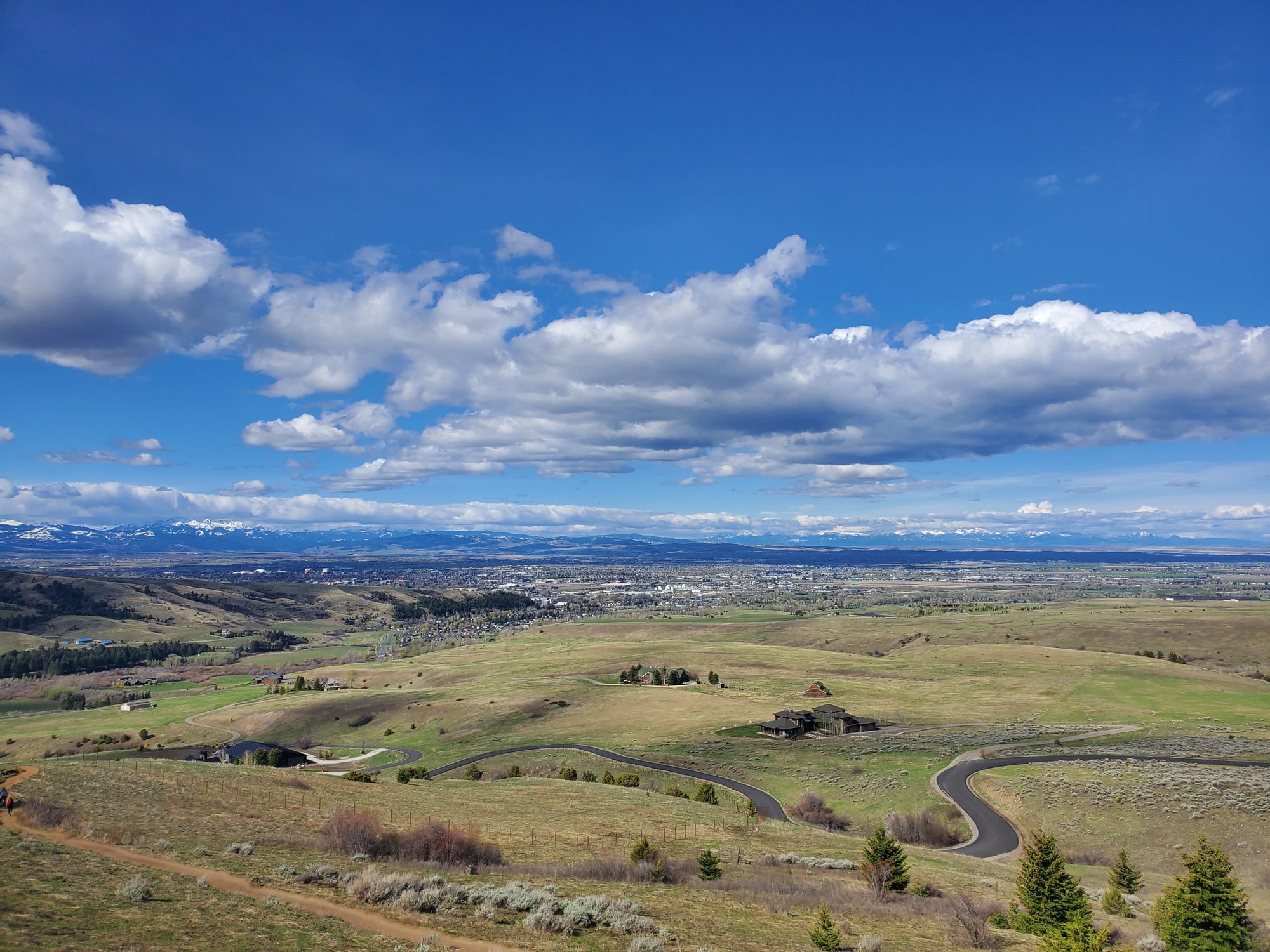
Running power, and the neighbor you might reimburse
One more cost, and this one is pure research. If the nearest power line is a ways off, you’re paying to bring it in, and what that runs depends on the distance, the terrain, and where on the property your house sits.
Here’s a piece people frequently miss. If a neighbor already paid to pull service partway out, you’re typically compensating them for what they’ve already done. So call the utility company, give them the address, and find out what’s already in the ground around that land. Just because there’s service nearby doesn’t mean you’ll get service on your land.
Land plus build against a finished house down the street
Back to the clients I opened with, because what they did in that last week is why this post exists. They had every number ready and they added it up: the land, what they carried on it, the site work, the utilities, the build itself, and where the price had drifted while they waited. Then they searched for homes that already existed with the same specifications, same neighborhood, same builder. Eight years old, finished, landscaped, and connected.
Put the two totals side by side, and the existing house came in lower than building their own on the land they already owned. So they bought that house. These were people who did more homework than most buyers ever do, and they still got that answer because of what it costs to build here now.
Do that comparison before you buy the land. Price the land plus everything above, then price the finished house you’d be building.
The break-even point, and the middle ground people overlook
That conclusion isn’t permanent, and I want to be clear about it. Building costs and resale prices move in separate directions and they’ve been moving apart recently. This area has grown a lot since 2020 and construction costs climbed right alongside, so today it’s often cheaper to buy a home than build the same home again. Give it a few years and that difference could look completely different.
What you’re watching for is a break-even point: what it costs to build per square foot against what a finished similar home sells for. When those get close, building makes sense again, because you get exactly what you want for the same money.
There’s also a version in between that a lot of people overlook. Inside Bozeman and Belgrade, production builders work at a scale a one-off custom build can’t touch, and a lot of them will do semi-custom work off their specific floor plans, which gets you closer to what you pictured than you’d expect. I’ve had a number of clients go that route recently and they’re glad they did.
The other side of that is that building from scratch is still the right call when the house you want isn’t for sale anywhere, or when the land itself is the entire reason you’re buying.
Land and the house you put on it are both wealth decisions, and the right one grows your money and fits your life at the same time. Working both sides of that is what the Montana Move Method is built for. If you’re weighing a build against a purchase, our guide to new construction in Bozeman covers the other half of the decision.
Prefer to watch?
Here’s the full cost walk-through.

If the video doesn’t load, you can watch it here on YouTube.
Building in Montana: quick answers
How long does it take to build a house in Montana?
Plan two to three years from buying the land to moving in, since reputable builders in the Gallatin Valley are booking a year to two years out before the design phase, permits, and site plan are even counted. Everything priced at the start gets repriced before construction begins.
Is it cheaper to build or buy in the Gallatin Valley right now?
Buying a comparable finished home is currently cheaper than building the same house in many cases, because construction costs climbed alongside the area’s growth since 2020. That relationship moves, so the thing to watch is the break-even between cost per square foot to build and what finished homes are selling for.
How much does it cost to drill a well in Montana?
A useful rule of thumb is $90 to $100 per foot for drilling and equipment together, with wells running from around 100 feet on the valley floor up to 1,000 feet in the foothills. Montana’s public well log database lets you check what neighboring parcels hit for depth and flow before you go under contract.
What should I check before buying land in Montana?
Check the covenants and county land use rules, since many parcels carry minimum square footage and a twelve to eighteen month clock to finish once you break ground. Then verify water via the well logs, septic feasibility, and what it costs to run power, since service nearby doesn’t guarantee service on your parcel.
How is a septic system sized in Montana?
Septic systems here are sized by the number of bedrooms in the house, so the home you want determines the drain field. Required separation distances from your well, property lines, and surface water apply on top, and the soil has to pass a perc test.
What is semi-custom building?
Production builders in Bozeman and Belgrade will often adapt their existing floor plans, which gets you closer to a custom result than most people expect at a scale a one-off build can’t match. It’s the middle ground between buying finished and building from scratch.
Weighing land against a finished home?
Run the comparison before you buy the parcel, not after. Book a call with me and we’ll price the land plus everything above against the finished houses actually selling in that neighborhood. That exercise has changed more than one client’s plan.