Bozeman and Livingston sit about 25 miles apart, with one mountain pass between them, and the same house costs quite a bit less on the Livingston side. That price difference is real, and it’s also easy to misread. If you choose wrong, you can end up paying Bozeman prices for something you could have had over the pass for a lot less. It runs the other direction too, since landing in the cheaper town can mean finding out the drive costs you more than the house ever saved you.
I’ve lived in the Gallatin Valley since 2016, and this is one of the comparisons I walk through most often with people moving to Montana. Below is how the two towns differ day to day, why the prices are so far apart, what the drive over Bozeman Pass is like in January, and the short-term rental rules that sent clients of ours to a duplex in downtown Livingston. There’s also a third option just south of Livingston that most people comparing the two towns never even look at.
If you’d rather watch or listen, I cover the whole comparison on camera, from the pass to the river: Bozeman Montana vs Livingston Montana: 25 Miles Apart and COMPLETELY Different.
The short version
Homes in Livingston cost less than comparable homes in Bozeman mostly because the jobs, the university, the hospital and the airport are all on the Bozeman side of Bozeman Pass.
The drive from Livingston to Bozeman is about 25 miles and roughly half an hour on a normal day, and winter snow, ice and wind on the pass are the real cost of the lower price.
Livingston allows short-term rentals with a city permit whether or not the owner lives there, while Bozeman stopped approving new ones for second homes and investment properties back in December 2023.
How many days a week you’d drive the pass usually decides this more than anything else does.
Is it better to live in Bozeman or Livingston, Montana?
Bozeman is usually the better fit if your week runs through town five or so days out of seven, because you’re paying to never think about the pass and to have the university, the hospital, the airport and the restaurants close by. Livingston starts to look really strong when you only head into Bozeman once or twice a week, or work remotely, since you get a bigger and often older house for less money. Paradise Valley, south of Livingston, is worth a look if the river and the mountains are the main reason you’re moving.
Living in Bozeman vs Livingston, day to day
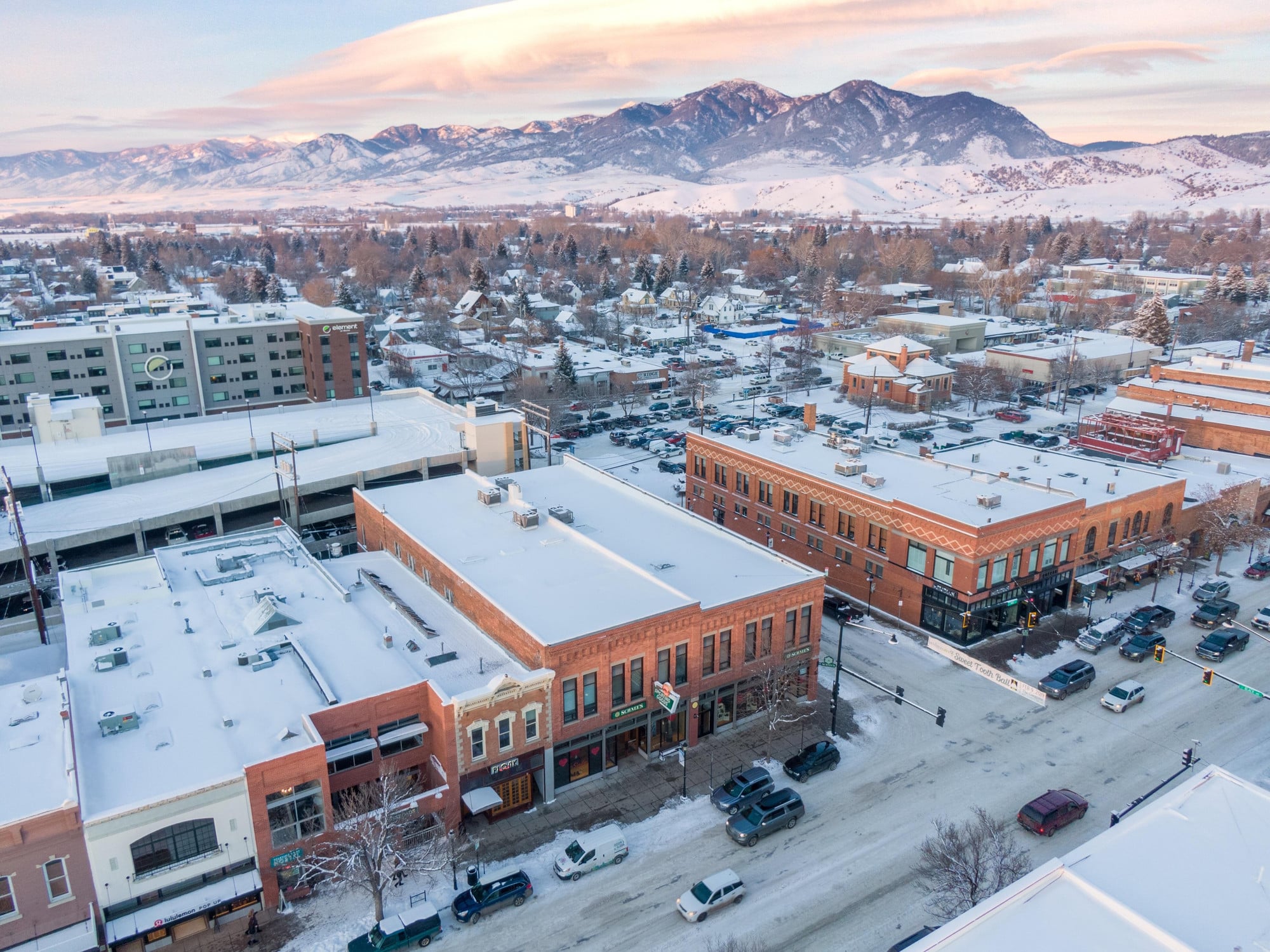
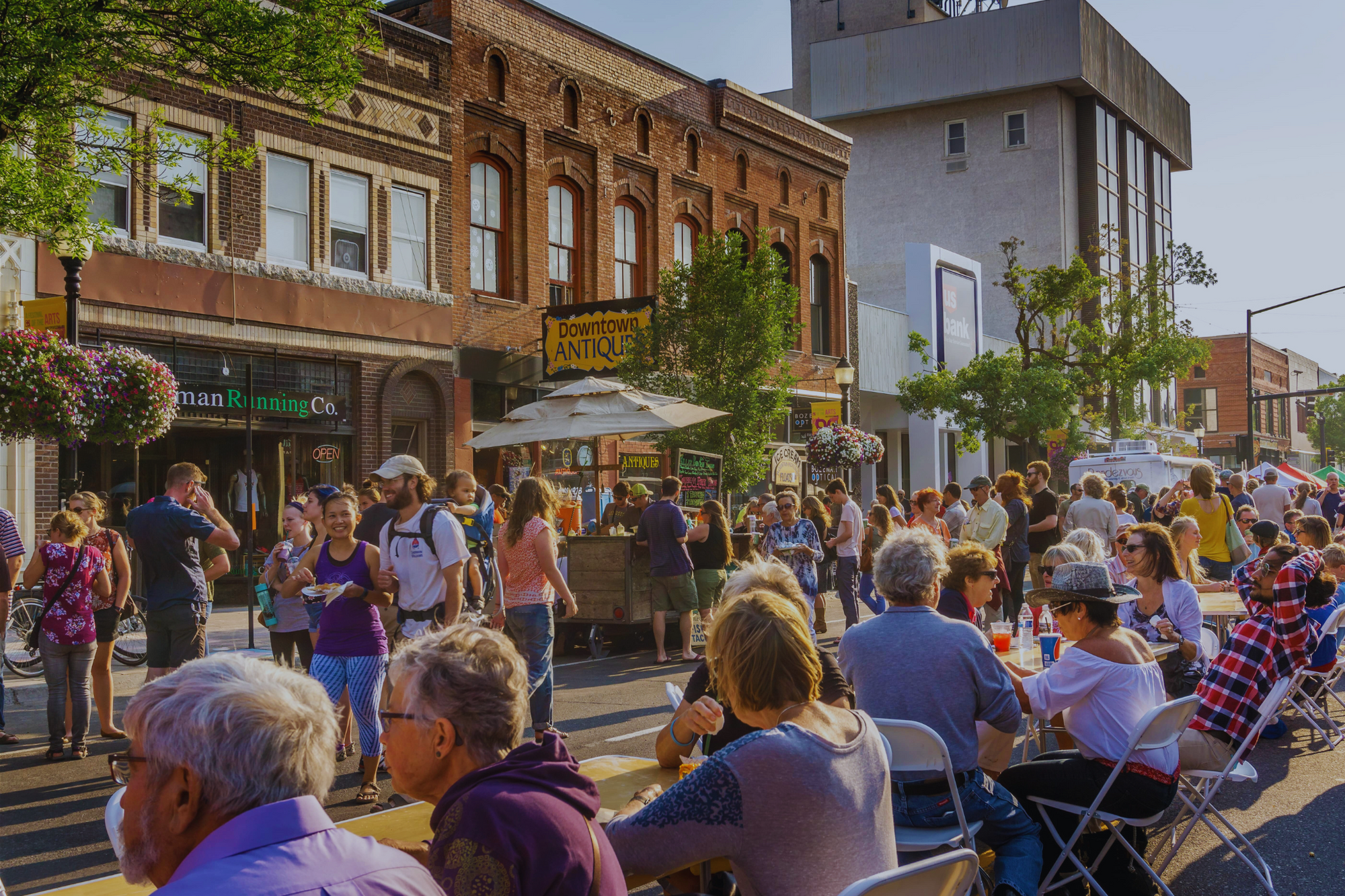
With somewhere north of 50,000 people now and Montana State University right at the center of it, Bozeman has the restaurants, the shopping, the healthcare and the traffic that come with a town that size. The state put its land grant college in Bozeman in 1893, and a lot of what the town is today grew up around the university.
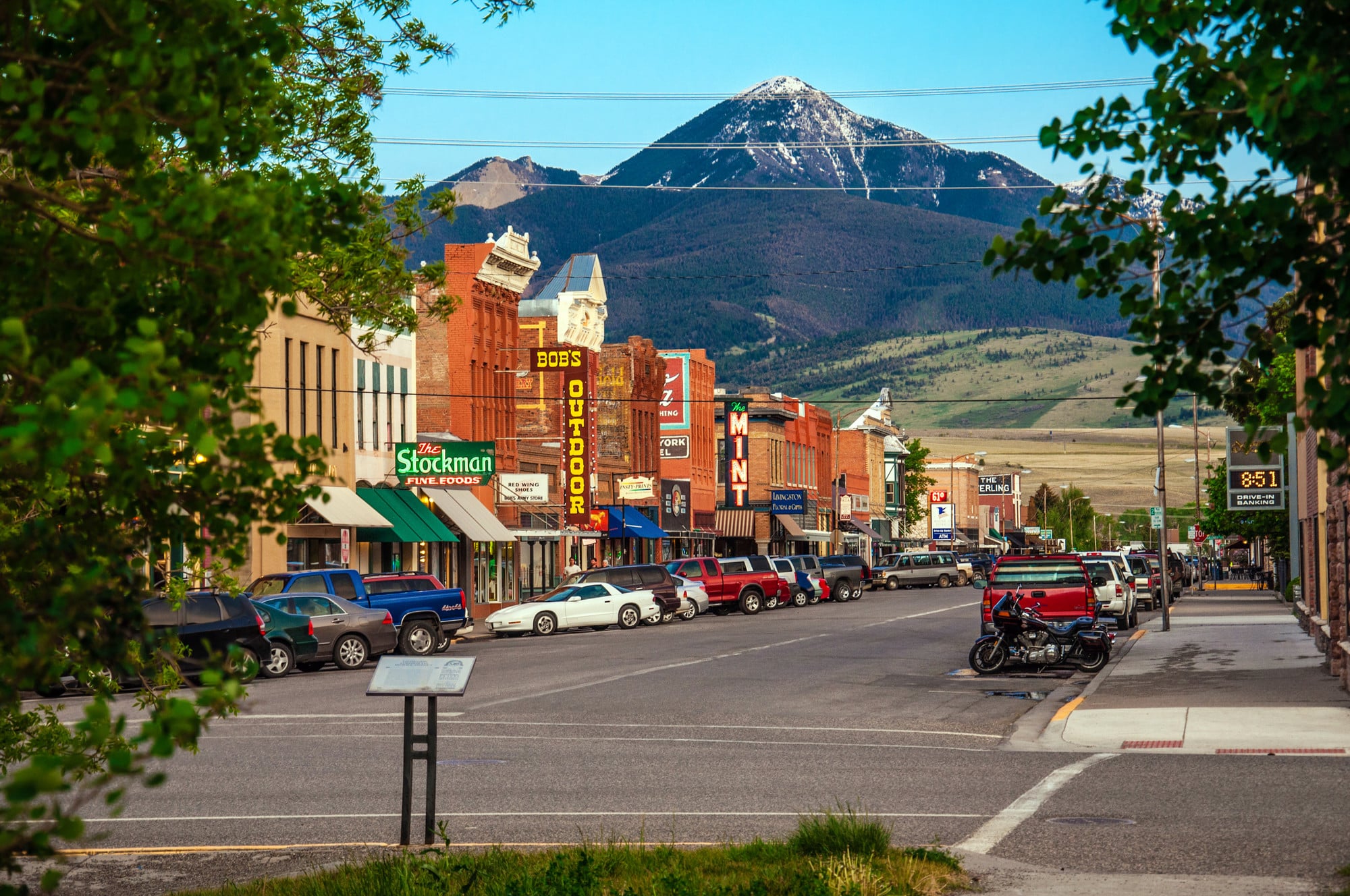
Livingston has about 8,000 people, and it feels like a different place the minute you get into town. Downtown is historic brick and walkable, with galleries, bars, places to eat and a couple of community theaters. The old Northern Pacific depot from 1902 still stands along the tracks, which tells you a lot about how the town started, since Livingston was a railroad town from day one. Out on the edge of town you’ve got the Yellowstone River, with Paradise Valley opening up to the south and the national park’s north entrance at Gardiner about an hour down the highway.
So how much of a normal week can you handle without leaving Livingston? Honestly, most of it. Groceries, the hardware store, a doctor’s appointment and dinner out are all right there in town, and it’s a smaller, slower version of that routine where you run into people you actually know. The Costco run, specialty shopping and anything major on the medical side usually mean a trip to Bozeman, and most people fold all of that into one day when they’re already headed over.
Why Livingston homes cost less than Bozeman homes
All of that shows up in what a house costs. A Livingston budget gets you a bigger house, often an older one with a lot more character to it, for quite a bit less than you’d pay for the same square footage over in Bozeman.
Why is it that much cheaper when it’s only about half an hour away? It mostly goes back to where the jobs are. Over many years, the university helped make Bozeman the job center for this part of Montana, and today the campus, the hospital, the airport and most of the area’s employers all sit on the Bozeman side of the pass. Livingston’s economy ran on the railroad for most of its history, and later on ranching and tourism, and it has never come close to drawing buyers the way Bozeman does.
So a good share of the demand in Livingston comes from people who work in Bozeman and decided the drive was worth the home. In a lot of ways, that makes Livingston a commuter market, where the commute gets priced right into the house. The difference can look like free money in July, and I honestly get why. But the first time you make that drive at 6:30 on a January morning with the top of the pass glazed over, you start to understand why the house cost what it did. In Livingston, you’re really trading some time in the car for more square footage, a larger lot and a slower pace of life.

Commuting from Livingston to Bozeman over the pass
That pass is the thing you’d be living with if you work in Bozeman, and it’s also the reason Livingston exists at all. When the Northern Pacific Railway pushed west in 1882, it needed a place to service its steam engines before they climbed Bozeman Pass, the highest point on that whole line. So it built its shops right where the Yellowstone River bends, and the town grew up around them.
Today the drive is about 25 miles of Interstate 90, and on a normal day you’re looking at something like half an hour, give or take a little bit, depending on which side of each town you start from. Most of it is the climb up and over Bozeman Pass, which tops out a little over 5,700 feet. That’s high enough that the weather at the top can be completely different from what you left in either town.
Is the winter drive as bad as people say? For the most part, it’s fine. It’s a well-maintained interstate, and plenty of people make the drive every day and would tell you it’s a normal Montana winter commute as long as you have good tires and a lot of patience. The days that aren’t fine come from snow and ice on the pass, which slow everything down, and every so often the interstate closes for wrecks. Wind on the Livingston side is most often the reason. The stretch of I-90 around Livingston is known for strong crosswinds, and the Montana Department of Transportation keeps a permanent detour route through town for the days it has to close the interstate.
My advice is to drive the pass at the hour you’d really be driving it, in the worst month of the year, before you decide whether it works for you. And keep in mind how many times a week you’d actually be making the trip, because I think that number ends up deciding this more than anything else.
Short-term rental rules in Livingston vs Bozeman
All of that assumes you’re living there, though. Does a house in Livingston even have to be the place you live? It doesn’t, and I think that’s a big part of this comparison that a lot of people overlook. The same price points that make Livingston work as a primary home also let a property work as a long-term or short-term rental, or as a second home you use a few weeks out of the year.
In Bozeman, one of those options is gone unless you live in the house yourself. The city hasn’t issued a new short-term rental permit for a home the owner doesn’t live in since December 2023. Livingston went the other way. Its zoning code, adopted late in 2025 and in effect since January 1, 2026, allows short-term rentals with a city permit whether the owner lives there or not, across most of its residential and downtown districts.
How clients of ours ended up with a downtown Livingston duplex
That difference is exactly what played out for clients of ours. They came out looking for a recreation property on the river, either the Yellowstone or the Madison, something that would work as a second home for them. After they spent some time out here, they realized they also wanted it to earn a bit while they were gone, so being able to rent it short-term moved way up the list.
We didn’t look at Bozeman at all, both because of the permit rules and because they wanted to be closer to the river anyway. Outside of town in Gallatin County, the rules aren’t as settled as they used to be, and many of the places they loved down in Paradise Valley had covenants that prohibited short-term rentals outright, which took most of those properties off the list.
What they ended up buying was a duplex in downtown Livingston, an easy walk to Main Street. It isn’t exactly the recreation property they were picturing, and it probably isn’t what they’ll ultimately end up with. But the duplex is booked through most of the year, busiest in the summer with all the traffic headed to Yellowstone, and it gives them an easy place to stay when they’re in town, so they get out here more often. That summer traffic goes way back, too, because the railroad made Livingston the first gateway to Yellowstone National Park, with a branch line running down Paradise Valley toward the park. For them, the investment side of this just made too much sense.
Paradise Valley, the third option
Those places down in Paradise Valley are worth a real look on their own, and they’re the third option I’d add to any Bozeman and Livingston comparison. The valley runs south from Livingston along the Yellowstone River almost all the way to Gardiner and the park’s north entrance, and it’s a completely different market from the Livingston side of town. It’s mostly acreage, ranches and homes on or near the river, a lot of them second homes, with mountains on both sides of you.
Here’s the trade a lot of people don’t think about until they’re down there. Livingston becomes your town for groceries and dinner out, and Bozeman is about an hour or more away. That works well when the river and the mountains are the reason you came and you don’t need to be in an office in Bozeman very often. And if the property has to earn while you’re gone, read the covenants before you fall for the views, the same way our clients learned to.
Yellowstone River flooding and insurance
A lot of what’s in Paradise Valley sits right on the river, which brings up one more thing I want checked on any home along the Yellowstone, whether that’s in Livingston itself or anywhere down through the valley. That’s flooding, and I think it was really underestimated out here until the last few years.
In June 2022, the Yellowstone ran higher at Livingston than it had ever been recorded. Neighborhoods near the river went under pre-evacuation orders, Highway 89 closed through parts of Paradise Valley, and hundreds of homes across the region took on water.
So where do you start if you’re looking at a home on the river? The first thing I’d pull is the flood map for that exact address, because two houses a block apart can land in completely different zones. If the house sits inside a mapped high-risk flood zone and you’re financing it, your lender is going to require flood insurance. And if you can, get an insurance quote before you ever write an offer, along with the elevation certificate if the house has one. Even if the house sits close to the water but just outside the mapped zone, I’d still consider getting a quote, because the river in 2022 went higher than anything anybody had recorded before.
Bozeman or Livingston: how I’d make the decision
Here’s how I’d start. If your week runs through Bozeman five or so days out of seven, say with a job at the university or the hospital, and you’d like to keep your commute under 15 minutes, I’d think about staying on the Bozeman side and paying the premium. You’re paying to never have to think about the pass, and to have the restaurants, the healthcare and the airport right there when you need them.
Livingston starts to look really strong when you’re only going into Bozeman once or twice a week, maybe even less. If you work remotely, that drive turns into a trip to town, and you get the bigger house, a downtown where people know you, the river, and a property that can earn as a rental if your plans ever change. On a bad wind day, you just stay home and get your work done.
And if the river and the mountains are the whole reason you’re moving to Montana, I’d drive through Paradise Valley before you look at either town. It’s kind of fitting when you think about it. Livingston was built around the job of getting trains over that pass, and about 140 years later, how often you’d have to get over it yourself is still what decides whether the town works for you.
Building both kinds of wealth with the right town
Choosing between Bozeman and Livingston affects your money and the way you live at the same time. The right town builds equity in a home that fits your budget, and it also shapes how your week feels, how much time you spend in the car, and what the property can do for you if your plans change. Getting both sides right from the start is what we build with clients through the Montana Move Method, a process built to grow your money and the quality of your life at the same time.
Prefer to watch?

Watch on YouTube: Bozeman Montana vs Livingston Montana: 25 Miles Apart and COMPLETELY Different
Bozeman vs Livingston: quick answers
Why are homes cheaper in Livingston than in Bozeman?
Homes in Livingston cost less than homes in Bozeman mostly because the jobs are in Bozeman. Montana State University, the hospital, the airport and most employers sit on the Bozeman side of Bozeman Pass, so many Livingston buyers are people willing to make the drive, and the commute gets priced right into the house.
How long is the drive from Livingston to Bozeman?
The drive from Livingston to Bozeman is about 25 miles on Interstate 90 and takes roughly half an hour on a normal day. Most of it is the climb over Bozeman Pass, which tops out a little over 5,700 feet, so winter snow, ice and wind near Livingston can slow the drive down or close it.
Can you have a short-term rental in Livingston, Montana?
Livingston, Montana allows short-term rentals with a city permit whether or not the owner lives there, in most residential and downtown districts, under a zoning code in effect since January 1, 2026. Outside city limits, read the covenants first, since some Paradise Valley properties prohibit short-term rentals outright.
Can you still get a short-term rental permit in Bozeman?
Bozeman hasn’t issued a new short-term rental permit for a home the owner doesn’t live in since December 2023, though someone renting out the home they live in can still apply for one. That’s why buyers who want a property that earns while they’re away often look at Livingston instead.
Do you need flood insurance on the Yellowstone River in Livingston or Paradise Valley?
Along the Yellowstone River in Livingston or Paradise Valley, your lender will require a flood policy if the home sits in a mapped high-risk flood zone and you’re financing it. Pull the flood map for the exact address and get a quote before you write an offer, even just outside the mapped zone.
Is Livingston, Montana a good place to live if you work in Bozeman?
Living in Livingston, Montana with a job in Bozeman makes the most sense when you’re driving over once or twice a week or working remotely. If you’d drive over Bozeman Pass five days a week, the winter weather and the time in the car usually outweigh what you save on the house.
How big is Livingston, Montana compared to Bozeman?
Livingston, Montana has about 8,000 people, while Bozeman has somewhere north of 50,000 and Montana State University at its center. Most of a normal week can be handled in Livingston, from groceries to a doctor’s appointment, and Costco runs and major medical care usually mean a trip to Bozeman.
Where is Paradise Valley, Montana?
Paradise Valley, Montana runs south from Livingston along the Yellowstone River almost all the way to Gardiner and Yellowstone National Park’s north entrance. It’s mostly acreage, ranches and homes on or near the river, and Bozeman is about an hour or more away.
Thinking about Bozeman, Livingston or somewhere in between?
If you’re weighing the two towns right now, I’d like to hear how many days a week you’d be driving the pass and what the house needs to do for you, whether that’s a primary home, a second home or a rental. Book a call with me and we’ll talk about what this looks like for you, town by town.