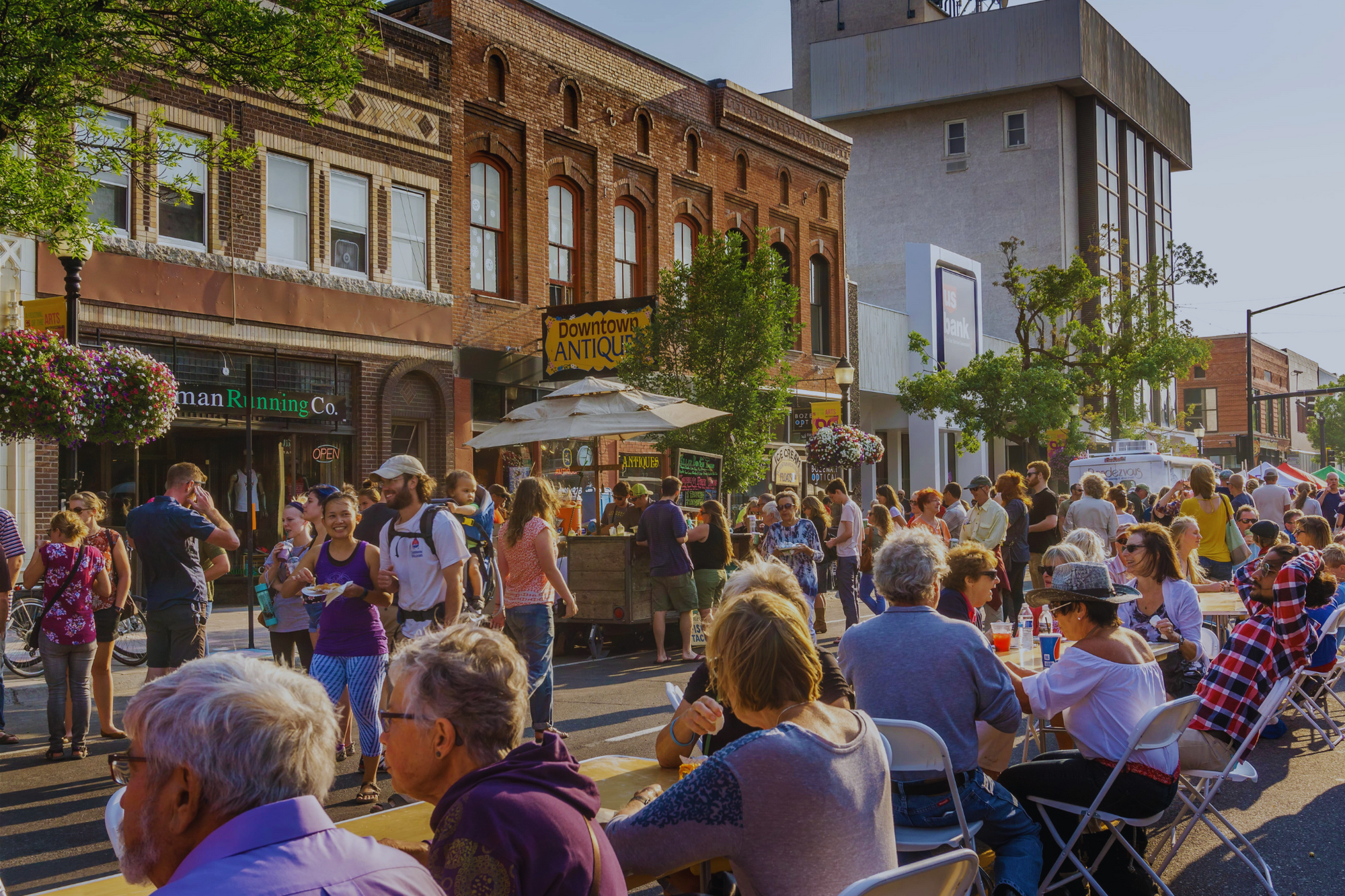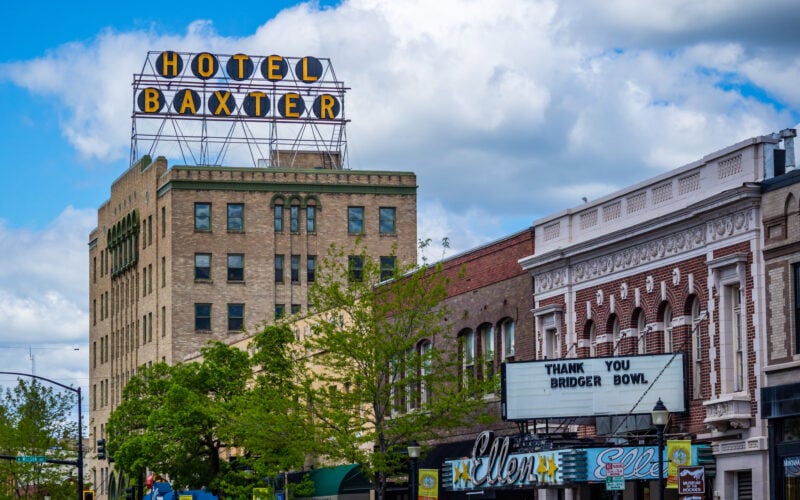
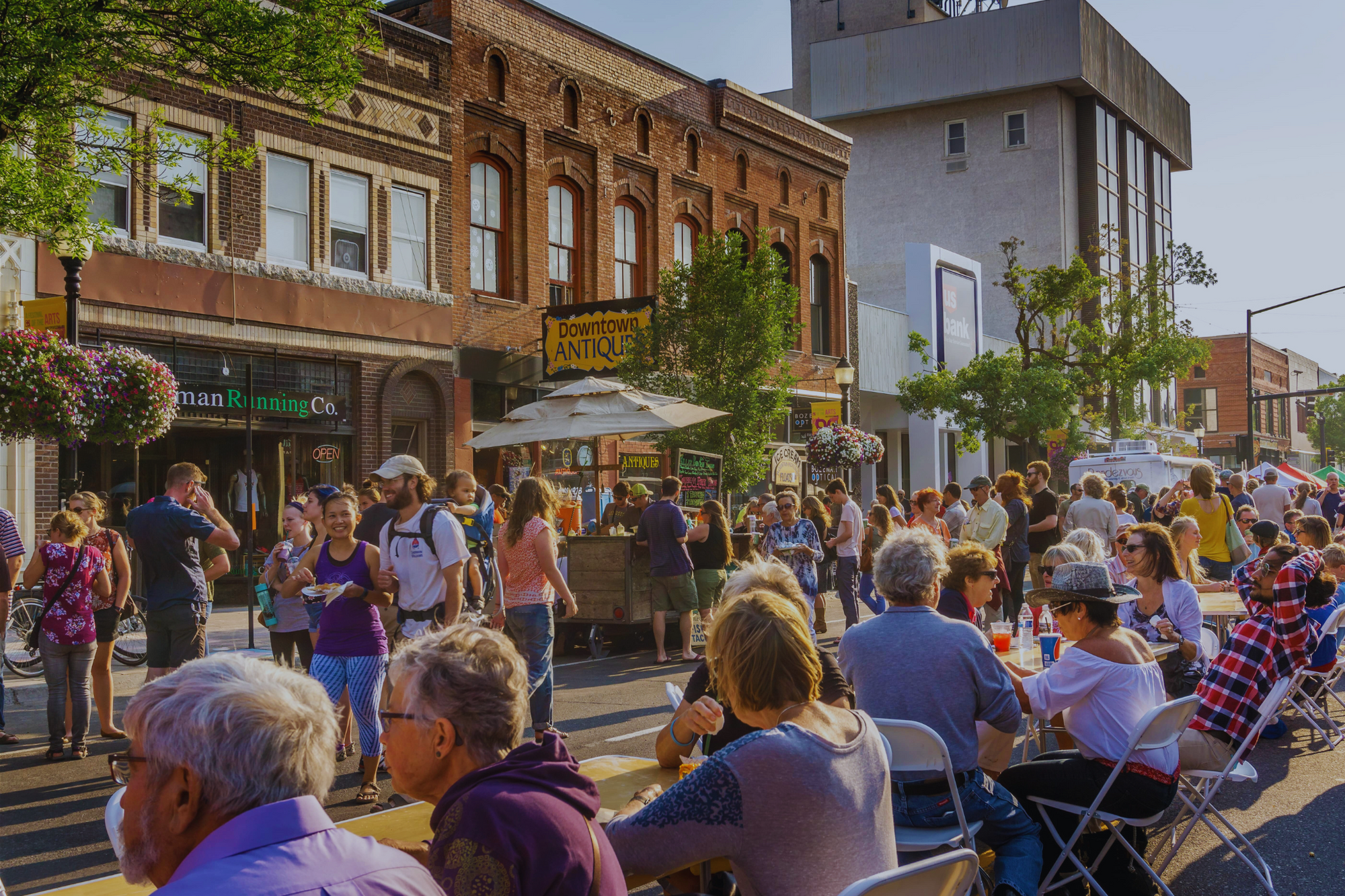
Bozeman is one of the fastest growing places in the country right now, and people are arriving from all over to get in on it. Here’s what most relocation content leaves out: moving here in 2026 can be the best decision you ever make, and it can also be the most expensive mistake you ever make. The difference comes down to understanding what you’re walking into before you get here.
I made that exact move in 2016. Below is what the growth has brought to the valley, what life here costs, and the honest downsides nobody puts in the brochure, including the one thing that decides whether you’ll love a Montana winter or count the days until you can leave.
Rather listen than read? The full version is on camera: Why Everyone Is Moving to Bozeman.
The short version
Three things arrive together here that most towns can’t offer at once: serious outdoor access, an economy spread across several industries, and a community tighter than a place this size should be.
The median single-family home inside Bozeman city limits sits around $790,000, and countywide it runs closer to $745,000.
Winter decides it. People who find a winter hobby stay, and people planning to wait indoors for spring are worn down by February.
Why are people moving to Bozeman?
People move to Bozeman for three things arriving together: outdoor access you fit into a Tuesday rather than a long weekend, an economy spread across tech, education, healthcare, tourism, and outdoor manufacturing, and a community that forms faster than it does in a bigger city. The tax picture and a growing airport reinforce it. Those who struggle are the ones whose income doesn’t travel and who underestimated what the winter asks of them.
The lifestyle, which is the number one reason people come
The outdoor access here is the real draw and it’s hard to oversell. World-class skiing at Bridger Bowl and Big Sky. Fly fishing on the Madison and the Gallatin that people cross the world for. Hyalite Canyon fifteen minutes from town, Yellowstone about ninety minutes south. This isn’t access you drive half a day for on a long weekend. It’s access you fit into a Tuesday.
Summer is fishing, hiking, and floating the rivers. Winter is skiing powder twenty minutes from town. Fall turns the whole valley gold, and the hunting and the quiet are something else entirely.
The outdoor world here also builds things. Simms makes its waders in the valley, Mystery Ranch builds packs here, and Oboz, Sitka, and Schnee’s all call the area home, with the mountains and rivers outside town as their testing ground. Growth has put a lot else on the map too, with food, live music, and events at a quality you’d expect from a much bigger city, most of which didn’t exist a decade ago.
The economy is deeper than the mountain-town image suggests
A place is only worth landing in if you can make a living there, and the good news is that nothing single-handedly carries this economy. Tourism and the second-home market are large, with Yellowstone and Big Sky bringing steady money year-round. Montana State University and the broader research world anchor thousands of stable jobs and a constant flow of talent.
Tech and remote work have become a real force. Oracle, Snowflake, and FICO all have a significant presence here, with FICO running its corporate headquarters out of Bozeman, and Hyundai based an advanced R&D studio here. Companies like onX and Bridger Photonics sit in a photonics and laser cluster concentrated enough that Bozeman earned a federal tech hub designation. Bozeman Health is another major employer, so healthcare runs deep as well, and the outdoor brands employ a lot of people on top of all of it. Outside magazine has called this area the Silicon Valley of outdoor gear.
The point is that the economy doesn’t lean on one industry that could fall over, and that’s a big part of why demand under this valley keeps holding. Montana’s tax picture reinforces it without carrying it: no statewide sales tax and income tax below the big coastal states, so if you’re coming from California or New York you keep more of what you earn. The airport has expanded fast and added direct flights to a lot of major cities, which makes getting in and out far easier than it was a few years ago.
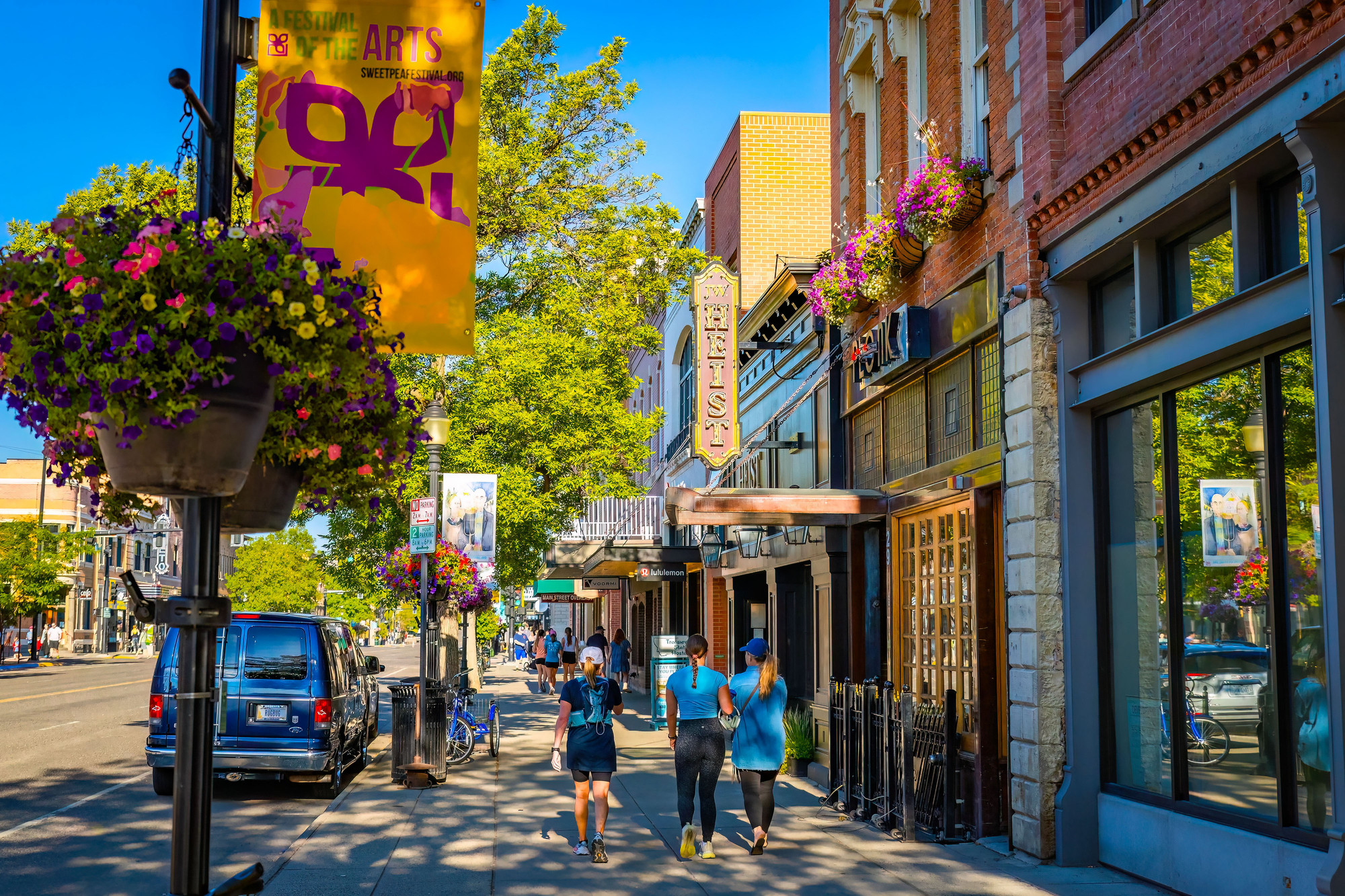
The community forms faster than you’d expect
For a place growing this quickly, the community here is remarkably tight. When I arrived in 2016 I knew almost nobody, and I found real community faster than I had across years in a big city. It happens on its own. You see the same people on the trail, your coffee spot learns your order, and if you volunteer for something you’ll have a circle six months later.
A lot of that traces to the fact that most people here chose to be here. That deliberate decision creates a different energy than a place people simply ended up in. Growth has shifted some of it, and at its core this is still somewhere people know each other.
Housing and what it costs
You have the full range here, from single-family homes to condos, townhomes, and new construction across the valley, at very different price points depending on where you land. Bozeman city limits is the premium. The surrounding area gives you more room and sometimes more value. Belgrade has become a major landing spot for people who want newer homes at an approachable price, and Big Sky is the high end where you’re buying a resort lifestyle.
New construction is one of the biggest stories of this growth and it’s happening on two fronts. Bozeman and Belgrade are both adding mid-market homes and subdivisions, which is where most relocating buyers and upsizing buyers land. In the county surrounding Bozeman you’ll find a mix of mid-market and luxury subdivisions with more space and land, still within an easy commute to town, the university, and the airport.
As of mid-2026 the median single-family home inside Bozeman city limits sits around $790,000, and countywide it’s closer to $745,000, with condos and townhomes below that. On the rental side, a rough rule of thumb is $800 a bedroom and up, more downtown and more for a standalone house. A one-bedroom usually starts around $1,200 to $1,500, a two-bedroom condo or townhome runs about $1,900 to $2,200, and a three-bedroom house starts around $2,700 a month.
I won’t sugarcoat the cost of living. Bozeman is expensive, and groceries and services have climbed along with the growth. Coming from a more affordable market on local wages, the math is genuinely hard and you need to know that going in. If you’re arriving from a high-cost coastal city, this often reads as value instead of sticker shock, and between the tax picture and what you get back in lifestyle, a lot of people from San Francisco, Seattle, or New York find their money goes further here even at these prices. For the full breakdown, read our cost of living in Bozeman guide.
The pace of life, and the weather question
The pace here is different, and it’s a big part of why people stay. This isn’t a twenty-four-hour city, and that’s the point. Life gets built around the outdoors and the seasons rather than the grind. People get up early to ski or fish before work, and half the town heads for a trailhead on Friday afternoon. For a lot of busy professionals coming from a high-pressure city, that shift is the entire reason they moved.
Weather is probably your biggest question mark. We have four real seasons: glorious summers, gorgeous falls, real winters, and springs that can’t make up their mind. Southwest Montana runs sunnier than the northwest corner of the state, and our winter days are short, so the real magic is summer when the sun is up past nine.
The dryness changes how temperature feels. We’re at roughly 4,800 feet with low humidity most of the year, swinging from the eighties in summer to below zero in a cold snap. On paper that sounds brutal, and the air is dry enough that it doesn’t land that way, since the summer heat doesn’t sit on you and the cold doesn’t cut the way damp cold does. It can be zero degrees, drop a foot of snow overnight, and you wake up to clear blue skies.
Here’s the honest part though. If you don’t find a hobby in the winter, you’re going to have a hard time. That’s the single biggest thing deciding whether somebody thrives here or counts days until they can leave. Ski, ice fish, snowshoe, or lean into the season and you’ll love it. Plan to sit inside waiting for spring and February will wear you down. It’s also a big reason we’re a strong second-home market, since plenty of people keep a place here and head somewhere warm from December, coming back for April, May, and June.
The honest downsides
First, the cost. It bears repeating, because if your income doesn’t travel well, that’s the thing most likely to make this move hard.
Second, the growing pains. Traffic is real now in a town that never used to have it, construction is constant, and some of the small-town character has shifted as more money and more people arrived. If you’re picturing the sleepy Bozeman of twenty or thirty years ago, that place is mostly gone.
Third, remoteness. We’re a small city a long way from a big one. Direct flights have improved a great deal and you’ll still connect more than you would from a major hub. Specialized medical care sometimes means travel, and big-box shopping options are limited compared with a metro area, so you order more online and drive more for the rest. Fourth is the winter I already walked through, plus the wind, which gets genuinely serious in some stretches and some pockets of the valley.
How to know whether it’s right for you
If you’re seriously considering this, visit first, ideally more than once, and come in winter rather than only in July, so you meet the real version of this place before you commit. Then run your actual numbers, because the people who thrive here came in clear-eyed about both the cost and the lifestyle.
That’s what I do every day, helping busy professionals relocate to the Gallatin Valley, and I built the Montana Move Method around making a move like this feel calm rather than rushed, so that it grows your money and fits your life at the same time. For a head start, work through our guide to relocating to Bozeman.
Prefer to watch?
Here’s the full walk-through, including the downsides.

If the video doesn’t load, you can watch it here on YouTube.
Moving to Bozeman: quick answers
Why are so many people moving to Bozeman?
People move to Bozeman for outdoor access you can use on a weekday, an economy spread across tech, education, healthcare, tourism, and outdoor manufacturing, and a community that forms unusually fast for a growing city. No statewide sales tax and an expanding airport with direct flights reinforce the appeal.
What is the job market like in Bozeman?
Bozeman’s economy spans Montana State University, Bozeman Health, a photonics and tech cluster that earned a federal tech hub designation, outdoor brands like Simms and Mystery Ranch, and a large remote-work population. FICO runs its corporate headquarters here, and Oracle, Snowflake, and Hyundai all have a presence.
How much is a house in Bozeman?
The median single-family home inside Bozeman city limits sits around $790,000 as of mid-2026, with the countywide median closer to $745,000. Condos and townhomes come in below that, and Belgrade offers newer homes at a meaningfully lower price point.
What are the downsides of moving to Bozeman?
The main drawbacks are cost, traffic and construction from rapid growth, remoteness from a major metro for specialized care and shopping, and a long winter with serious wind in some parts of the valley. Anyone picturing the small-town Bozeman of twenty or thirty years ago should know that place is largely gone.
How bad are Bozeman winters?
Winters are real, with short days and cold snaps below zero, and the dry air makes the cold feel less severe than the numbers suggest. Whether somebody thrives here comes down to having a winter hobby, since people who ski, ice fish, or snowshoe tend to love it while people waiting indoors for spring struggle by February.
Should I visit Bozeman before moving?
Visit more than once and include a winter trip, since a July visit shows you the easiest version of the place. Pair that with running your real numbers on housing, income, and monthly costs before you fall for a specific house.
Where would you be moving from?
That answer changes almost everything about how this move works, from what your equity buys here to what timing makes sense. Book a call with me and bring your specifics. I’ll give you the honest read, including if I think you should wait.