There’s a private ski community in Montana where the initiation fee alone runs several hundred thousand dollars, before you buy anything. Between Livingston and Yellowstone sits a valley where properties trade at eight figures and some neighbors arrive by helicopter. And right here in downtown Bozeman there are luxury condos two blocks off Main Street that most people in this city don’t know exist.
Unlike most states, wealth in Montana doesn’t cluster in one neighborhood. It spreads across a specific set of places, each chosen deliberately and each operating in its own world. Here are ten of them, what makes each one work, and the single thing they all share, which matters at every price point in this valley rather than only at the top.
Rather listen than read? The full version is on camera: 10 Areas Where Montana’s Wealthy Live.
The short version
All ten areas share one thing: supply that’s structurally capped by geography or by a membership limit, which is what creates durable demand.
Much of the true top of this market trades off-market, so public data understates the ceiling considerably.
The same logic explaining Bridger Canyon explains why the south side of Bozeman holds value through every cycle.
Where do wealthy people live in Montana?
Montana’s high-end buyers concentrate in the Yellowstone Club and greater Big Sky, Paradise Valley, the ranch corridor southwest of Bozeman, downtown Bozeman, Bridger Canyon, the west-side golf corridor, the Madison Valley around Ennis, Missoula, and Whitefish with Flathead Lake. Each answers a different priority, from ski access to river frontage to walkability, and every one of them sits on land that can’t be expanded.
1. The Yellowstone Club
Fifteen thousand acres of private mountain just west of Big Sky. Memberships run in the mid six figures simply to get in, plus annual dues, and condos start in the several millions while large custom builds on the mountain go well above twenty million. The membership cap sits a little over 900 and the club has been running close to it, so once it fills, it’s full.
It holds more skiable acreage than Aspen, shared among a few hundred member families, which means no lift lines and untracked snow in the afternoon on a powder day. This isn’t where Montana’s wealthy live so much as where the world’s wealthy come, because they want Montana on their own terms. That distinction matters when you’re reading any number about this market.
2. Paradise Valley
The corridor between Livingston and Yellowstone’s north entrance. Running its full length is the Yellowstone River, the longest free-flowing river in the lower 48, with the Absarokas rising east and the Gallatin Range closing it west. Own property here and you wake up inside what most people assume exists only in pictures.
Properties range from riverfront estates with private Yellowstone access to large ranches pressed against the Absarokas, and with the right one you can cast a dry fly from the porch. Bozeman is just under an hour west. Supply here is permanently constrained by mountains on both sides, which is exactly why prices have moved in one direction for thirty years.
3. The Gallatin Valley ranch corridor
The stretch south and west of Bozeman toward the Spanish Peaks, anchored by the Flying D Ranch, one of the largest private land holdings in Montana at over 113,000 acres and home to a very large private bison herd. That purchase in the 1990s put Montana on the map for ultra-high-net-worth buyers worldwide and set off a chain reaction still playing out.
Buyers here want land measured in square miles, and the Spanish Peaks wilderness begins where the ranch ends. It’s the most authentically Montana version of the high end.
4. Downtown Bozeman
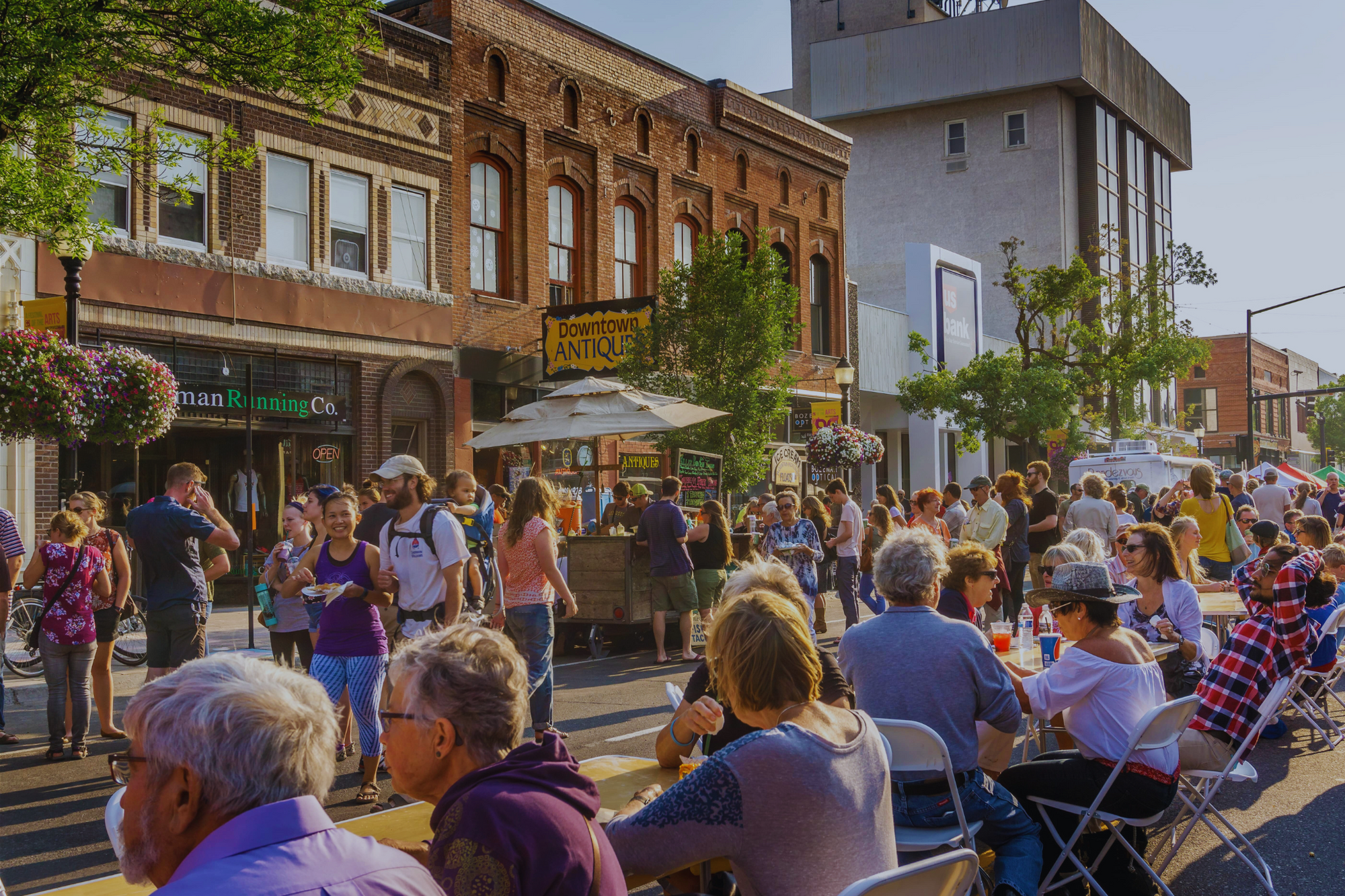
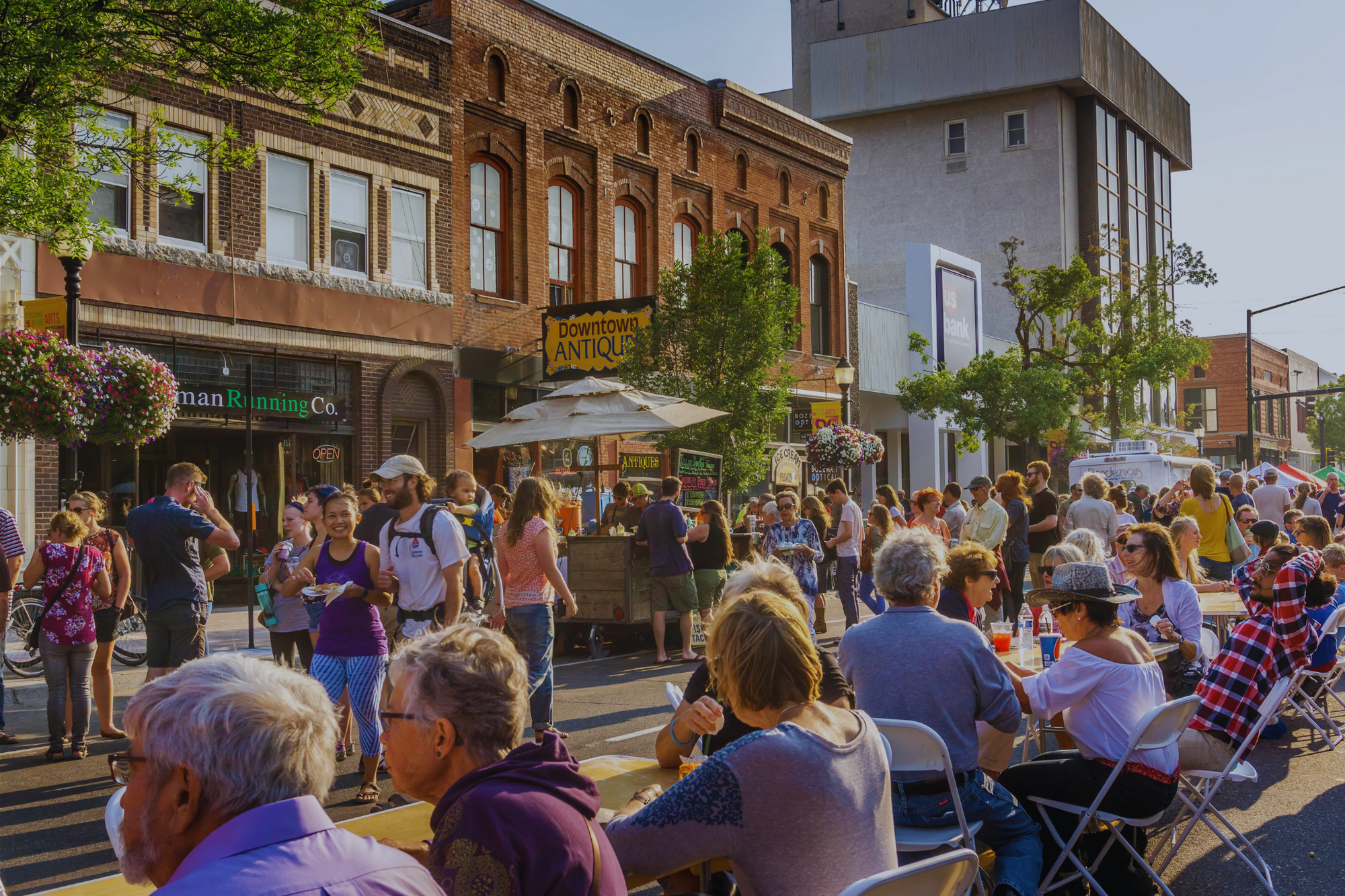
This one surprises people who think of Bozeman purely as an outdoor destination, and our downtown has a genuine luxury market whose buyers don’t overlap much with the mountain corridor. South Wilson historic homes regularly start above two million. The 101 Wallace building holds four luxury condos two blocks off Main Street overlooking Peets Hill and Lindley Park, which is one of the rarest walkable luxury addresses in the state. Nearby, BG Mill has condos starting around two million, and the Midtown corridor between 7th and downtown is slated for significant mixed-use transformation.
Buyers here are here for the city itself: the culture, the walkability, the restaurants. They want to leave the front door, grab a drink, come home with dinner. In a town whose identity is built on outdoor access, a real urban luxury tier is emerging, and the prices reflect it.
5. The Bridger Canyon corridor
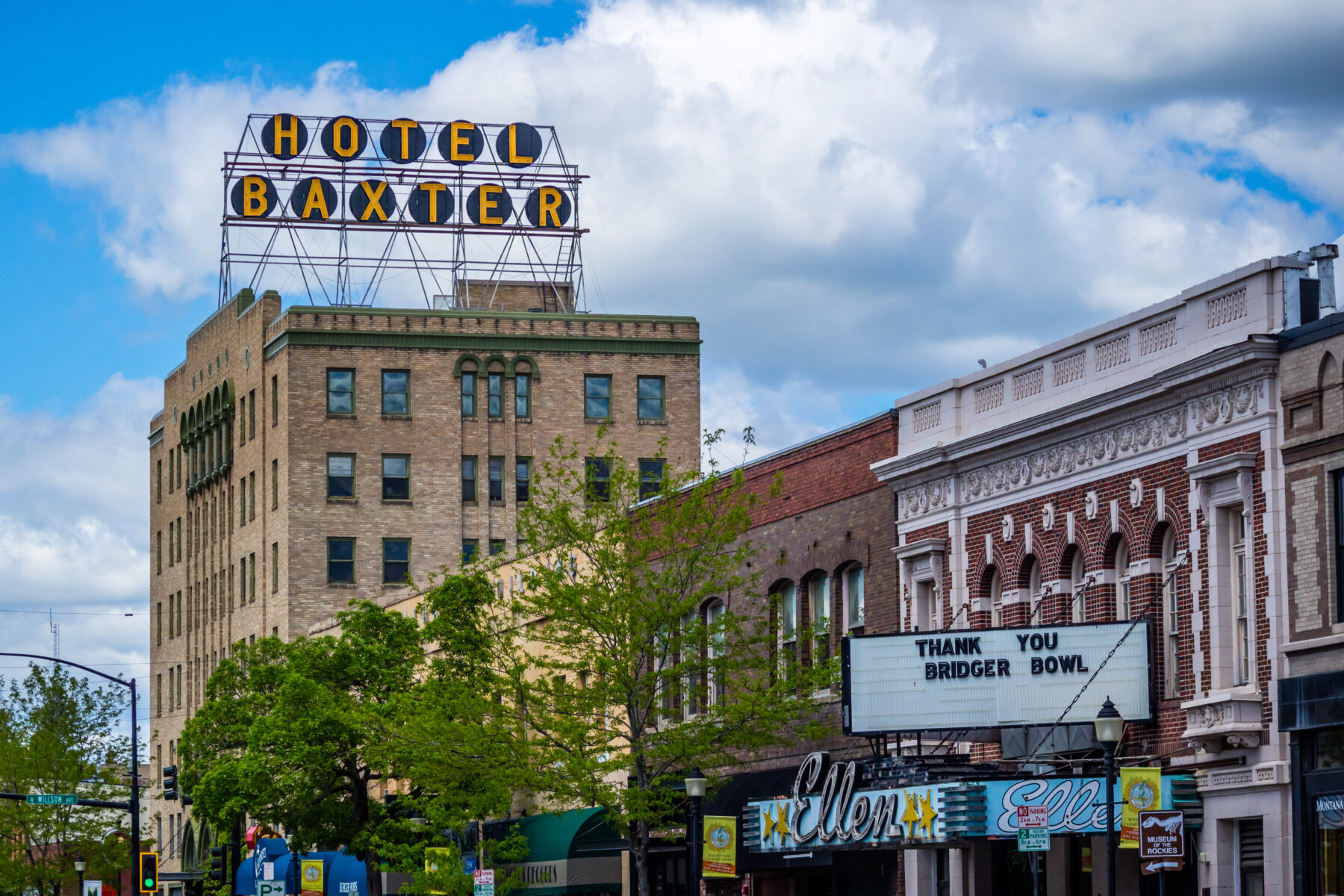
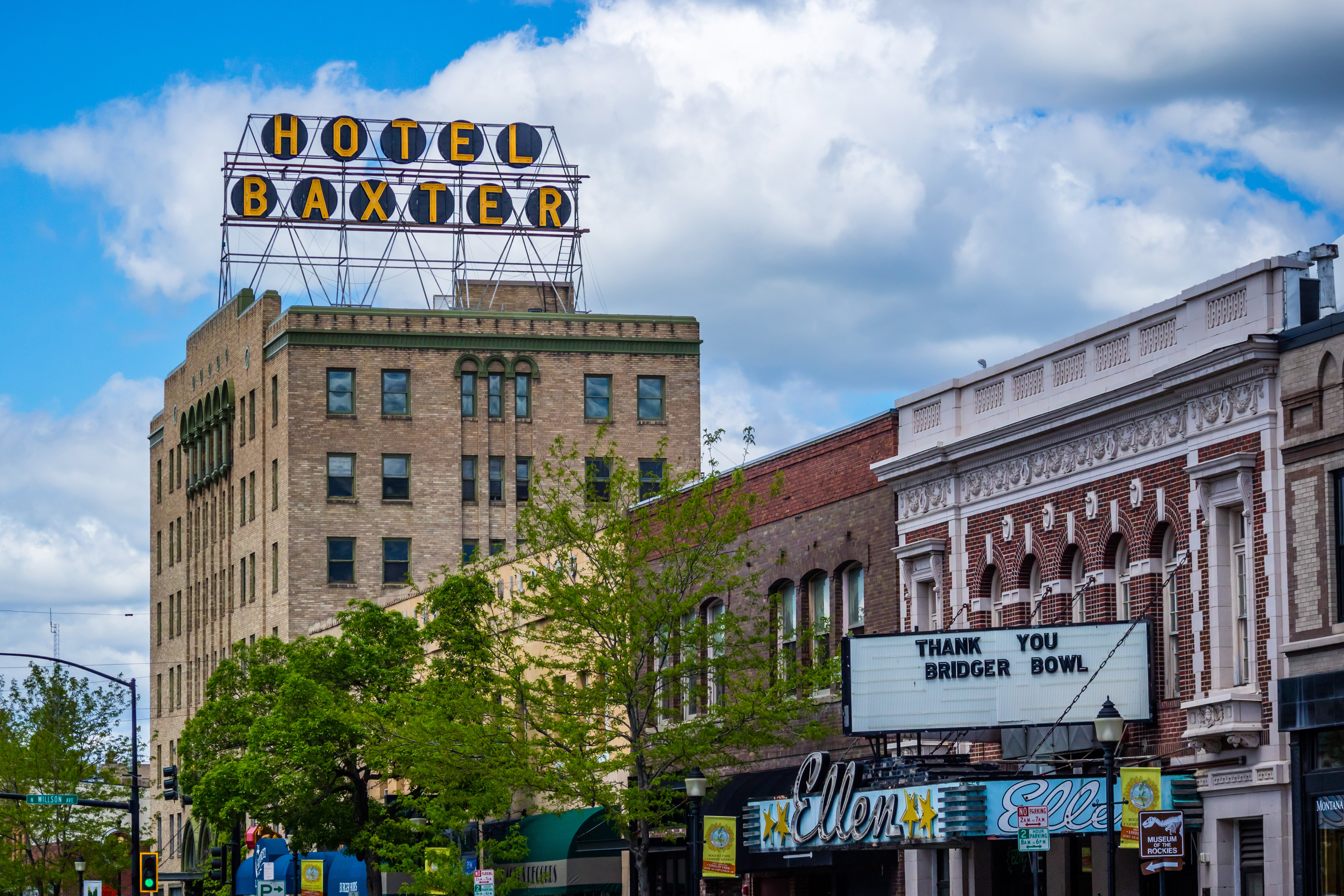
Bridger Canyon Road heads northeast past the Legends at Bridger Creek, the Headlands, and Creekwood toward Bridger Bowl. You’re sixteen miles from the ski area with trailheads at your fingertips, among custom homes, rustic modern architecture, and generously sized lots, generally running from about $1.5 million up to $5 million for the most custom builds.
That road is the only access, so supply carries a hard cap. Buyers who came to Montana for the mountains get to feel that daily here, and few places in the valley deliver it as directly.
6. Black Bull and the west-side golf corridor
Not every high-end buyer wants mountain isolation. Some want social structure built in from the day they arrive. Black Bull Golf Club offers custom homes on a championship course with panoramic mountain views and a community of high-net-worth neighbors, generally running from $1.5 million to $3 million and above.
This is the Montana version of what a private golf community offers elsewhere, and business gets done on the back nine. The school corridor sits right here, with downtown and the airport both easily reachable, which makes it a fundamentally different lifestyle from the mountain corridor.
7. Big Sky and the Spanish Peaks
The broader market surrounding the Yellowstone Club, where the median home price reached about $2 million in 2025. Spanish Peaks Mountain Club, sitting between Big Sky Resort and the Yellowstone Club, offers a private mountain community at a lower entry point, and lower is relative when homes trade in the multi-millions.
These buyers aren’t isolated. They’re 45 minutes from a major airport with direct flights to dozens of cities, living at the base of one of the largest ski areas in North America, and the commuter helicopter route from Bozeman’s airport up to the club is reportedly among the busiest in the country.
8. The Madison Valley and Ennis
The Madison is one of the most productive trout fisheries in the world, and properties along it and around Ennis are some of the most sought-after riparian real estate in the American West. Madison County has seen substantial appreciation since 2020 and land there keeps rising.
Buyers here fit a specific profile: serious anglers whose version of Montana has nothing to do with being seen and everything to do with the river. Many of these properties sell off-market among people who know people, so the Madison Valley runs on a different information circuit than the Bozeman market, and that’s part of the appeal.
9. Missoula
This one surprises people, and Missoula is where more of Montana’s own billionaires are based than anywhere else in the state. Washington Companies, built from a construction equipment operation into a global conglomerate spanning mining, shipping, and rail, is headquartered there, and the University of Montana’s Washington-Grizzly Stadium carries the family name.
That isn’t resort wealth or ranch wealth or tech money imported from elsewhere. It’s the kind of wealth that built Montana’s economy from the inside out, decades deep and rooted in the state. Every other area on this list is where wealth comes to play. Missoula is where a lot of Montana’s wealth got made.
10. Whitefish and Flathead Lake
Whitefish consistently ranks among Montana’s most expensive places to live, with Whitefish Mountain Resort right there, Flathead Lake, the largest natural freshwater lake west of the Mississippi, twenty minutes south, and Glacier National Park thirty minutes east.
Unlike most resort towns, Whitefish has a genuinely walkable downtown, which gives it a community character other places don’t have. The buyer profile skews Pacific Northwest, meaning Seattle, Portland, and Vancouver, so it’s a different audience than Bozeman and Big Sky draw. Flathead Lake waterfront sits in its own category, rarely coming up and not sitting long when it does. Whitefish is roughly what Big Sky would look like with a real town wrapped around it.
What all ten share, and why it matters at every price point
These areas have geography that isn’t going anywhere. Mountains don’t move, rivers don’t relocate, and private communities don’t expand past their caps. Supply is structurally limited everywhere on this list, and that’s the point rather than a coincidence.
The high end figured out a long time ago that the best positions in Montana are the ones that can’t be replicated. For Bozeman, the same principle operates all the way down the price ladder. The logic making Bridger Canyon the address it is also explains why the south side of Bozeman holds value through every market cycle. Geographic constraint paired with lifestyle access is what creates durable demand.
So whether you’re evaluating a Paradise Valley ranch or a home in Flanders Mill, you’re working through the same underlying equation. Weighing that against the life you want is what the Montana Move Method is built to do. For the areas closer to home, start with our Bozeman subdivisions guide.
Prefer to watch?
Here’s the full walk-through of all ten areas.

If the video doesn’t load, you can watch it here on YouTube.
Montana’s high end: quick answers
What is the most expensive place to live in Montana?
The Yellowstone Club west of Big Sky sits at the top, with a mid-six-figure initiation, annual dues, condos starting in the several millions, and custom homes above twenty million. Outside private clubs, Big Sky, Paradise Valley, and Whitefish carry the highest prices in the state.
How much does Yellowstone Club membership cost?
Initiation runs in the mid six figures, with annual dues on top, and membership is capped a little above 900 with the club running close to that number. Membership requires owning property inside the club.
Where do Montana’s billionaires live?
More of Montana’s resident billionaires are based in Missoula than anywhere else in the state, which is where a substantial share of the state’s own wealth was built rather than imported. The resort and ranch wealth concentrates instead around Big Sky, Paradise Valley, and the Flathead.
Why is Paradise Valley so expensive?
Paradise Valley is bounded by the Absaroka Range on one side and the Gallatin Range on the other, so the amount of land in it is permanently fixed. Add Yellowstone River frontage and the park entrance at the south end, and supply cannot grow to meet demand.
Does luxury real estate in Montana sell off-market?
A significant share of the highest-end transactions in Montana never reach the MLS, particularly inside private communities and along the Madison. Combined with Montana being a non-disclosure state, that means public data understates the true ceiling of this market.
What do Montana’s high-end areas have in common?
Every one of them has structurally limited supply, whether from mountains, rivers, a single access road, or a membership cap. That constraint paired with lifestyle access is what has produced durable demand across market cycles.
Working at the top of this market?
Buying or selling at this level depends on knowing what’s actually trading, including the transactions that never go public. Book a call with me and tell me what you’re evaluating. I’ll give you the real comparable picture rather than the one a public estimate shows.