
The median home inside Bozeman city limits sits around $790,000. Property tax on that house comes in lower than what you'd pay on the same house in Texas. Montana has no statewide sales tax at all, and the top state income tax rate is 5.65%, while California's top rate is more than double that.
So one of the more expensive housing markets in the Rockies sits inside a tax setup most states can't touch, and that changes the whole cost-of-living picture. Here's what it costs to live in Bozeman: housing, taxes, utilities, and the week-to-week spending. At the end I'll get to the one cost that never lands in a calculator, which is the one that decides whether people stay.
Rather listen than read? I walk through all of it on camera: The True Cost of Living in Bozeman.
The short version
Living in Bozeman lands roughly 20 to 30% above the national average by everything you can measure, and housing drives almost all of that.
Taxes and utilities push hard in the other direction. No sales tax, a top income rate of 5.65%, and utility costs below the national average.
Dining and services run 15 to 40% above national, which is the part you feel week to week rather than once a month.
How much does it cost to live in Bozeman?
Living in Bozeman runs roughly 20 to 30% above the national average overall, with housing as the single biggest driver at somewhere around 50% above national. Taxes work strongly in your favor here, since Montana charges no statewide sales tax and utilities run below the national average. Whether the math works depends almost entirely on whether your income came with you or you're earning it locally.
Taxes: where the biggest surprise lives
Taxes are the first thing coastal movers feel when they arrive, and the missing sales tax is worth real money. The price on the tag is the price at the register, on groceries, clothes, and a new truck alike. Coming from Los Angeles or Seattle, you've been paying 9 to 10% on top of most purchases, so on $50,000 a year of taxable spending that's $4,000 to $5,000 staying in your pocket annually.
Income tax works the same direction. Montana runs two brackets: most income gets taxed at 4.7%, and the top rate is 5.65%. Compare that against California at 13.3% or New York at 10.9%. Is that rate holding? It's dropping. The next cut is already signed into law, taking the top rate to 5.4% while widening the lower bracket further, so for a lot of two-income households most of what you earn never touches the top bracket.
Which brings up the one everybody braces for. You'd expect a painful property tax bill at these home values, and the rate here sits below the national average, with a lower homestead rate on primary residences. On a $700,000 home in Gallatin County, plan on roughly $6,000 to $7,000 a year. Down in Texas, where rates run close to double ours, that same house costs somewhere around $10,000 to $12,000. Put together, the tax picture offsets a real share of what you're paying for housing, and almost nobody sits down to calculate it.
Bozeman home prices: the number that makes buyers nervous
Taxes are the good news. Housing is what decides whether this move works on paper. Over the last several months the median single-family home inside Bozeman city limits has been landing between roughly $740,000 and $790,000.
What happens when you look past city limits? The numbers drop fast. Belgrade sits fifteen minutes down the road and the median there has been running right around $590,000 to $600,000, which is $150,000 to $200,000 less. Condos and townhomes across the county have been landing in the high $400,000s to just over $500,000, and that's the most common entry point into this market.
Is housing a deal breaker for a lot of people? Yes, and I'd rather say that than dance around it. Housing here runs somewhere around 50% above the national average and it's the single biggest driver of our cost of living. Lined up against California or Washington, though, the valley starts to look reasonable.
If you're not ready to buy at all, plan on roughly $2,000 to $2,500 a month for a two-bedroom. Plenty of my clients rent for a year or more first, and it's a smart way to find out which part of this valley fits before you commit to a mortgage in it.

Utilities run cheaper than people expect
Utilities land somewhere between 7 and 16% below the national average here, which catches people off guard in a place with real winters. The reason is natural gas, since heating with gas costs far less than heating with electricity in a cold climate, and NorthWestern Energy supplies both.
On a real bill for a midsize home, expect roughly $100 to $150 a month in the mild months and $200 to $300 in the deep of January and February. Internet, trash, city water, and sewer together add up to around $140 a month.
One question I get all summer: do homes here have air conditioning? A lot of older ones don't. Days get warm and then it cools right off at night, so most people manage fine with the windows open. If air conditioning matters to you, look at newer construction.
Cars, commutes, and the week-to-week premium
Gas at the pump has been sitting near the national average, sometimes a little under. Could you get by without a car here? Probably not, since public transit is limited, so plan on a reliable vehicle, and all-wheel or four-wheel drive will earn its keep the first real storm you see. Commutes stay short though, and fifteen to twenty minutes gets you across most of the valley.
Dining out has gotten more expensive. A nice dinner for two starts around $80 before tip, a pint of beer runs $6 or $7, and a latte starts at $6. Services trend the same way, with haircuts, gym memberships, vet visits, and entertainment mostly landing 15 to 40% above national averages. That's the part of the budget you feel week to week rather than once a month.
The cost no calculator includes
Here's the one I promised, and it's where the whole equation turns around. When I lived in Southern California, I had to budget for my weekends. Entertainment, travel to get out of the city, and things you buy to make up for the life you aren't living.
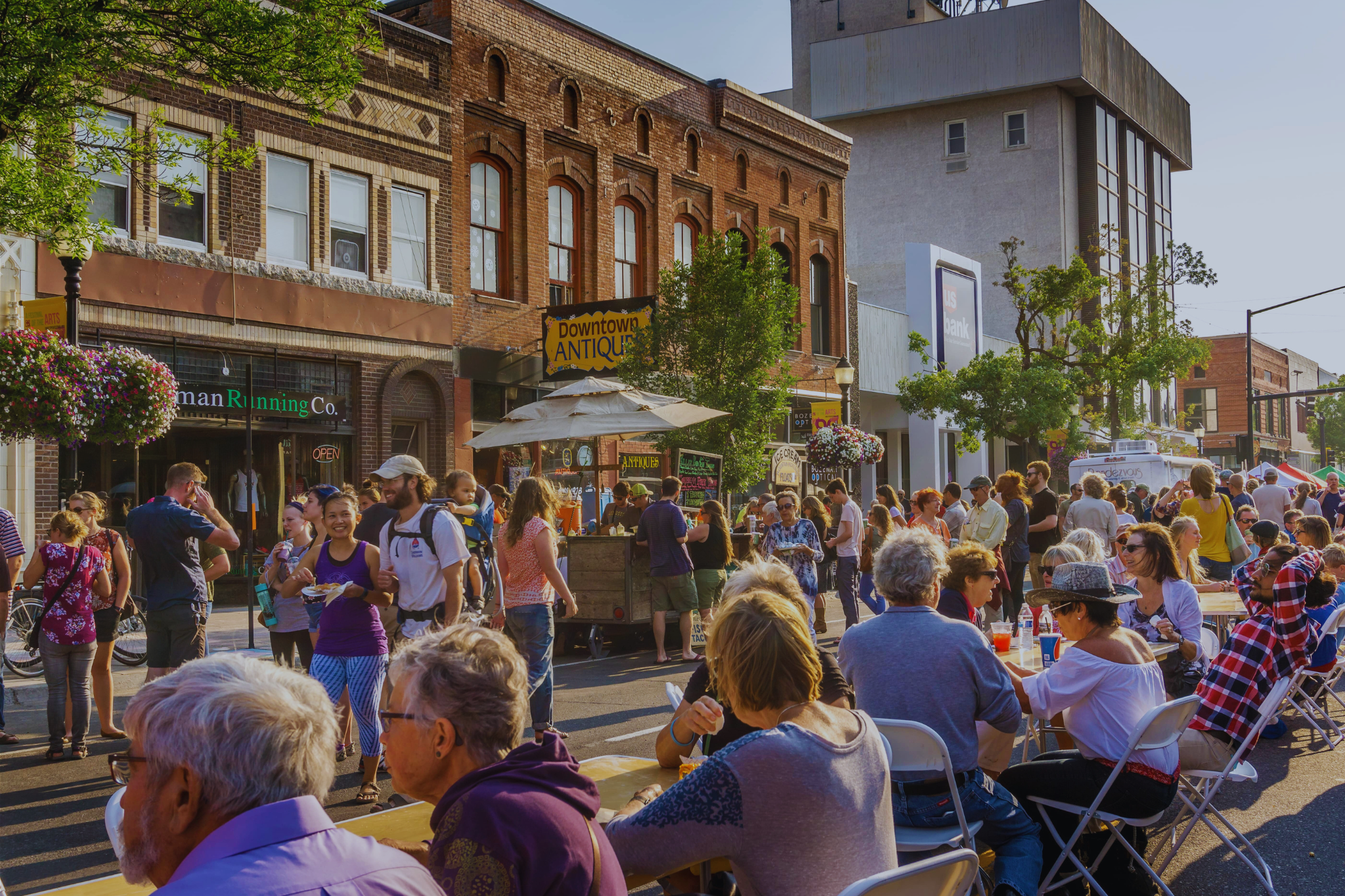
Here, most of what fills a great weekend is free or close to it. Trails start at the edge of town. A resident fishing license runs about $30 a year for some of the best water in the country. Bridger Bowl is sixteen miles from downtown, community-owned, with a season pass around $950 at the early rate. Music on Main is free all summer, and the Christmas Stroll shuts down Main Street in December with half the town showing up.
None of that appears in a cost-of-living index, and it's real money. If your budget somewhere else includes paying to escape your daily life, a lot of that spending goes away here, because the place you'd be escaping to is out your front door. That's the lifestyle side of the wealth equation, and it deserves a line in your math next to the mortgage.
What it adds up to, and where your equity fits
Bozeman costs more than the average American city and housing is the reason. Taxes and utilities push hard in your favor, you'll pay a premium on dining and services, and the life bundled with the address is what makes people who move here stay.
Coming from a coastal market, the equity sitting in your current home is the biggest lever you have in this move, and timing decides how much of it makes the trip with you. The most expensive version of this decision is usually the one where somebody researches for another three years while prices keep moving. Waiting carries a price too, even when it doesn't feel like one.
I ran these numbers myself before I committed to the Gallatin Valley in 2016, and now my clients run the same ones, weighing what a home builds financially against whether the life is worth what it costs. That's why I built the Montana Move Method. If a move here is on your radar, even a few years out, start with our guide to relocating to Bozeman.
Prefer to watch?
Here's the full breakdown on camera, category by category.
If the video doesn't load, you can watch it here on YouTube.
Cost of living in Bozeman: quick answers
How much does it cost to live in Bozeman, Montana?
Living in Bozeman runs roughly 20 to 30% above the national average overall, with housing about 50% above national and driving most of that gap. Utilities run below the national average and there's no statewide sales tax, which offsets part of the housing premium.
Does Montana have a sales tax?
Montana has no general statewide sales tax, so the price on the tag is what you pay at the register. A few resort towns levy a local tax on some purchases, so it isn't universal, but it applies to most of what you buy in the state.
What are property taxes like in Bozeman?
Property tax rates in Montana sit below the national average, with a lower rate applied to primary residences. On a $700,000 home in Gallatin County, expect roughly $6,000 to $7,000 a year, compared with $10,000 to $12,000 on a similar home in Texas.
How much is rent in Bozeman?
A two-bedroom in Bozeman generally runs $2,000 to $2,500 a month. Renting for a year before buying is common among people relocating here, and it's a practical way to learn which part of the valley fits.
What is the median home price in Bozeman?
The median single-family home inside Bozeman city limits has been landing between roughly $740,000 and $790,000 over recent months. Belgrade runs about $150,000 to $200,000 lower, and condos and townhomes across the county land in the high $400,000s to just over $500,000.
Are utilities expensive in Bozeman?
Utilities in Bozeman run roughly 7 to 16% below the national average, largely because natural gas heating costs far less than electric heating in a cold climate. Expect $100 to $150 a month in mild months and $200 to $300 in January and February, plus about $140 for internet, trash, water, and sewer.
Want to run your own numbers?
If you're weighing this move, the version of these figures that matters is yours, not the averages. Book a call with me and bring what you're working with: where you're coming from, what your current home would sell for, and what you'd be earning here. I'll show you what that buys in this valley and what the monthly picture actually looks like.
Keep reading
Posted by Chase Heiland on
Enjoy this blog post? Click here to subscribe for updates
Leave A Comment