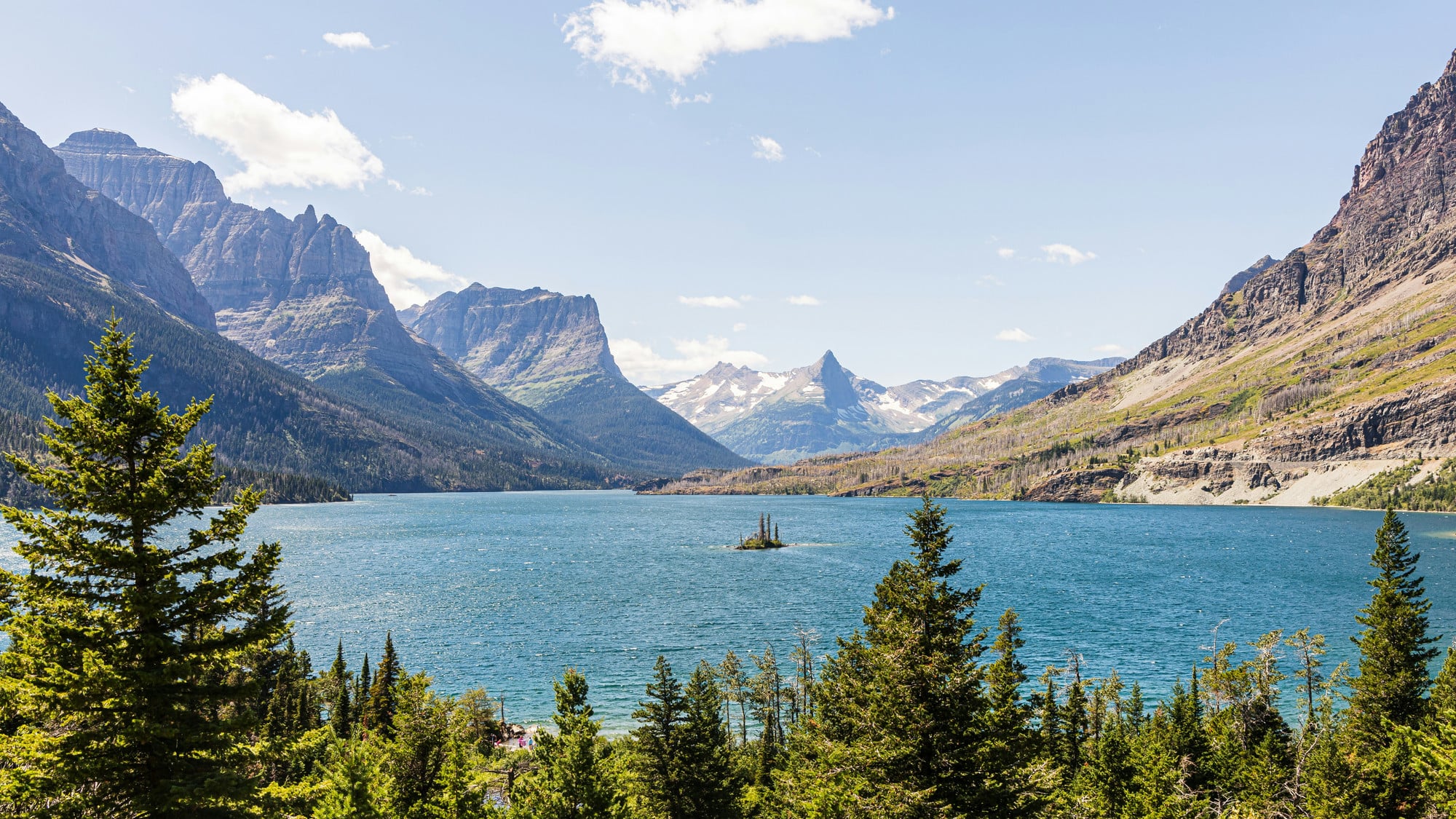
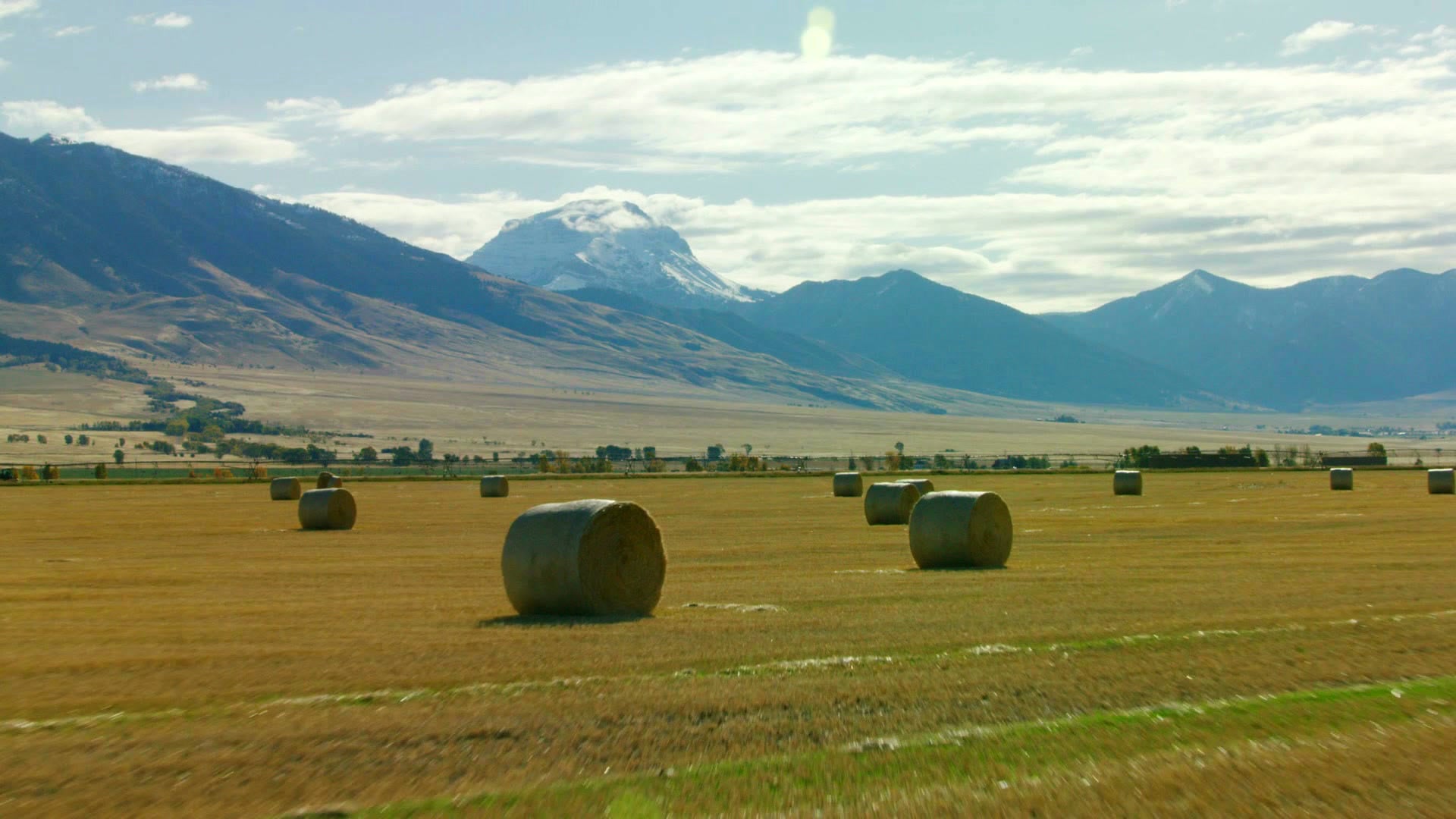
The typical home in Montana now sells for more than half a million dollars, and the median household here brings in about $77,000 a year. So a home costs close to seven times what people living in Montana actually earn. If you’ve been looking at listings from somewhere else and running that math late at night, I get why a lot of people give up on the idea of living in Montana before they ever book a trip out here.
But the price of the house isn’t the whole cost of living in Montana, and one of the pros below helps offset that number by several thousand dollars a year in a lot of cases. I’ve got four pros and four cons for you, starting with the money since that’s where most people stop, and near the end I’ll tell you where in Montana I’d put my own money right now and why I wouldn’t wait.
Rather listen than read? The full version is on camera: The REAL Pros and Cons of Living in Montana.
The short version
Montana’s biggest con is the cost of living, with a typical home selling for close to seven times the state’s median household income, and mountain towns like Bozeman running close to twice the price of Billings.
Living in Montana puts about a third of the state’s land within reach as public land, so hiking, hunting, camping and fishing can happen on a Tuesday evening after work.
Winter, rural upkeep and distance are the other three cons, from snow that can last October into April to wells, septic systems, water rights and long drives to specialists and airports.
Taxes are the pro that helps offset the price, since Montana has no statewide sales tax and a falling income tax, and a household earning around $250,000 can keep somewhere around $6,000 to $7,000 a year compared with California.
What are the pros and cons of living in Montana?
The biggest pros of living in Montana are easy access to public land, plenty of room with fewer than eight people per square mile, no statewide sales tax, and a real chance to build wealth in a state that’s still growing. Against those, you’d weigh home prices well ahead of what Montana jobs pay, a winter that can run from October into April, the upkeep that comes with a rural home, and long drives to specialists, airports and big box stores. Most of them come down to which part of Montana you pick and whether you plan for them before you move.
The cost of living in Montana starts with the house
Con number one is the cost of living, and most of that comes down to the price of a home against what Montana jobs pay. What’s easy to miss is how much that price changes depending on which part of Montana you’re looking at. The towns people picture when they think about living in Montana, places like Bozeman, Whitefish and Big Sky, are some of the most expensive spots to buy a home in the entire state.
Inside the city of Bozeman, the median home sold for $740,000 in October 2026. In Billings, the median is closer to $390,000, so a home in Bozeman costs close to twice as much as it does in Billings. That’s a big difference inside one state. Before you fall in love with a house, it’s worth deciding whether you’re shopping for the mountain-town lifestyle or for the most house your money can buy, because in a lot of Montana you’re going to have to choose between the two.
When the math works in a mountain town
In my experience, the math works best when at least one income comes from outside of Montana, like remote work or a business you own, or when you’re bringing equity from selling a home somewhere more expensive. If the plan is to buy in one of the mountain towns on a Montana paycheck, that’s usually where the math gets a little hard, and it’s much better to know that before you start touring homes. Keep that in mind, because one of the pros further down helps offset this.
Public land you can reach after work
The first pro is how easy it is to get outside, and for me this is the one that can really change your life if it’s something you actually enjoy. About a third of Montana is public land between the national forests, the Bureau of Land Management and state land, and you can hike, hunt, camp and fish on it without needing to know the landowner or join a private club. Montana’s stream access law also lets you float and fish rivers and streams up to the ordinary high-water mark, as long as you get onto the water from a public spot and don’t cross private land to get there.
So what does that look like day to day? It means you don’t really have to plan for any of it. Getting outside can be something you do after work on a Tuesday or Wednesday evening without setting aside a whole weekend, and that ease of access is a big part of why I moved here in the first place. It’s still one of the main reasons I’m here.
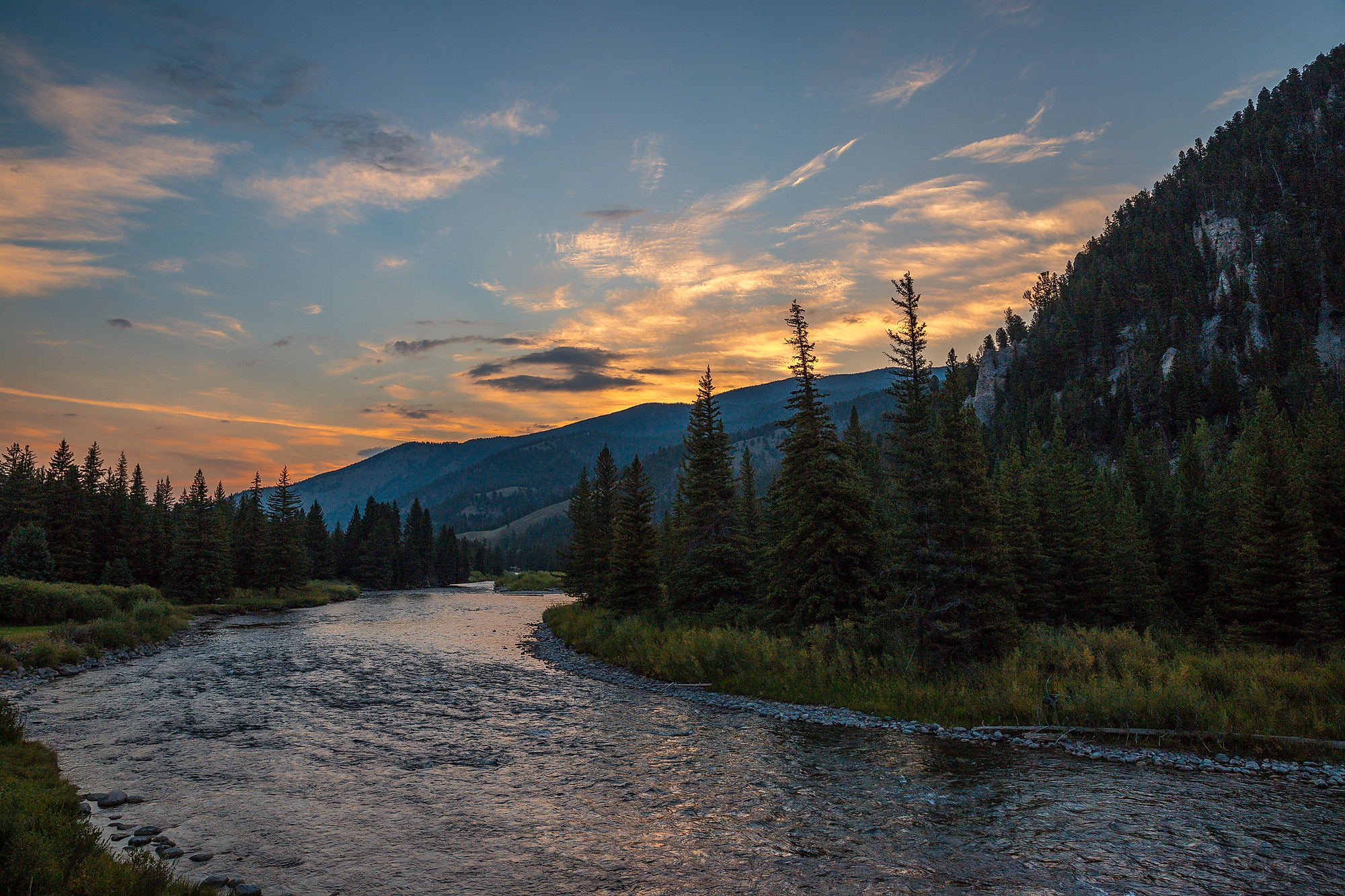
If you don’t spend much time outside, I’d weigh this one a little bit less. A big part of what makes Montana expensive, I think, is people paying to live close to all of this recreation.
How long a Montana winter really lasts
All of that outdoor time looks a little different from November to April, which brings me to con number two, the winter. So how hard is winter really? For most people, I’d say the hardest part is how long it lasts. Snow can show up in October and still be on the ground in April, and in December the sun goes down around 4:40 in the afternoon in Bozeman, so plenty of folks drive to work and back home completely in the dark. That’s the part people tend to underestimate.
What that means for you is a vehicle that can handle snow and ice, a plan for clearing your driveway, and an honest take on whether you actually like winter or just tolerate it. I’d really encourage you to spend a few days here in the middle of winter before you buy, because a sunny week in July doesn’t tell you much about what February feels like.
Fewer than eight people per square mile
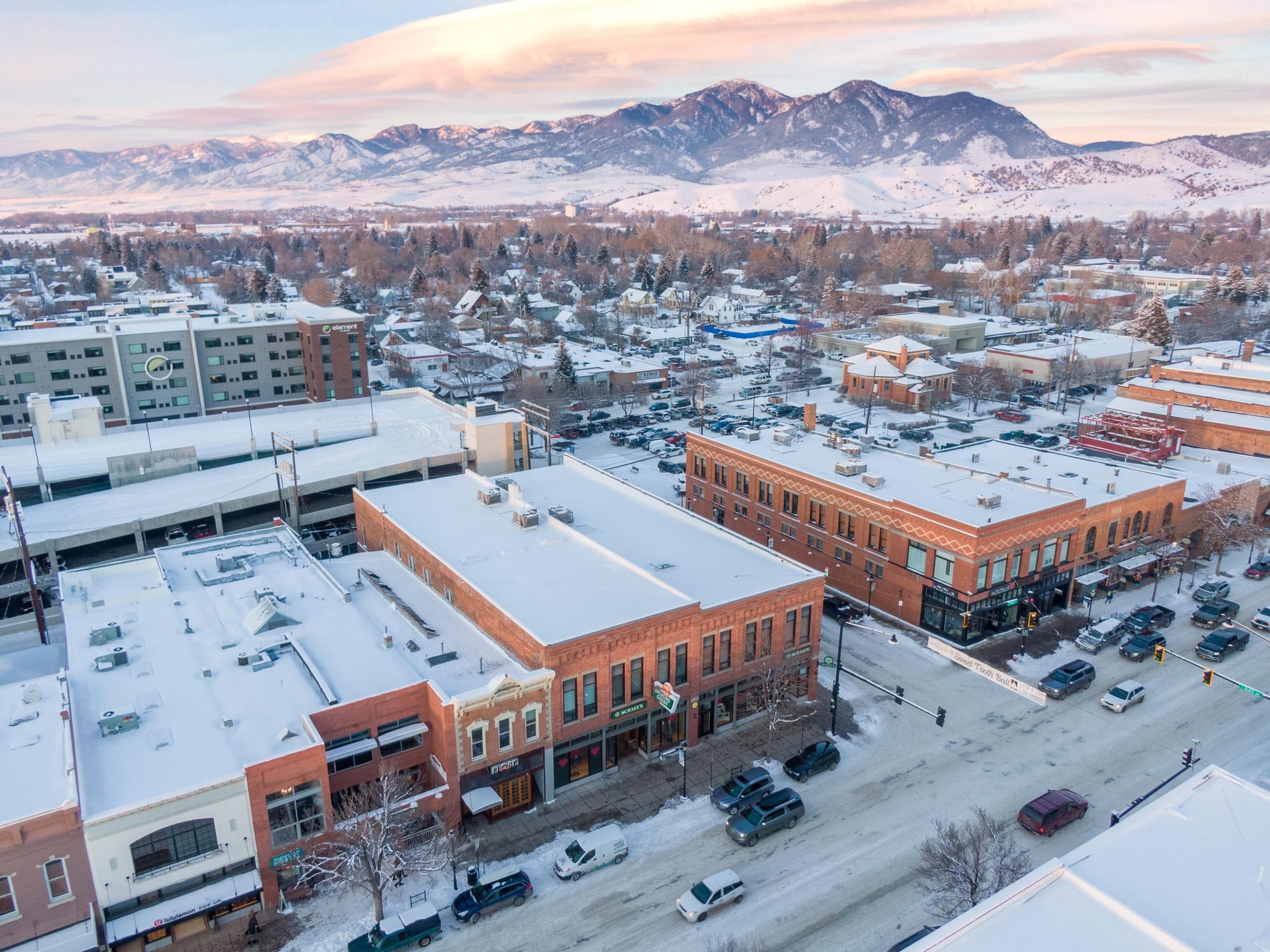
Pro number two is something you feel all year long, and that’s how much room there is here. There are about 1.1 million people in the entire state of Montana, which works out to fewer than eight people per square mile, so even the bigger towns here feel much smaller than a city of the same size somewhere else.
For you, that means less traffic, shorter lines, and a better chance of running into the same people at the coffee shop, the trailhead and the hardware store until they actually start to know you. I’ve also found most people here made a real choice to live in Montana, and I think that changes how neighbors treat each other. And for a lot of people I’ve helped move here, that ends up mattering far more than they ever expected it would.
The upkeep that comes with a rural Montana home
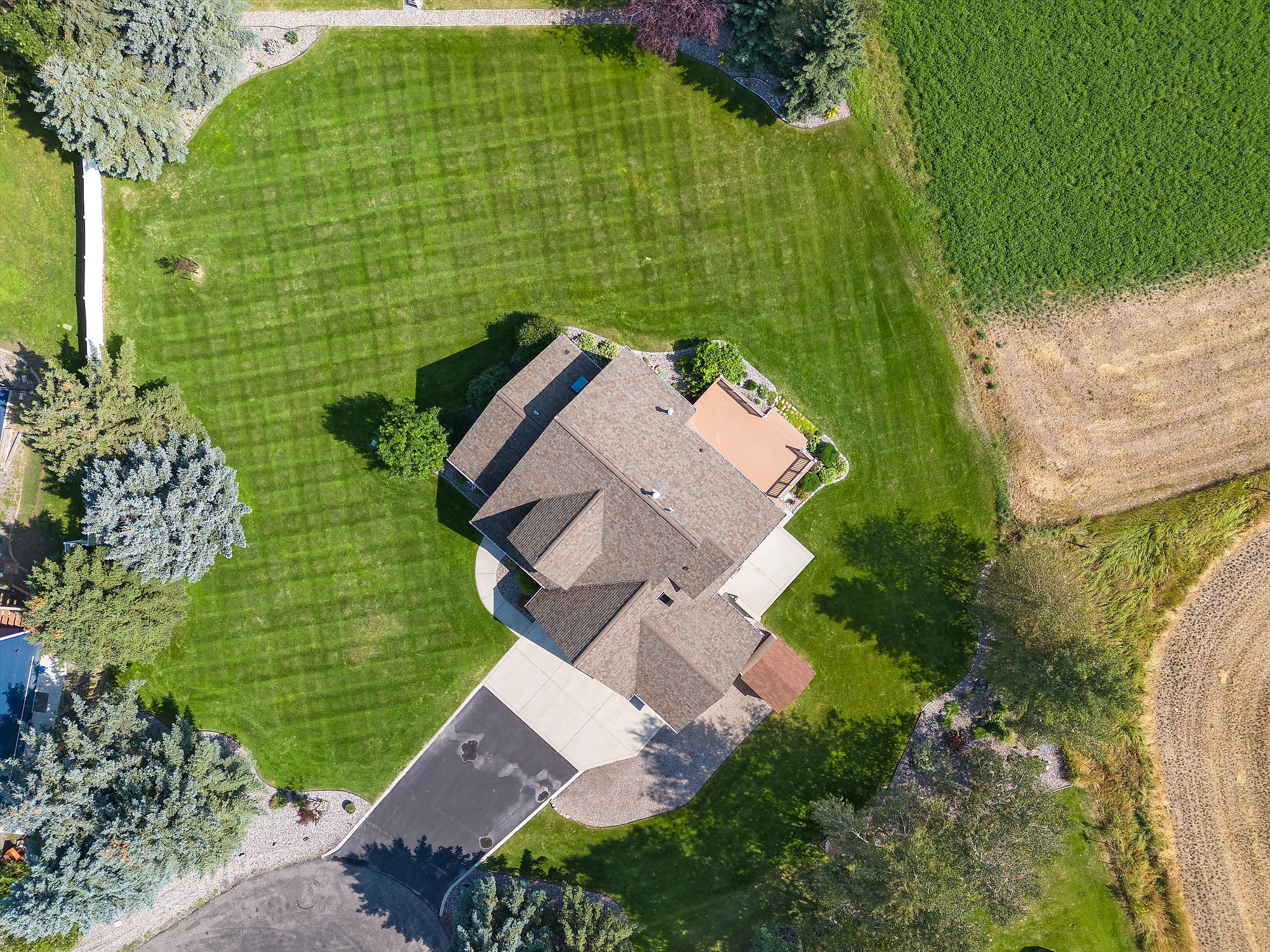
Con number three catches people off guard all the time, especially when the home they’re leaving had city water, city sewer and a street somebody else plowed. Once you’re out in the country, a lot of homes in Montana run on a well and a septic system. The road might be private, and plowing it in the winter can be on you entirely or something you split with the neighbors.
Water is a big one, because in Montana the water belongs to the state. A creek running through a property doesn’t automatically mean you have the right to use it, so you want to know exactly what water rights come with the land.
What I’d check before writing an offer
If I were buying out there, I’d test the well, have the septic inspected, check the water rights, find out who maintains the road, and get a homeowners insurance quote before writing an offer. In areas with a lot of trees and wildfire risk, that premium can change what the house really costs you. None of that is a reason not to buy a place with some land. It’s real money, real time and real work, though, and it’s a lot easier to plan for while you’re still under contract.
No sales tax and a falling income tax
Remember that number from the start, where a typical home costs close to seven times what a household earns here? Pro number three is the one that helps offset it, and that’s the way Montana taxes you.
Montana has no statewide sales tax, so the price on the tag is what you pay for your car, your furniture, your gear and just about everything else. If you’re coming from California, where the average combined sales tax is around 9%, you’d keep roughly $3,600 a year on about $40,000 of taxable spending.
Montana does have an income tax, with a top rate of 5.65% in 2026 that drops to 5.4% in 2027. For a household earning around $250,000, that works out to roughly $3,000 a year less than California on the same taxable income, and the gap gets bigger as income goes up. Does that close the whole gap on the house? Not all of it. Between the two, though, a household like that can keep somewhere around $6,000 or $7,000 a year, and for someone bringing a paycheck from out of state, that covers a real part of what the house costs.
From what I’ve seen, this is the pro that surprises people the most, because they look at the home price, stop there, and never run the other half of the math. It’s something I really felt for myself when I moved here.
Apply for the homestead rate
When you buy a home here, make sure you apply for the lower homestead property tax rate the state created in 2025. It only goes to a home you live in at least seven months of the year, and if you skip that step, your home is taxed at the same rate as a second home. I went through the details in Montana’s homestead exemption.
If you’re seriously thinking about living in Montana, I’d put the house payment, the property taxes, what you’d save on sales tax and income tax, and what the winter actually costs you all on one page, because that page tells you whether this really works for you. When your income comes from outside of Montana, that page usually looks a lot better than the list price alone would make you think.
Distance to doctors, flights and Costco
The last con is distance, and it shows up in more places than the drive between towns. In much of Montana, seeing a specialist can mean a couple of hours in the car, flying anywhere far usually means a connection, and in the smaller towns, getting a contractor out to fix your furnace can take a few weeks. If you’re used to having everything within 20 minutes, a Costco or big box shopping run might be an hour or more away, depending on the town, and that takes some getting used to.
So if you see a specialist now, I’d find out where you’d see them here before you buy a home. I’d also look at how far the house is from the nearest hospital and the airport, because that tends to matter more the longer you live here.
Where I’d put my own money in Montana
Pro number four is the one I’d actually put my own money behind, and it’s that Montana is still a place where you can build real wealth. Montana is on the map now in a way it just wasn’t before. The state grew by about 7,100 people last year, and all of that growth came from people moving in, since deaths outnumbered births. I think the state as a whole is going to keep growing, and I don’t expect it to get any more affordable than it is right now.
So where would I put my own money? I’d put it somewhere in Montana I could really see myself living, either now or at some point down the road, even if it’s only for five years. You never know what life is going to do. If your plans take you somewhere else for a while, even abroad, you’d still own a place in Montana to come back to when the time is right. And if you rent it long term as someone’s main residence while you’re away, the state gives that home the lower property tax rate too. That way you’re building wealth and getting the lifestyle you want today, and you’ve locked in that access for the years ahead.
Why I landed in the Gallatin Valley
I’m a little biased toward the Gallatin Valley. When I first moved to Montana, I lived in the Flathead Valley for a little over two years, and it is phenomenally beautiful up there. The winters were simply a little too brutal for me, though, and the culture in the Gallatin Valley is just a little more my speed.
There are beautiful places all over Montana. The Flathead is still really dear to me, I love the energy in Missoula, and I love getting away to little towns like Red Lodge, up to the Swan Valley and the Jewel Basin, or over to Paradise Valley, Glacier and Yellowstone. To me, the natural beauty here is completely unbeatable, so if one of those places is the one you keep coming back to, that’s probably where I’d start looking.
Do the pros outweigh the cons?
Eight pros and cons can make it sound like you just add them up and see which side wins. I’d say most of them really come down to which part of Montana you pick and whether you plan for them before you make the move. A move like this is one of the biggest financial decisions most people will ever make, and the folks who plan it carefully end up ahead on both the money and the life. That’s what we built the Montana Move Method to do, growing your money and the quality of your life at the same time. If you’re starting to plan, our guide to relocating to Bozeman is a good place to begin, and why people are leaving Montana covers the other side of this.
Prefer to watch?
Here’s the full video, including where I’d put my own money in Montana.

If the video doesn’t load, you can watch it here on YouTube.
Living in Montana: quick answers
What are the pros and cons of living in Montana?
Living in Montana comes with easy access to public land, fewer than eight people per square mile, no statewide sales tax and a growing state where you can build wealth. The cons to weigh against that are home prices well ahead of local pay, a winter that can run October into April, rural upkeep and long drives to specialists and airports.
Is Montana expensive to live in?
Housing is what makes Montana expensive. The typical Montana home sold for more than $500,000 in fall 2026, while the state’s median household income is about $77,000 a year. Prices vary a lot by town, and inside Bozeman city limits the median was $740,000 in October 2026, close to twice the roughly $390,000 median in Billings.
Does Montana have a sales tax?
Montana has no statewide sales tax, so the price on the tag is what you pay for a car, furniture or gear. Compared with California’s average combined sales tax of about 9% in 2026, that keeps roughly $3,600 a year in your pocket on $40,000 of taxable spending.
How high is Montana’s income tax?
The top income tax rate in Montana is 5.65% for 2026 and is scheduled to drop to 5.4% in 2027. For a household earning around $250,000, that’s roughly $3,000 a year less than California on the same taxable income, and combined with no sales tax, the savings can reach about $6,000 to $7,000 a year.
What is the Montana homestead property tax rate?
Montana’s homestead rate is a lower property tax rate the state created in 2025 for a home you live in at least seven months of the year. You have to apply for it, and a home without it is taxed at the same rate as a second home. A long-term rental used as someone’s main residence also qualifies.
How long does winter last in Montana?
Winter in Montana can bring snow as early as October that stays on the ground into April. In Bozeman, the December sun sets around 4:40 in the afternoon, so many commutes happen in the dark. A vehicle that handles snow and ice and a plan for clearing your driveway are part of living in Montana.
What should you check before buying a rural home in Montana?
Before buying a rural Montana home, test the well, have the septic system inspected, confirm exactly which water rights come with the land, find out who maintains and plows the road, and get a homeowners insurance quote. In areas with heavy trees and wildfire risk, insurance can change what the property really costs.
Is Montana still growing?
Montana is still growing. The state added about 7,100 people between July 2024 and July 2025, according to Census Bureau estimates, and all of that growth came from people moving in, since deaths outnumbered births. Montana has about 1.1 million people, which works out to fewer than eight people per square mile.
Which part of Montana are you looking at?
Tell me which pro or con you’d weigh the most and which part of Montana you’re looking at, and we’ll talk about what this looks like for you, from the house payment and the tax math to how winter and distance fit into your plans. Book a call with me.
A note on these numbers: Montana is a non-disclosure state, so real sold prices are not public. The Bozeman median comes from Big Sky Country MLS data for October 2026. Statewide and Billings home prices come from Redfin, income and population figures from the US Census Bureau, and tax figures from the Montana Department of Revenue and the Tax Foundation. Tax comparisons are estimates, so talk with a tax professional about your own situation.