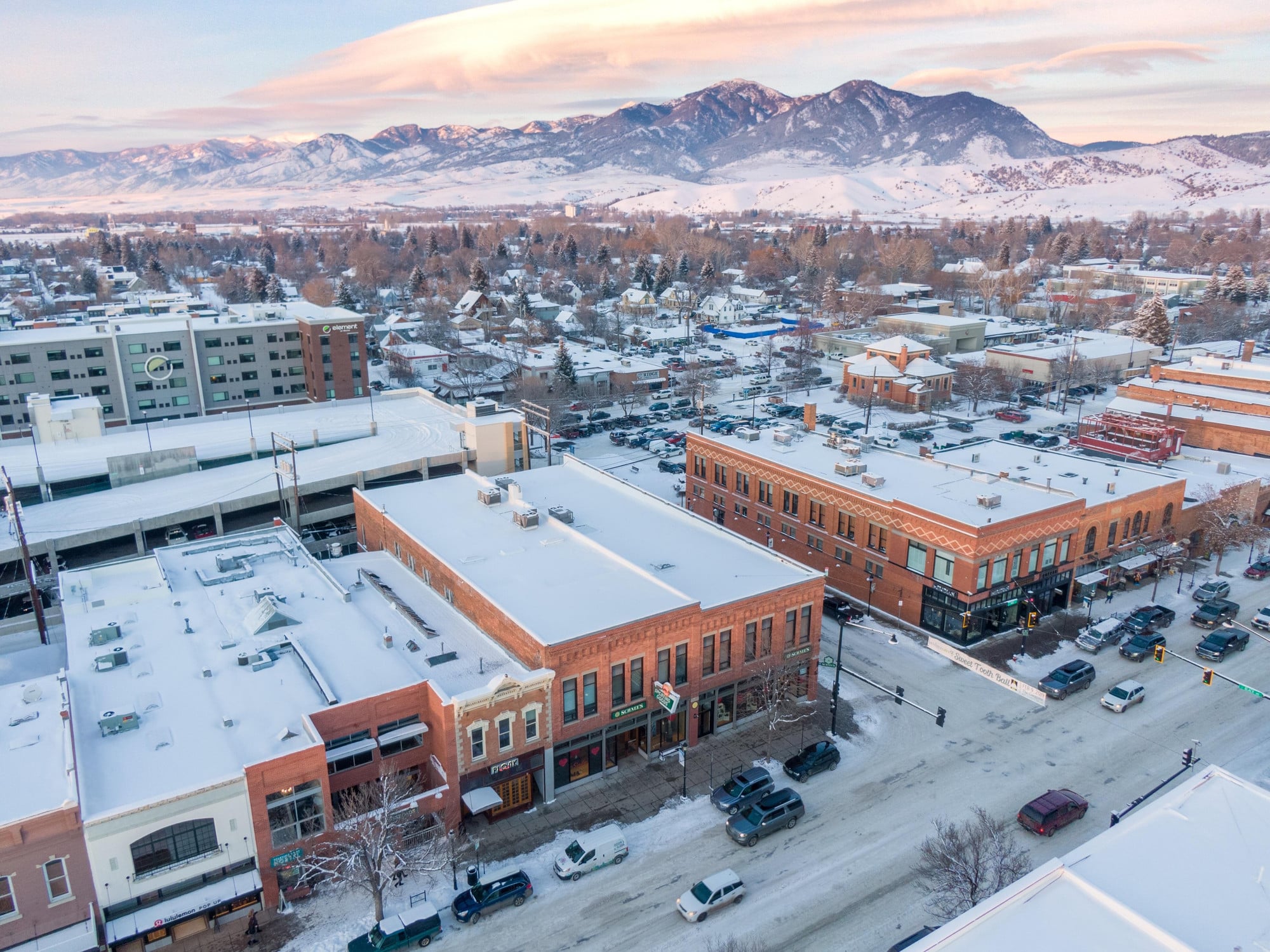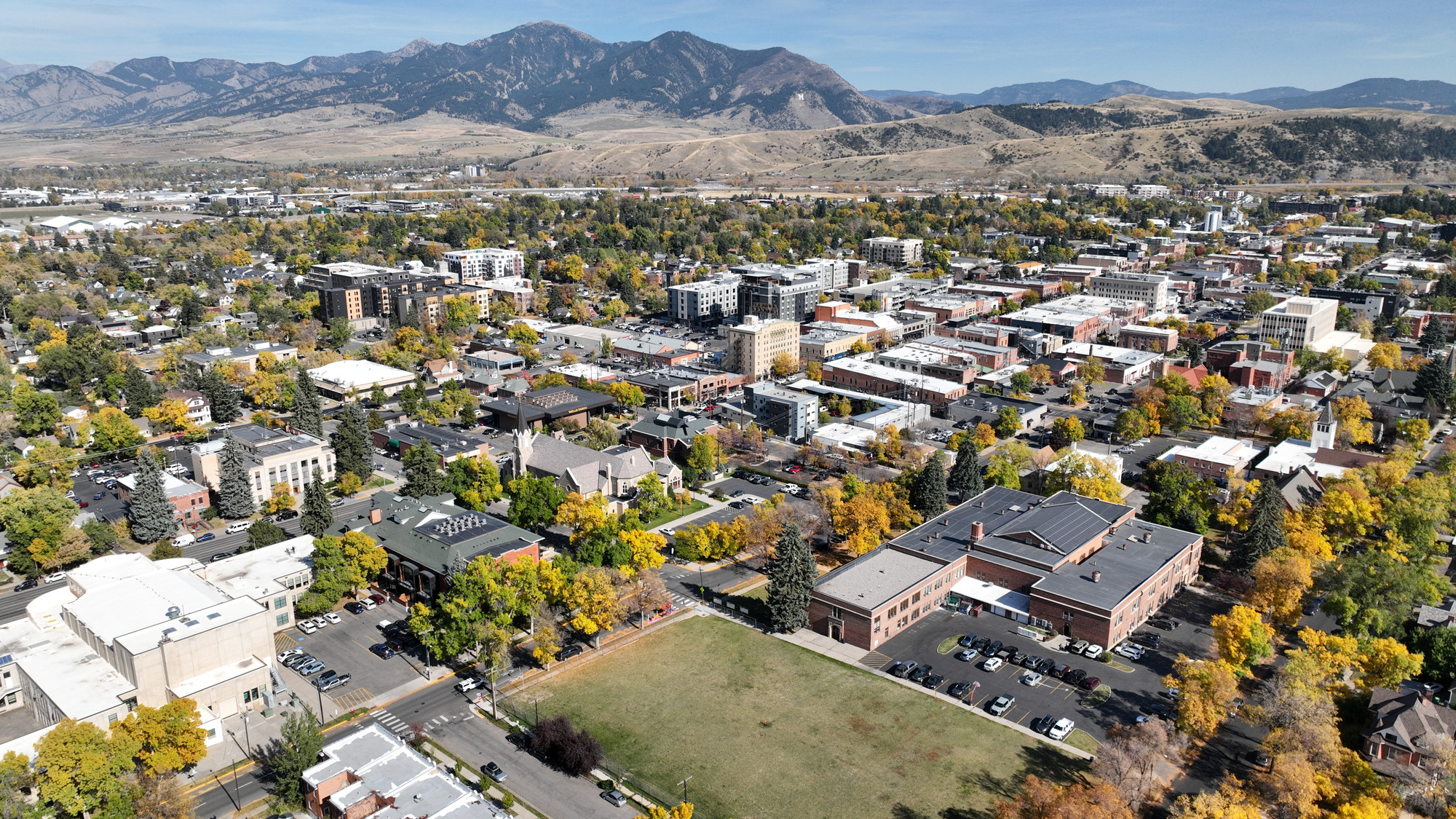
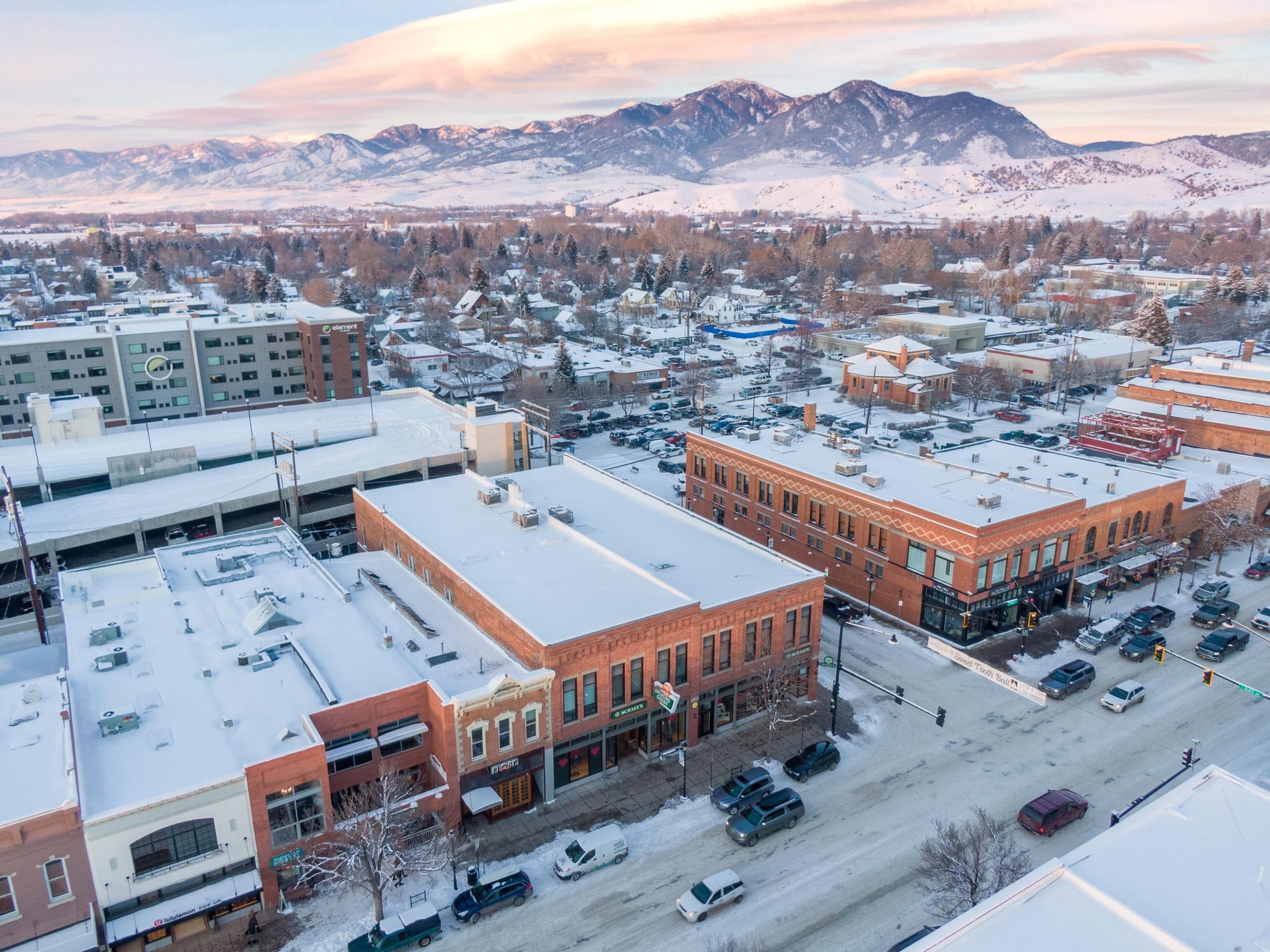
Most of what you’ll see about moving to Bozeman is the good part, and there’s a lot of it: mountains 15 minutes from downtown, Bridger Bowl about 20 minutes up the road, and rivers people fly across the country just to fish. I love all of that. But the people I’ve watched struggle after moving here usually knew every bit of it going in, and what caught them off guard was the part of living here that never makes it into a moving-to-Montana video.
That’s the dark side of moving to Bozeman, and I’d break it into five things: the wait for almost everything, a cost of living that goes well past the house, winter roads, a drinking culture with real consequences on the highway, and how long it can take to find your people. Roughly as many people leave Montana each year as move in, and a few years after I got here I came really close to being one of them. I’ll get to what kept me here near the end, because I see the same thing in almost everybody who stays.
Rather listen than read? The full version is on camera: Moving to Bozeman Is NOT for Everyone: 5 Things Nobody WARNS You About.
The short version
Bozeman’s biggest everyday surprise is the wait: family practices that aren’t taking new patients, child care waitlists, and electricians, plumbers and roofers booked out well ahead.
The cost of living in Bozeman runs on two budgets, one for your home and one for the skiing, fishing and floating you’re moving here to do, and most people only plan for the first.
Winter driving in the Gallatin Valley asks more than most people expect, with studded tires legal from October 1 through May 31 and two-lane roads like Highway 191 through Gallatin Canyon.
Every one of these five can be planned for before you move, and finding your people in the first year is the one that decides whether Bozeman sticks.
What is the dark side of moving to Bozeman?
The dark side of moving to Bozeman is mostly the everyday stuff a visit doesn’t show you. Doctors, child care and good tradespeople all come with a wait, living here costs a lot more than the mortgage once you add the recreation you came for, winter roads stay demanding for most of the year, Montana’s drinking culture shows up on the highway, and building a social life can take a year or more. All five can be planned for before you load the truck.
Waiting months for a doctor, child care or a contractor
For a lot of people, the first time they run into the harder side of Bozeman is a lot more ordinary than they’d expect, and it’s usually when they try to get in with a doctor. You call a few family practices when you first get here, and it’s pretty common to hear that they aren’t taking new patients or that the first opening is a few months away.
Child care can be hard to find too. A state labor report a few years back found Gallatin County was meeting about half of the demand for licensed child care [verify: Montana Department of Labor and Industry child care report], and I know people who put their name on a list long before they ever needed a spot. And if you’ve ever renovated a house somewhere else, you’ll notice it with the trades here. Montana’s own labor department says the state isn’t keeping up with the demand for construction workers in any region [verify: Montana Department of Labor and Industry], so a good electrician, plumber or roofer is usually booked out, and getting onto their schedule takes a lot more than a phone call.
Why everything in the Gallatin Valley comes with a wait
For the most part, it comes back to housing. The nurses, teachers, electricians and coffee shop staff who keep this valley running have a hard time affording a place in the same valley they work in. A few years ago the hospital started planning apartments out by the airport just for its own staff because, in the hospital’s words, a number of its employees couldn’t afford to live in the Gallatin Valley [verify: Bozeman Health workforce housing announcement and quote]. When the people who do the work can’t live close to it, you feel that every time you’re waiting on somebody to come look at your furnace.
So what do you actually do about it? Mostly, you do things earlier than you would anywhere else. Line up a doctor before you close on your house. If you’ll need child care, get on a list the minute you know you’ll need a spot. And ask whoever is helping you buy your home for the names of tradespeople they trust, because the good ones fill their calendars with referrals. None of that costs you anything except starting a few months sooner than you think you need to.
The cost of living in Bozeman runs on two budgets
The first budget is your home and everything it takes to keep it running. If you’re picturing Montana as a cheap place to live, that mostly isn’t true in this valley. Heating season can run from October into May, so you’re paying to heat your home for most of the year. A lot of what’s on the grocery store shelves came a long way on a truck, and you pay for that at the register. Montana has no sales tax, which helps, but there is a state income tax, with a top rate of 5.65% in 2026 that’s scheduled to drop to 5.4% in 2027. And if the place you buy has a long driveway, somebody is clearing that snow every time it falls, either you or somebody you’re paying.
What skiing, fishing and floating really cost
The second budget is the one almost nobody plans for, which is the cost of actually doing the things you’re moving here to do. An adult season pass at Bridger Bowl runs somewhere around $1,000 depending on when you buy it [verify: current Bridger Bowl adult season pass price], and Big Sky costs a lot more than that. That’s before the skis and boots, the waders and rods, maybe a raft or a drift boat, a truck that can pull it, and somewhere to store all of it through the winter. None of that is required, obviously. But if you move here for the mountains and the rivers and then can’t afford to enjoy them, you’re paying Bozeman prices to look at the mountains out your window.
Moving to Bozeman from a higher-cost city
Is all of that enough to put Bozeman out of reach? For a lot of people, it isn’t. If you’re coming from Seattle or the Bay Area, even with both budgets added together, it often still works out to less than what you’re leaving behind, and that’s exactly how it was for me when I moved here in 2016. Where it gets hard is when the paycheck has to come from here, which is the same housing gap from the other side.
So here’s what I’d do before you make the move. Write down your household budget, then write a second one for the life you actually want here, with the passes, the gear and the weekends in it, and add those two together. When the total still works, you’re in a really great spot. If the only way it works is skipping the second budget, I’d take a hard look at that before you list your house back home. For the full breakdown, read what it really costs to live in Bozeman and our Bozeman cost of living guide.
Winter roads, studded tires and Gallatin Canyon
That truck pulling the drift boat is going to spend a lot of time on some pretty demanding roads. Montana allows studded tires from October 1 through May 31, which is eight months of the year, and there’s a reason for that. Snow in May isn’t unusual here, and in some years it runs into June. If you’re commuting to Big Sky, that’s Highway 191 through Gallatin Canyon, a two-lane road squeezed between the river and the rock for most of the way, and when there’s a wreck the whole road can shut down while you just sit there.
Then there’s the wildlife. State Farm’s latest numbers put Montana second in the country for the odds of hitting an animal, at roughly 1 in 54, behind only West Virginia [verify: State Farm’s 2026 figure; its 2025 report had Montana at 1 in 53]. That’s mostly deer, though elk and moose happen too, and at dusk on a two-lane road it’s something you’re scanning for the entire drive.
So what can you do about the roads? Buy real winter tires, meaning a dedicated set, because all-wheel drive helps you get going but does a lot less for you when you’re trying to stop on ice. Once the snow starts, throw a shovel and a bag with a warm layer, some water and a phone charger in the back of your car, and slow down at dawn and dusk. When you’re looking at houses, drive the commute you’d actually be making and picture it in January in the dark. Better yet, come out in the middle of winter, rent a car and drive the canyon on a snowy morning so you know exactly what you’re signing up for.
The drinking culture in Montana
Drinking is part of the social life in Montana in almost every way. Get-togethers tend to happen at a brewery or a bar, whether that’s after work, after a ski day or at the end of a float on the river. Montana ranks third in the country for breweries per person, Gallatin County alone has more than a dozen, and the state sits near the top for how much beer it drinks [verify: Brewers Association per-capita figures]. The CDC’s numbers put excessive drinking at about 22% of adults in Montana against about 17% nationally [verify: CDC figures], and Montana didn’t have a statewide open container law until 2005, which tells you how long a beer in the truck on the way home was just part of life.
That’s where the hardest number in this post comes from. In 2024, Forbes Advisor ranked Montana the worst state in the country for drunk driving, including drunk driving deaths per person, and the state’s own figures show about a third of traffic deaths here involve a driver who had been drinking [verify: Montana Department of Transportation crash data]. Part of the reason is the law, since in Montana a DUI doesn’t become a felony until the fourth one. Distance plays into it too. Outside of town there’s no Uber waiting at 11 at night, and the drive home might be 20 miles of two-lane highway.
Does that mean you’ll be on the outside here if you don’t drink? I don’t think so. Plenty of the social life happens on a trail or up at the hill, but I’d still go in knowing a lot of it starts at a brewery. If you’re buying 15 or 20 minutes or farther outside of town, figure out how you’ll get home from downtown late on a weekend before you buy, because a ride out there that late can be very hard to find. And on a Friday or Saturday night, especially once you’re out of town, I’d drive like the person coming the other way might have had a few too many.
Why making friends in Bozeman takes time
The number of people leaving Montana is bigger than most expect. In 2024, about 36,000 people moved to Montana from another state and about 35,000 moved away, according to the Census Bureau’s state-to-state migration estimates, so the traffic goes both directions and almost nobody talks about the second half. [Chase to confirm before publishing: about a third of the listings I take every year are owners leaving the state, and that share has held steady the whole time I’ve been in this business.] I went through more of that in why people are leaving Montana.
Sometimes the person leaving fell for Montana in July, made it through two winters and decided that was enough. But the one I see more than anything is the person who never really found their people. Bozeman can be a hard place to make friends at first, and that surprises people, because it’s a genuinely friendly town.
So what makes it hard? If you work remotely, there’s no office to meet anybody through. The social life typically runs on the outdoors, so if you don’t ski or climb or fish, it can feel like everybody’s already busy. Ski season and the summer rush put a lot of people on completely different schedules, and winter keeps everybody inside for a big part of the year, so if you get here in November it can be spring before you really meet anyone.
The year I almost left Bozeman
I know that feeling pretty well. In late 2019, a few years after I moved here, I seriously thought about leaving. Denver, Boise and Calgary were all at the top of my list, and I spent more than a month on the road going through Seattle, Portland, Missoula, Boulder and Fort Collins to see if any of them actually fit me better. Then I came back and decided to stay for good.
What kept me here was the people. Most of the folks I’d gotten to know had moved here from somewhere else too, the same as me, and my work turned into a big part of my social life. Ten years in, I still run into people from earlier parts of my life who ended up here as well, and on a normal drive or a hike I still catch myself looking at the mountains and the valley and being in awe of it. That’s what I see in almost everybody who stays. Somewhere in their first year or two, they built a real life here on purpose, with people in it and a normal week full of the things they moved here to do.
If you move here, I’d go find your people early. Sign up for a ski lesson program on the hill, join a group run, volunteer for a trail day or get into a pickleball league, whatever it is you actually like doing, and say yes to the neighbor who invites you over, even in the middle of February. A long winter is a lot easier to get through when you have somewhere to be on a Thursday night.
Is moving to Bozeman right for you?
For some people it isn’t, and it’s worth knowing that before you make the move. But almost everything here is something you can prepare for. You can line up the doctor and the child care early, budget for the life you came for along with the house, take the roads seriously, sort out how you’re getting home on a Saturday night, and go find your people in your first year. The people who do that are usually the ones I’m still running into around town five years later.
For more of the other side, read reasons you shouldn’t move to Bozeman and 5 things to know before moving to Montana, which cover smoke season, distance and the building season. When you’re ready to plan the move itself, start with our guide to relocating to Bozeman. A move planned around both your money and the life you want here is what we built the Montana Move Method for.
Prefer to watch?
Here’s the full video, including the year I almost left.

If the video doesn’t load, you can watch it here on YouTube.
The dark side of Bozeman: quick answers
What are the downsides of moving to Bozeman?
The biggest downsides of moving to Bozeman are the waits for doctors, child care and contractors, a cost of living that goes well past the house, winter roads that stay demanding from October into May, a drinking culture with real consequences on Montana highways, and how long it can take to build a social life. Each one can be planned for before you move.
How long does it take to see a doctor in Bozeman?
New arrivals in Bozeman often call several family practices before finding one that’s accepting new patients, and the first opening can be a few months out. The practical move is to line up a primary care doctor in Bozeman before you close on your house, so you aren’t searching for one the week you need it.
How much does it really cost to live in Bozeman?
The cost of living in Bozeman comes down to two budgets, your home and the recreation you’re moving here for. Heating season runs from about October into May, an adult Bridger Bowl season pass runs around $1,000 [verify], and Montana has no sales tax but does have a state income tax, with a top rate of 5.65% in 2026.
When can you use studded tires in Montana?
Montana allows studded tires from October 1 through May 31, about eight months of the year. Snow in May isn’t unusual around Bozeman, and anyone commuting to Big Sky on Highway 191 through Gallatin Canyon drives a two-lane road between the river and the rock that can close entirely after a wreck.
Why are drunk driving deaths so high in Montana?
Drunk driving deaths are high in Montana partly because of the law, since a DUI doesn’t become a felony until the fourth offense, and partly because of distance, with long two-lane drives home and very few rides available late at night outside of town. Forbes Advisor ranked Montana the worst state for drunk driving in 2024.
Do a lot of people move away from Montana?
About as many people leave Montana each year as move in. In 2024, roughly 36,000 people moved to Montana from another state and about 35,000 moved away, according to Census Bureau estimates. Long winters and the time it takes to build a social life are two of the most common reasons people leave Bozeman.
Is it hard to make friends in Bozeman?
Making friends in Bozeman can take a year or more, because remote work means no office to meet people through, the social life runs on the outdoors, and long winters keep everyone inside. Joining a group run, a ski lesson program, a trail volunteer day or a rec league in your first few months speeds it up a lot.
Which of these five would be the hard one for you?
Tell me which one worries you most and where you’d be moving from, and we’ll talk through what it looks like for you, from where to buy relative to your commute to how your budget holds up with the second one added. Book a call with me.