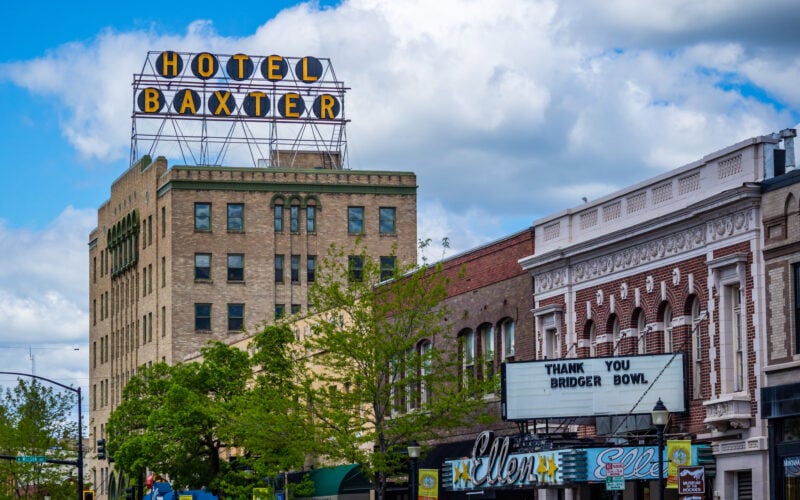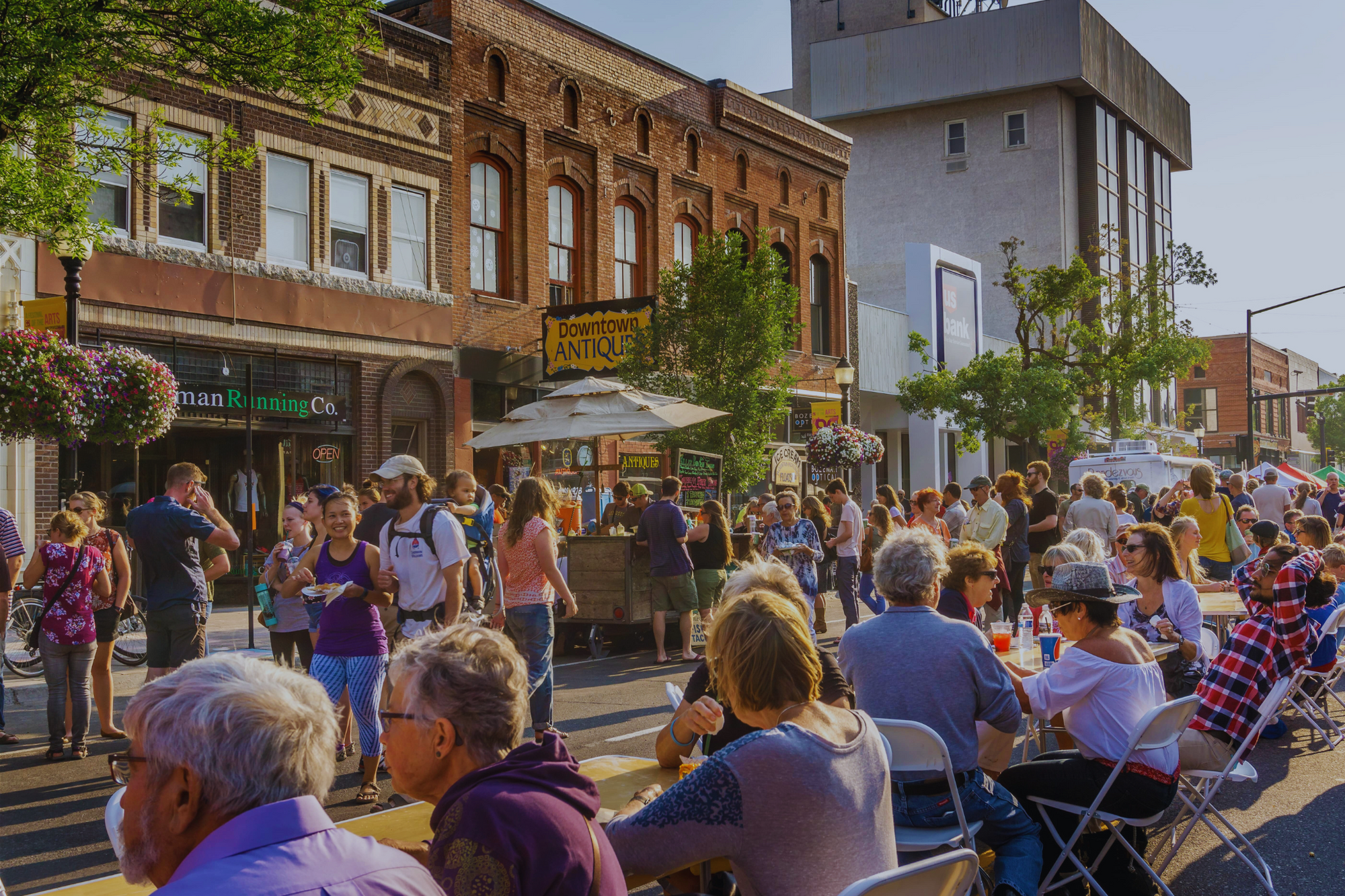

About 35,000 people moved out of Montana in 2024, and a lot of the reasons will probably surprise you. Some of those folks only lasted two winters, and others were born here and spent 50 years in the same town. I’ve even had clients leave because Montana had gotten too busy for them and they wanted somewhere with fewer people.
The people leaving are also headed in two very different directions, and before you buy anything out here, I think it’s worth figuring out which way you’d most likely go if you ever left. Below are the five reasons I hear most from my own sellers, where people are going, and whether Montana is really emptying out.
If you’d rather hear it from me, I go through every reason on camera: Why Everyone Is LEAVING Montana (Where Are They Going?)
The short version
About 34,900 people moved out of Montana in 2024, and Washington, Arizona and Oregon were the top destinations, according to Census Bureau data compiled by USAFacts.
The reasons people give for leaving Montana usually come down to the length of the winter, home prices against Montana wages, distance from specialists and family, how much the bigger towns have grown, or wanting even more space.
Montana is still growing, adding about 7,100 people from July 2024 to July 2025, and all of that growth came from people moving in.
Knowing what would make you leave changes where in Montana you should buy, whether that’s close to a bigger town’s hospital and airport or out in the county.
Why are people moving out of Montana?
People moving out of Montana usually point to the length of the winter or to the cost of a home against Montana wages, which rising property taxes have made harder. Others leave over the distance from specialists, airports and family later in life, or over how much Bozeman, Missoula and Kalispell have grown. A smaller group leaves for somewhere even more rural, where land costs less.
Montana winters, the reason sellers give most
The winter is the reason I hear more than any other when a seller tells me they’re leaving, and it comes up even with sellers who grew up here. For the most part, what gets to them is how long it lasts, a lot more than the cold. Snow can show up in October and still be hanging around in April, and in December the sun is down before 5 p.m. in most of the state, so a lot of Montanans drive to work in the dark and drive home in the dark for a big stretch of the year.
Is that only the people who moved here from somewhere else? I’d say that’s the part people get wrong. I’ve had sellers who were born and raised in Montana, spent 40 or 50 years shoveling the same driveway, and decided one day that they wanted more sunlight and fewer months of snow. Nothing went wrong for them here, and they’d simply had enough of it. A lot of them head south to states like Arizona or Utah, where they can golf in January and hardly ever see snow, and plenty of them keep their Montana house for the summers for a few years before they sell it too.
If you’re thinking about moving to Montana, I’d really encourage you to visit in February before you buy. Plenty of buyers have only seen it on a sunny week in July, and that doesn’t tell you whether you’ll love it here five years from now.
Montana home prices against Montana wages
The second reason comes down to money, and it surprises a lot of people who planned everything else well. In September 2026, the median home in Montana sold for about $518,000, according to Redfin, while the median household income across the state is about $75,300, so a home at the median costs close to seven times what a typical household earns.
What does that look like in real life? It looks like a family that rents for a few years, saves the whole time, and then runs their numbers again only to see the gap between where they are and where they need to be has gotten wider. Most of the buyers I talk to fall into one of two groups. The first has income that comes from somewhere else, like remote work, a business they own, or money they already made and brought with them, and in my experience those households tend to do really well. Then there are the people trying to cover a Montana house on a wage a Montana employer sets, and that’s usually where I see this start to come apart. It’s worth knowing which group you’re in, and saying it out loud, because a lot of households sit somewhere in between for years without ever acknowledging it.
The 2025 Montana property tax change
Property taxes make it harder too. Montana rewrote its property tax rules in 2025, so the lower rate now goes to a home you live in most of the year or rent out long term, and second homes and short-term rentals are left out of it. On top of that, a lot of longtime owners have watched their bills climb right along with their property values.
When the math stops working, a lot of these folks head back toward the bigger cities on the West Coast or the East Coast, wherever they came from, where there are more employers and more jobs in their field. I made a whole video on the tax change, Montana’s New Property Tax PUNISHES Homeowners, if you want the details.

Healthcare, specialists and airports later in life
Reason three is being close to healthcare, specialists, airports and family, and it usually comes up later in life. Montana is a huge state with a small population, so outside the bigger towns, seeing a specialist can mean a drive of a couple of hours each way, and something more complex might mean getting on a plane.
When does that start to matter? For a lot of my clients, it’s in their 60s or 70s, sometimes a little earlier, when they’re seeing more doctors or when the grandkids live in Seattle or Phoenix and flying in twice a year stops being enough. Bozeman has the busiest airport in the state, but a lot of Montana is a long drive from an airport with many nonstop options, and that adds up fast when you’re trying to get to your son’s house for Thanksgiving or to a doctor two states away. Phoenix, Seattle and Portland give you more hospitals, more specialists and a lot more direct flights, and for many of these folks it’s also where their kids live, so that’s where this group tends to end up.
I don’t think any of that is a reason to skip Montana, but a lot can change between 40 and 65, so I’d think about where you’ll be in 10 or 15 years. There’s a lot more on healthcare and distance from care in the honest pros and cons of retiring in Bozeman.
How Bozeman, Missoula and Kalispell have changed
The fourth reason goes the other way, because the people in this group don’t want more city at all, and most of them are coming out of the three towns everyone pictures when they think about moving to Montana. Kalispell has grown about 26% since 2020, and it wasn’t a very big town to begin with. From 2024 to 2025, Missoula added about 718 people and Bozeman added about 689, according to Census Bureau estimates reported by Montana Free Press.
So how does that feel if you’ve lived here a while? The trailhead that used to be empty on a Tuesday morning now has a full parking lot, the drive across town takes longer, and the restaurant where you could always get a table now wants a reservation. That feeling is completely legitimate, and I’ll be honest with you, I sometimes feel it myself.
Statewide growth last year was well under half of what it was at the 2021 peak, but someone who moved here for a small mountain town in 2012 is living somewhere very different today. I think it’s more mixed than people make it sound, though, because a lot of what people like about these towns now, from the new restaurants to the extra flights and the better healthcare, came along with that same growth.
Leaving Montana for somewhere even more rural
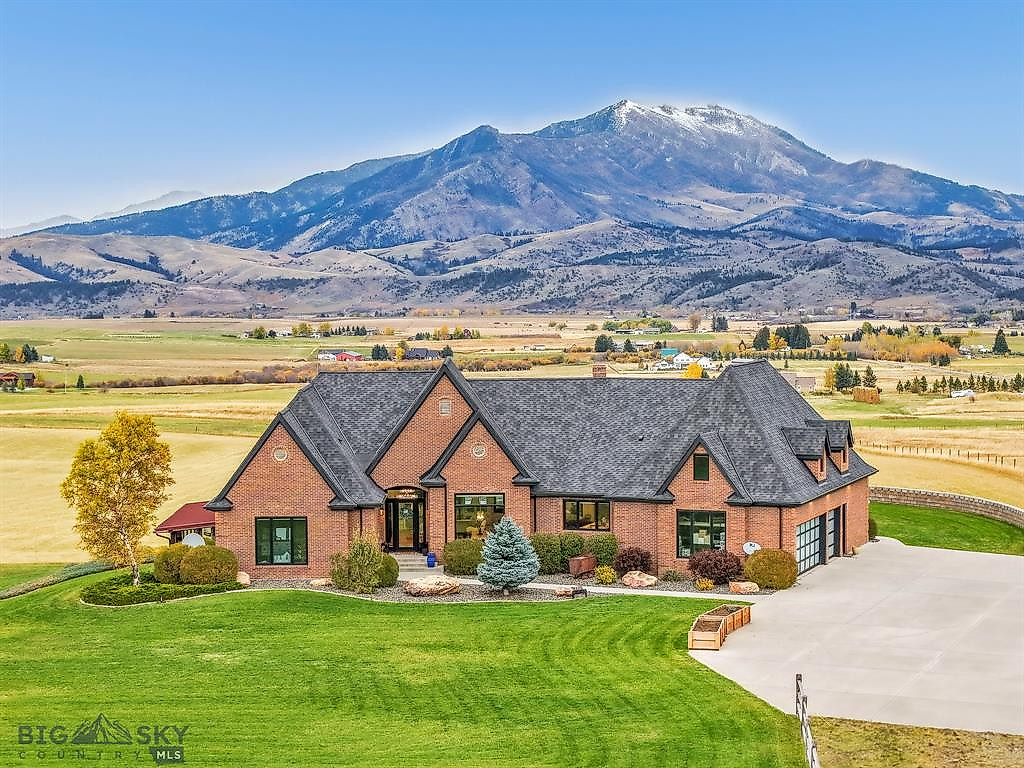
The last reason surprises people the most, because some of the folks leaving Montana are leaving for somewhere even more rural. We recently had clients leave the Bozeman area for Alaska because they wanted to be around fewer people, and others have sold and bought somewhere like Missouri, where they can get a lot more land for the same money than they’d get anywhere near one of our bigger towns.
Why would someone leave Montana to find open space? From what I’ve seen, it’s mostly the price of land within an easy drive of the places with the jobs and the hospital. Wide open land still exists all over the state, and it just isn’t cheap anymore, or it isn’t within reach of the towns most people need to be near.
You can see the same thing happening inside Montana. Close to half of the people the state added last year ended up outside the limits of any city or town, out in the county where the lots are bigger and there are a lot fewer people living right on top of you. A lot of the people moving away from the bigger towns stay in Montana and move 20 minutes farther out, and the ones who leave the state are usually looking for the same thing at a price they can’t find here anymore.
Where people go when they leave Montana
When you put all five reasons together, the people leaving split into two directions, and a lot of them are moving toward more people. In 2024, more Montanans moved to Washington than anywhere else, about 6,300, followed by Arizona at about 4,300 and Oregon at about 2,800, according to Census Bureau data compiled by USAFacts.
What do those three states have in common? Each one has a big city close by, which means more jobs, more specialists, bigger airports, and in Arizona’s case a lot more sun. Washington is also one of the biggest sources of people moving into Montana, so part of this is simply people going back to where they came from after a few years here.
The people heading the other way, toward more space, don’t show up much in those numbers, because they’re spread out across a lot of different states. Over the last few years, though, I’ve had more and more clients head to Alaska, Missouri, some of the southern states, and anywhere else they can get more land and fewer neighbors for the money.
Is Montana emptying out?
Montana isn’t emptying out, and it’s not especially close. The state added about 7,100 people from July 2024 to July 2025, roughly 0.6%, which is a little faster than the country grew over the same stretch. Deaths in Montana outnumbered births, so all of that growth came from people moving in.
That’s churn, and I think it’s what a place like this looks like from the inside. Some people arrive, it fits who they are, and they stay for the rest of their lives. Others give it a few winters, run their real numbers, and decide their family does better somewhere warmer, busier or emptier, and I don’t think there’s anything wrong with that.
Where to buy before you move to Montana
I’d start by being honest with yourself about what would make you leave, because that changes where in Montana you should buy. If it’s the winter, your job, or being far from doctors and family, I’d look in or right next to one of the bigger towns, close to the hospital and the airport, and I’d think hard about whether your income depends on a local payroll. Now, if space is the reason you’re coming, I’d look past the busiest parts of town from the very beginning, out to the smaller towns and the county, so you aren’t one of the folks selling in five years to go find that space somewhere else.
And if you honestly don’t know yet, I’d visit in the winter, or even think about renting in the town you’re looking at before you buy, because living through one winter here will tell you most of what you need to know.
Selling a home in Montana right now
If you’re thinking about selling, all of this works in your favor, because for almost every person leaving Montana, there’s someone else showing up who wants to buy what you’re selling. In 2024 the most people moving in came from California, Washington and Colorado, and in Montana real estate right now, your buyer is very often relocating from one of those states.
Choosing where in Montana to put down roots
Getting to Montana is honestly the easy part, and what it costs you over the next 10 years comes down to the choices you make in your first six months, starting with where in Montana you put down roots. That’s the plan we build together in the Montana Move Method, which is built to grow your money and the quality of your life at the same time, so where you land works for both of those long after your first summer here.
Prefer to watch?
All five reasons, and where people are going, are in the video below.

If the player doesn’t load, you can watch it on YouTube. And if you’re looking at the Bozeman area specifically, Why Everyone Is LEAVING Bozeman (2 years is enough) covers how many of my own sellers leave the state and how many just move to another part of the valley.
Leaving Montana: quick answers
Why are people leaving Montana?
People leaving Montana usually point to the length of the winter or to the cost of a home against Montana wages, which rising property taxes have made harder. Others leave over the distance from specialists, airports and family later in life, how much Bozeman, Missoula and Kalispell have grown, or a move somewhere more rural where land costs less.
Where do people move when they leave Montana?
Most people leaving Montana head toward a bigger metro. In 2024, Washington drew the largest share, about 6,300 Montanans, followed by Arizona at about 4,300 and Oregon at about 2,800, per Census Bureau data. A second group heads the other way, toward Alaska, Missouri and anywhere else with more land for the money.
Is Montana’s population still growing?
Montana’s population is still growing. The state added about 7,100 people in the year ending July 2025, roughly 0.6%, a little faster than the U.S. as a whole. Deaths outnumbered births, so all of that growth came from people moving in, and close to half of it ended up outside any city or town.
How much does a home cost in Montana compared to income?
A home in Montana costs close to seven times what a typical household earns. The median home sold for about $518,000 in September 2026, according to Redfin, while the median household income in Montana is about $75,300. That gap is the main reason people working Montana jobs have a hard time buying.
Where are people moving to Montana from?
People moving to Montana in 2024 came most often from California, about 4,900, followed by Washington at about 3,600 and Colorado at about 3,000, according to Census Bureau data compiled by USAFacts. Washington shows up on both lists, so part of Montana’s churn is people returning to where they came from.
How did Montana’s 2025 property tax change affect homeowners?
Montana’s 2025 property tax change gives the lower rate to a home you live in most of the year or rent out long term, while second homes and short-term rentals pay more. Many longtime Montana owners have also seen their bills rise along with their property values, which adds to the cost of staying.
When does winter start and end in Montana?
Winter in Montana can bring snow as early as October and as late as April in many towns, and in December the sun sets before 5 p.m. across most of the state. For many Montana sellers, the length of the season matters more than the cold, which is why visiting in February before buying is worth the trip.
Which Montana cities are growing the fastest?
Kalispell has grown about 26% since 2020, the most of any major Montana city. From 2024 to 2025, Missoula added about 718 residents and Bozeman added about 689, per Census Bureau estimates. Statewide growth in 2025 was well under half of the 2021 peak, though the bigger towns still feel much busier.
Weighing a move to Montana?
If you’re thinking about moving here, or you’re already here and wondering whether to stay, I’d like to hear what’s behind it. Book a call with me and we’ll talk about what this looks like for you, including which part of the state fits the way you want to live. If you’d rather start on your own, my free relocation guide walks you through your own situation.