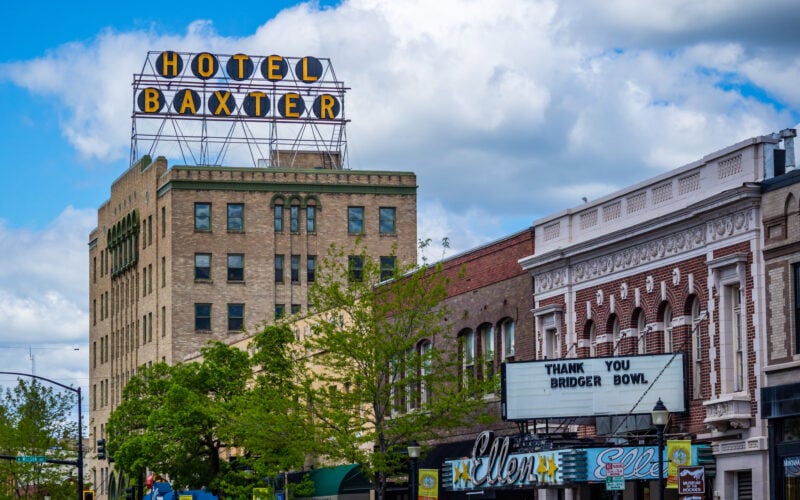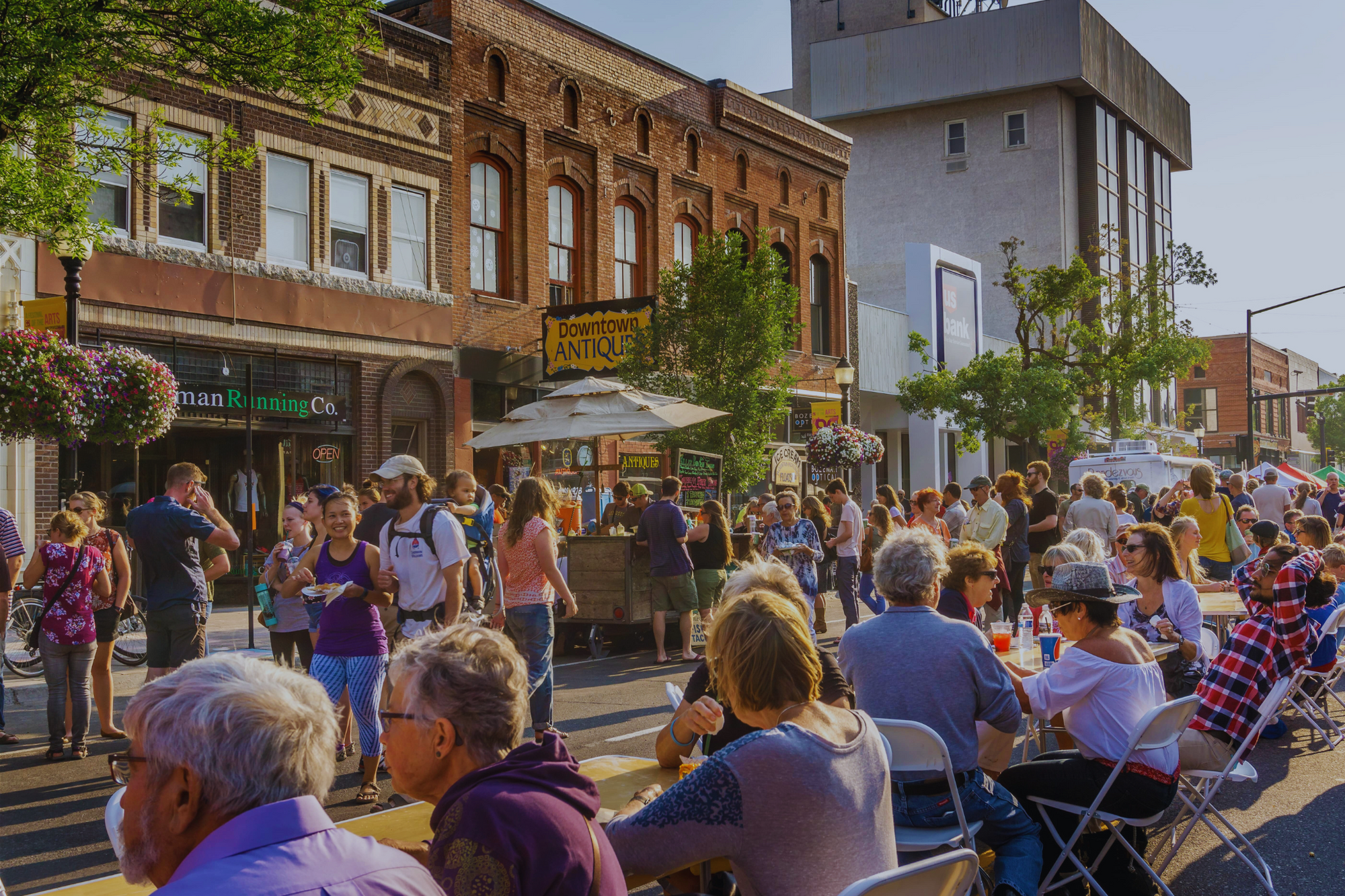
Bozeman has 10 historic districts on the National Register, and most of the older neighborhoods wrapped around Main Street sit inside a city overlay with its own rules for what you can change on the outside of your house. Those rules end up being a big part of why I know exactly which part of downtown Bozeman I’d buy in myself.
Living in downtown Bozeman can mean four pretty different things depending on which side of Main Street you land on. I’ll walk you through the core in the order I’d show it to a client, starting on Main Street, heading north into Midtown and the Northeast neighborhood, and finishing in the historic districts south of Main, along with the trade that comes with each one.
Rather see the streets for yourself? I walk all four parts of the core on camera: Which Part of Downtown Bozeman SHOULD You Live In?
The short version
Downtown Bozeman is made up of four distinct places to live, which are Main Street, Midtown along North 7th Avenue, the Northeast neighborhood, and the historic districts south of Main Street.
Living on Main Street mostly means a condo, loft, or townhome, so parking, HOA dues, and which lenders will finance the building matter as much as the unit itself.
Older homes in Bozeman’s downtown core sit inside the Neighborhood Conservation Overlay District, where exterior changes, demolition, and new construction need a Certificate of Appropriateness from the city.
The south side of downtown Bozeman, in or next to a historic district, carries the least redevelopment risk, and it’s where I’d focus if I were buying downtown myself.
What is it like to live in downtown Bozeman?
Living in downtown Bozeman means walking to Main Street’s coffee shops, restaurants, and trails, in exchange for less parking, older houses, and more city review on exterior changes. The core breaks into four areas with very different trade-offs, from lock-and-leave condos on Main Street to century-old homes in the historic districts south of Main. Which one fits depends on how you want to live and what you want the house to do for you over time.
Living on Main Street in a condo, loft, or townhome
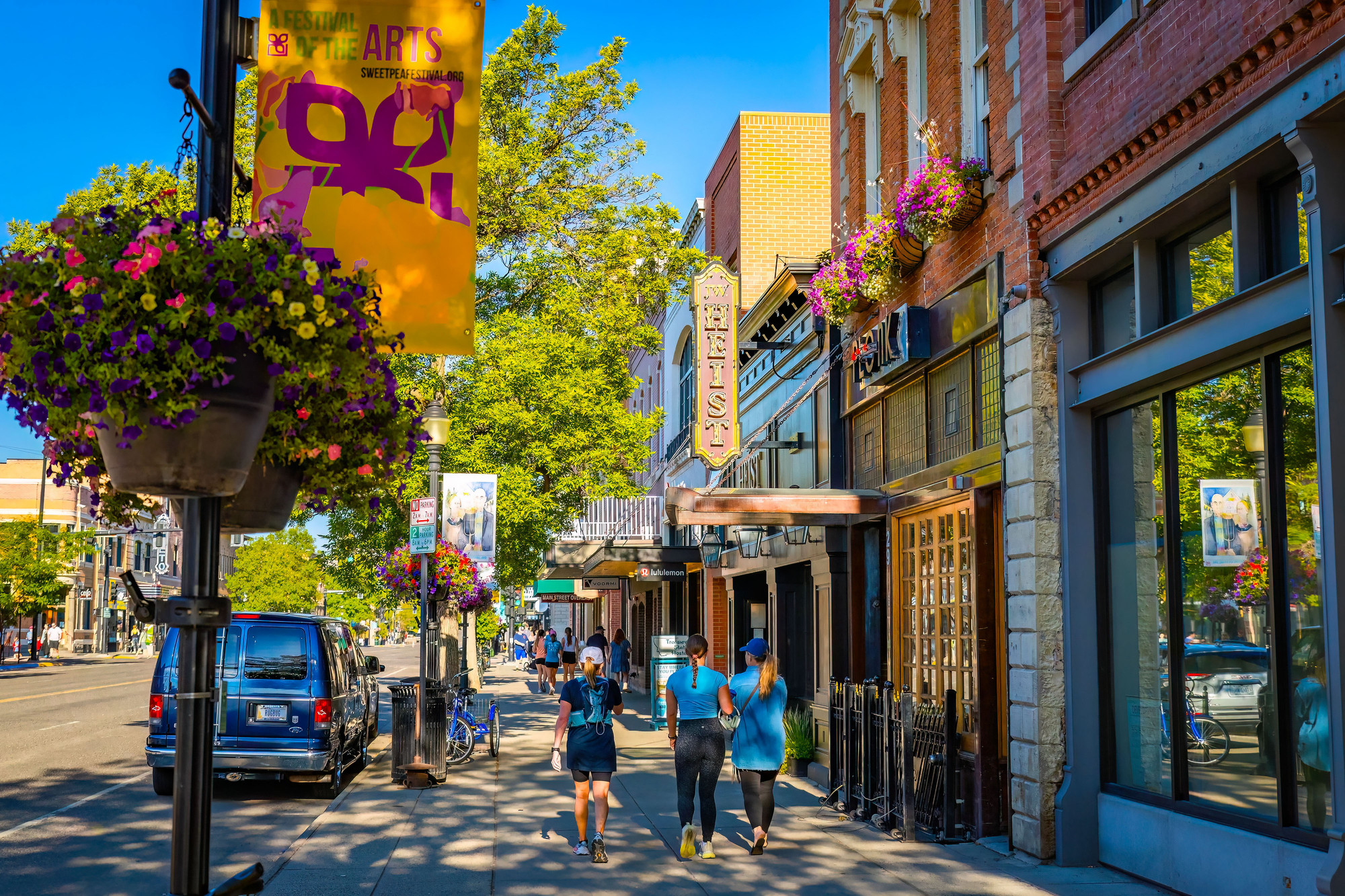
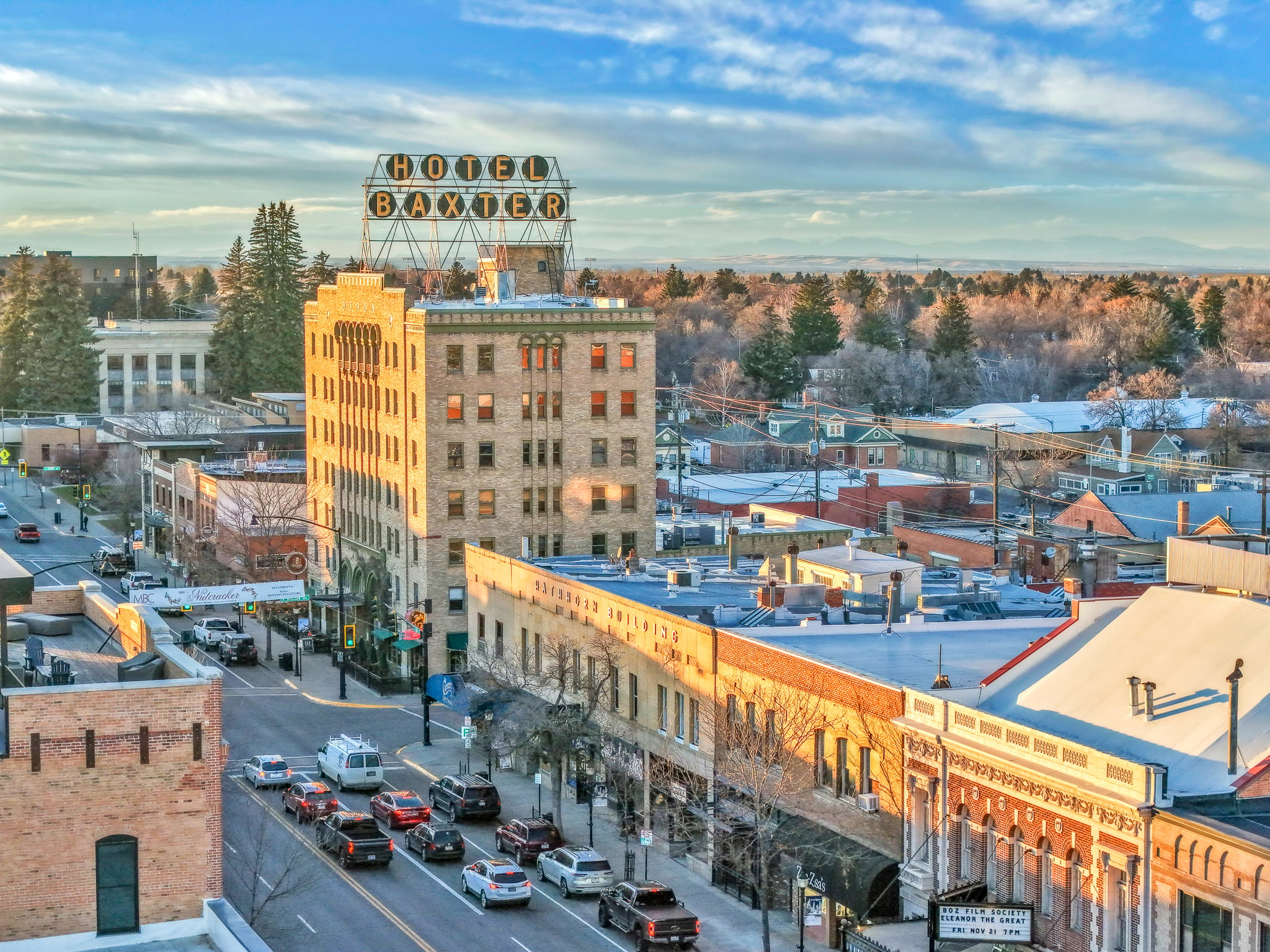
Main Street is the version of Bozeman most people picture before they ever get here. It runs about ten blocks, with coffee in the morning, a hardware store that’s been there for decades, restaurants that stay full on a Tuesday in February, and the Bridgers sitting at the end of the street the whole time.
So what does living right there look like? Mostly it’s condos, lofts, and townhomes, a few above the storefronts and more in the newer buildings going up around the core, which makes it about the most lock-and-leave way to own anything in Bozeman. In my experience it draws a lot of people who are done mowing a lawn and plenty of second-home buyers who’d like to lock the door in October and let somebody else deal with the snow. You can browse downtown Bozeman homes for sale to get a feel for what’s on the market.
One of my very first clients came here wanting an older downtown home to renovate, and we’re honestly still looking for that house. A couple of years in, they bought a brand new townhome about a five to ten minute walk from Main Street as a launching pad, and it’s turned into a great long-term investment. We’ve talked about selling it more than once, and my advice has been to hold on to it, because with that location and how nicely it’s finished and furnished, it would make a strong mid-term furnished rental.
What to check before buying a downtown condo
Parking comes first. I’d know exactly where your car is going to live before you write an offer, because a deeded space downtown is worth real money and not every unit comes with one.
HOA dues in a building with an elevator and shared everything also run higher than most people expect. The HOA budget and reserve study can be hard to get your hands on, but you can request them during your inspection period, and if you’re financing, your lender will review them as part of the loan.
Financing gets trickier in mixed-use buildings that have commercial space. Plenty of local banks can do these loans, but you’ll want to know which buildings your lender will finance, so I’d have that lender lined up before you start looking at all. For anybody whose whole reason for moving here is walking out the front door into everything Bozeman has to offer, no address in this valley gets you closer.
Midtown and the North 7th Avenue corridor
North and west of Main Street is Midtown, the North 7th Avenue corridor. It’s the part of downtown changing fastest right now, with apartments, restaurants, breweries, and a walkable density that wasn’t there a decade ago, and the whole area is still filling in.
Who’s buying up here? A lot of buyers who want to be close to downtown at a price that usually comes in under the historic streets south of Main. The trade is that you’re buying into something still in transition. You might have a construction crew on the next lot for a while, and what’s across the street five years from now may look nothing like what’s there today. If you’d like to get in close to Main while the neighborhood around you is still being built out, this is the part of downtown where you can do that.
The Northeast neighborhood, where Bozeman’s working town grew up
Head east from Midtown across Rouse Avenue, up toward the railroad tracks, and you’re in the Northeast neighborhood. Here’s what surprises people about it. Some of Bozeman’s older homes sit up here, in a part of downtown most buyers never picture themselves living in. This is where the people who worked at the railroad, the Lehrkind brewery, and the pea cannery lived, and the Northern Pacific/Story Mill Historic District up here covers a stretch of history running from 1882 to 1945.
What’s up here today is a big part of the draw. Story Mill Park covers about 60 acres with trails, a playground, a climbing boulder, an off-leash dog area, and river access where Bozeman Creek meets the East Gallatin River, and it opened in 2019. The Cannery District, Treeline Coffee, Wild Crumb, and Mountains Walking are all a short walk or bike ride from Main Street, and the Main Street to the Mountains trail system runs through this part of town too.
People pick the Northeast because they can walk into downtown and have a 60-acre park out the door, with prices that usually come in under the historic streets south of Main, though that gap has been tightening as the neighborhood fills in. It’s still a mixed neighborhood, with older industrial buildings, a rail line nearby, and a hundred-year-old cottage sitting next to brand new construction. That mix is a big part of the character up here, and I’d walk the block at a couple of different times of day before you decide whether it fits you.
The historic districts south of Main Street
Cross back over Main Street and head south past Babcock, and you’re in the historic districts most people mean when they tell me they want an old house in Bozeman. These streets were built one house at a time over roughly 140 years, and nobody ever drew up a subdivision for this part of town.
The Bon Ton Historic District
The Bon Ton is the historic district people name most. It covers about 80 acres, roughly from Olive Street down to Cleveland Street along South Willson, South Grand, and South Third, and its homes went up between the 1880s and the mid-1930s. You’ll see bigger houses on bigger lots than the blocks on either side, wraparound porches, and concrete lamp posts the city put up in 1935.
Cooper Park Historic District
Cooper Park sits just to the west, between Main Street and Montana State University, with about 250 homes. Most are bungalows and cottages, along with Queen Anne and Colonial Revival houses, on tree-lined streets with even spacing from house to house.
Lindley Place
Lindley Place, over by Bogert Park, is small. It sits right along Bozeman Creek, and the sidewalks at the corner are still stamped “Lindley Place 1906.”
What you’re buying on the south side
What are you paying for when you buy down here? You’re buying a street that’s already finished, with trees that took 80 years to reach that size, and a location that tends to hold up when the rest of the valley slows down. There’s a very fixed amount of land within walking distance of Main Street, and that amount isn’t going to grow anytime soon.
How the Neighborhood Conservation Overlay affects older downtown homes
All of these downtown historic districts sit inside the city’s Neighborhood Conservation Overlay District, or NCOD. It was created in 1991, its boundary is based on Bozeman’s city limits as of 1954, and it covers more than 4,000 properties. The overlay also reaches past the historic districts themselves, so a house that isn’t historic can still need review.
Inside the NCOD, any exterior change to an existing building, along with demolition and new construction, needs a Certificate of Appropriateness from the city, and that approval comes before you can pull a building permit. That review takes real time, and the timeline can stretch out.
Why does that matter to you? The renovation plan a lot of buyers walk in with has to clear this bar first, and sometimes it changes the design you already had in your head.
Those rules are in flux too. The city kicked off an update to the NCOD design guidelines in spring 2026 with a goal of adopting it in December 2026, but after the City Commission’s July 28 meeting it put that work on hold and expects to bring on a new consultant toward the end of 2026. If you’re buying an older home down here to renovate, I’d ask where that rewrite stands before you settle on a plan.
Where I’d buy in downtown Bozeman
If I were buying downtown myself, I’d focus on the south side, in or right next to one of those historic districts and as close to Main as I could get, probably somewhere off Olive Street or further down toward Montana State University. The biggest reason is redevelopment. There’s a lot less of it to worry about on this side of Main than on the north side, and being inside or right up against a historic district limits what it can look like.
The overlay is the big trade, and design review really can be limiting when you want to change your home. What it gives you back is knowing exactly what you’re buying and what your street is going to look like years from now. I’ve said before that if I were starting over, downtown is where I’d put most of my search, and I’d start it on this side of Main Street.
Downtown fits a pretty specific buyer
I recently had a client who started exactly where a lot of buyers start, wanting a historic home within walking distance of Main Street, and we toured a lot of them. As we kept looking, his life was changing, and his priorities in a home changed along with it. He was open to taking on the work these homes need, but he realized he’d rather put that money into more land, and we found him a great home up in Bozeman Canyon that fits exactly how he lives.
What I took from that is that downtown works for a pretty specific buyer. With a single family home built anywhere from the turn of the century through the 1950s, you’re mostly paying for the location, and unless it’s already been updated, you should expect the systems to need steady attention over the years. That location is very hard to beat, though. If you’re still weighing downtown against the rest of the valley, my guide to where to live in Bozeman and the Gallatin Valley shows how it stacks up against everywhere else.
Picking a downtown street for equity and the life you want
Whichever block you land on, a home down here is likely to be the biggest piece of equity you’ll own, and the street you pick decides a lot of how much is waiting for you at the end of your next move. That’s why I’d weigh the day-to-day life you want here right alongside what the house can do for you financially. The Montana Move Method is how I help busy professionals plan for both of those at once, so the part of downtown you choose fits your wealth goals and the way you want to live.
Prefer to watch?
Every stop in this guide is in the video below, streets and all.

If the video doesn’t load, you can watch it here on YouTube.
Living in downtown Bozeman: quick answers
Is downtown Bozeman a good place to live?
Downtown Bozeman is a good place to live for buyers who want to walk to Main Street’s restaurants, coffee shops, and trails and can accept less parking, older homes, and city design review on exterior changes. The core covers four distinct areas, from Main Street condos to the historic districts south of Main Street.
What types of homes are in downtown Bozeman?
Homes in downtown Bozeman range from condos, lofts, and townhomes on and around Main Street to newer construction in Midtown along North 7th Avenue, workers’ cottages in the Northeast neighborhood, and single family homes built from the 1880s through the 1950s in the historic districts south of Main Street.
How many historic districts does Bozeman have?
Bozeman has 10 historic districts listed on the National Register of Historic Places, including the Bon Ton, Cooper Park, Lindley Place, Main Street, and Northern Pacific/Story Mill districts. Nine of them sit inside the city’s Neighborhood Conservation Overlay District, which adds local design review to exterior changes on those properties.
What is the Neighborhood Conservation Overlay District in Bozeman?
The Neighborhood Conservation Overlay District in Bozeman, or NCOD, is a city overlay created in 1991 around the historic core, with a boundary based on the city limits as of 1954. It covers more than 4,000 properties, and exterior changes, demolition, and new construction inside it need a Certificate of Appropriateness.
Do you need permission to renovate an older home in downtown Bozeman?
Renovating the outside of an older home in downtown Bozeman usually needs city approval. Inside the Neighborhood Conservation Overlay District, exterior changes and demolition require a Certificate of Appropriateness before a building permit. As of October 2026, the city’s update to those design guidelines is on hold with no new adoption date.
What is the Northeast neighborhood in Bozeman like?
The Northeast neighborhood in Bozeman is a mixed, historic part of downtown east of Rouse Avenue, with workers’ cottages, older industrial buildings, and new construction side by side. It’s home to the 60-acre Story Mill Park, the Cannery District, and the Main Street to the Mountains trails, and prices usually run below the south side.
What should I know before buying a condo in downtown Bozeman?
Before buying a condo in downtown Bozeman, confirm whether the unit has a deeded parking space, request the HOA budget and reserve study during your inspection period, and check that your lender will finance the building. Mixed-use buildings with commercial space can be harder to finance, and HOA dues often run higher than expected.
Is downtown Bozeman real estate a good investment?
Downtown Bozeman real estate has a built-in advantage, since the amount of land within walking distance of Main Street is fixed and won’t grow. Homes near Main also tend to hold their appeal when the wider Gallatin Valley slows down. Older houses need steady upkeep, so budget for the systems along with the purchase price.
Thinking about a specific downtown street?
If you’ve got your eye on a particular street or house downtown, I’d like to hear about it, along with how you want to live once you’re here. Book a call with me and we’ll talk through what that block or building is likely to involve, from parking and HOA dues to design review, before you write an offer. If you’d rather start on your own, my free relocation guide walks you through the bigger decisions first.